Last updated November 22, 2026
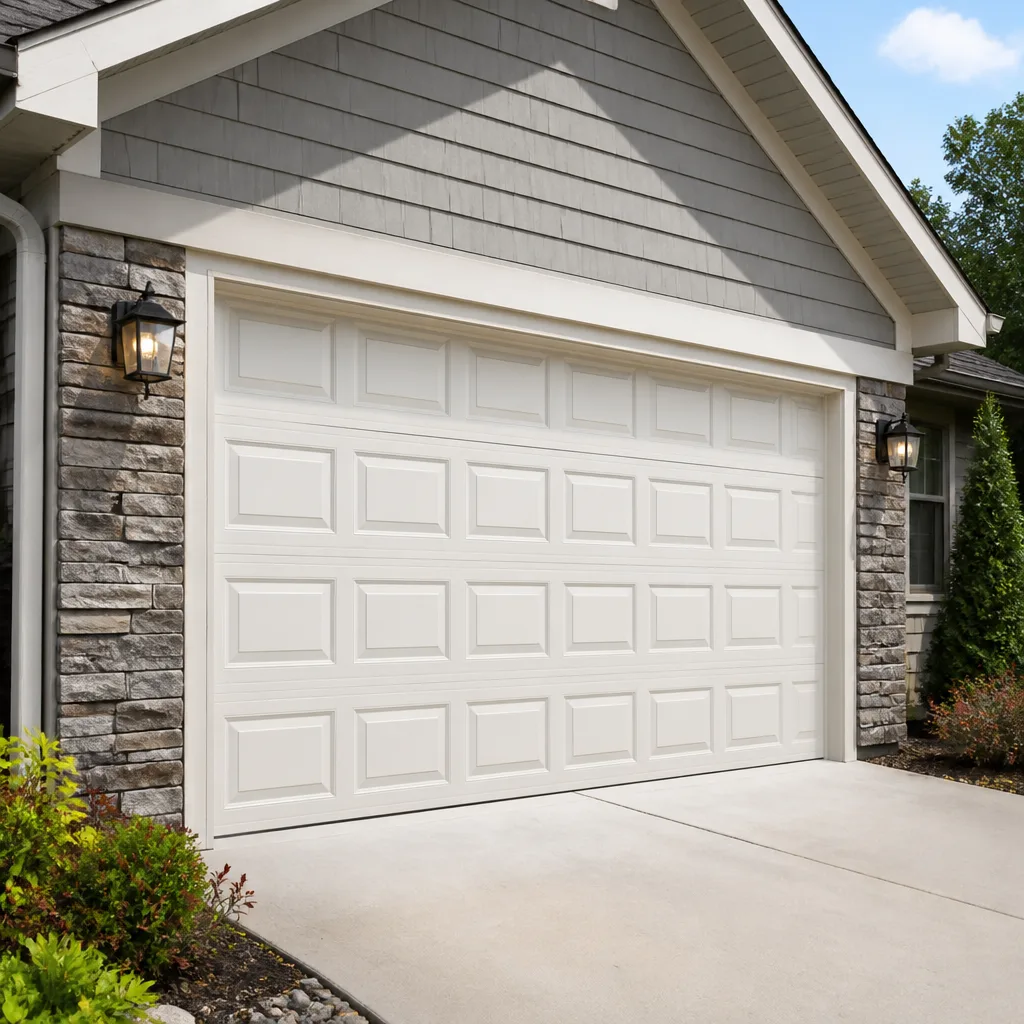 Raised-panel steel
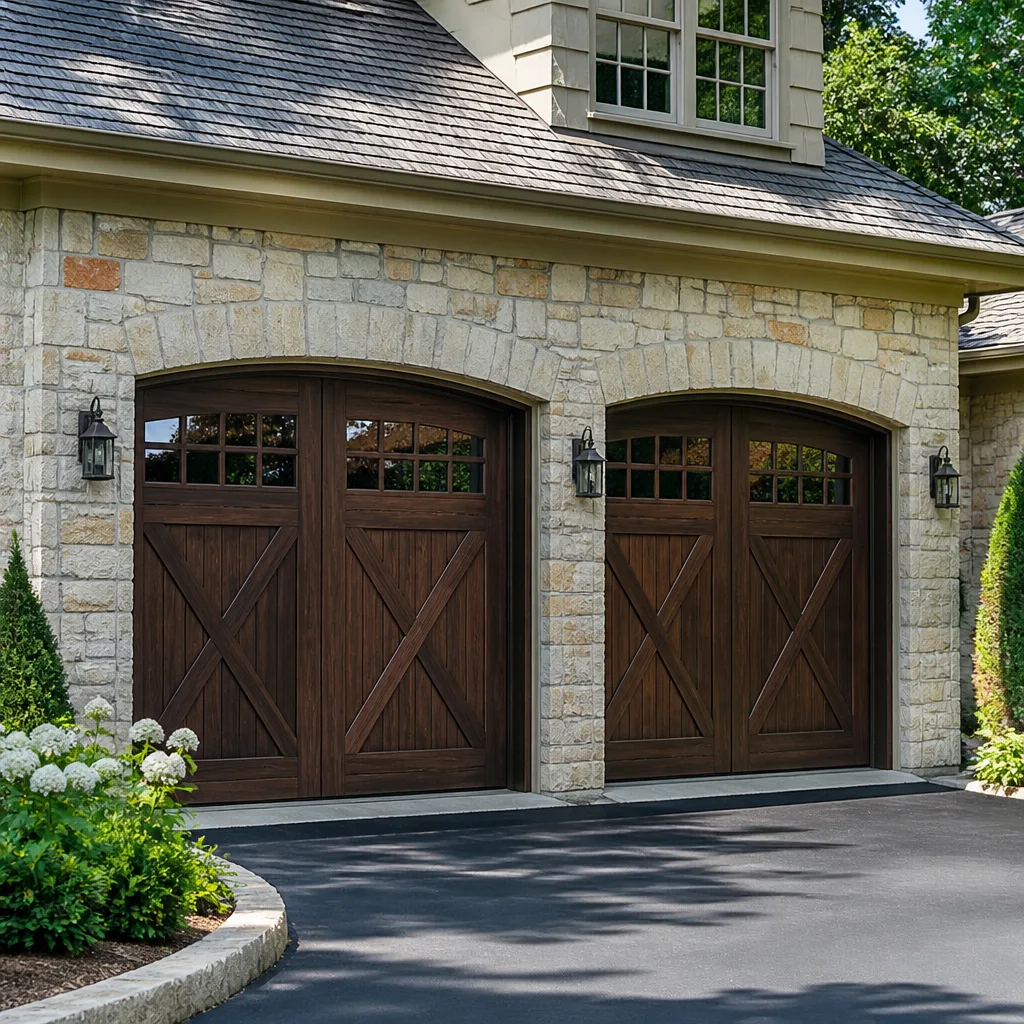 Carriage house
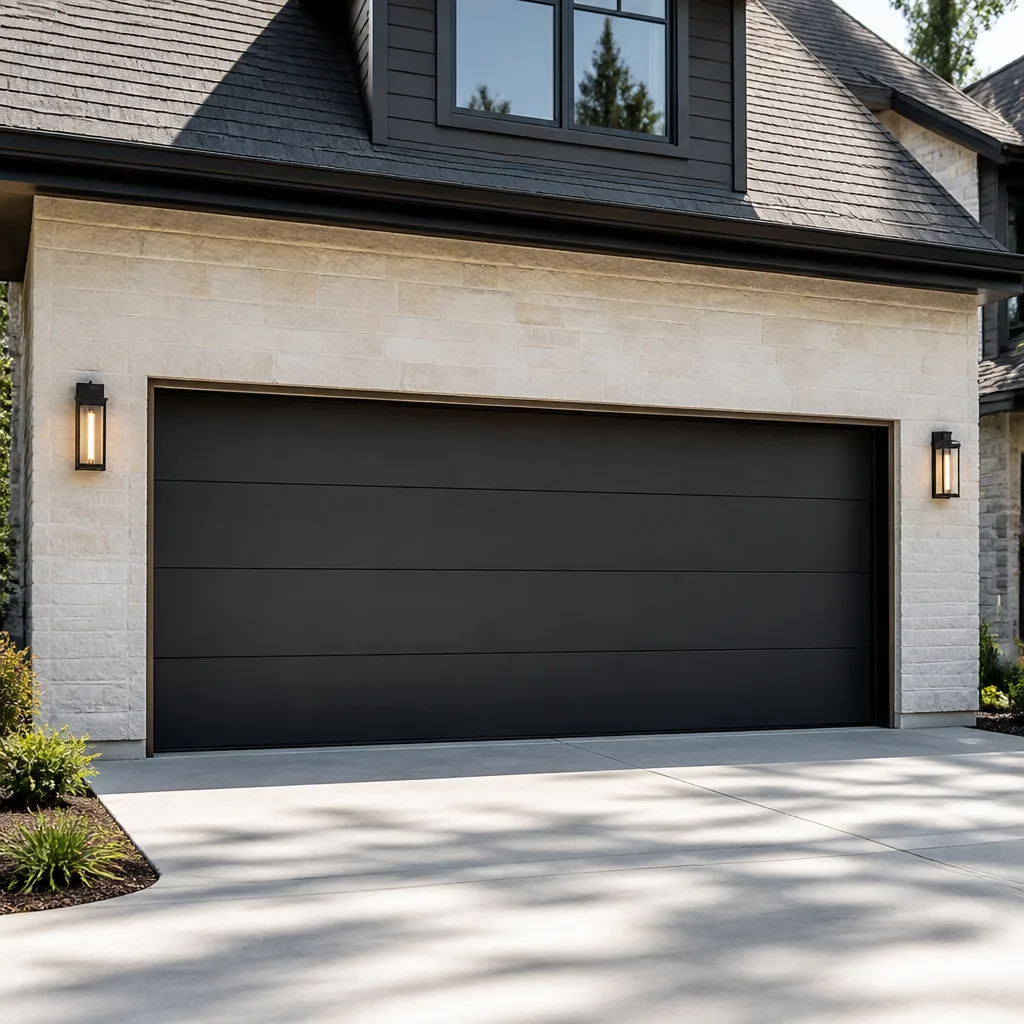 Modern flush
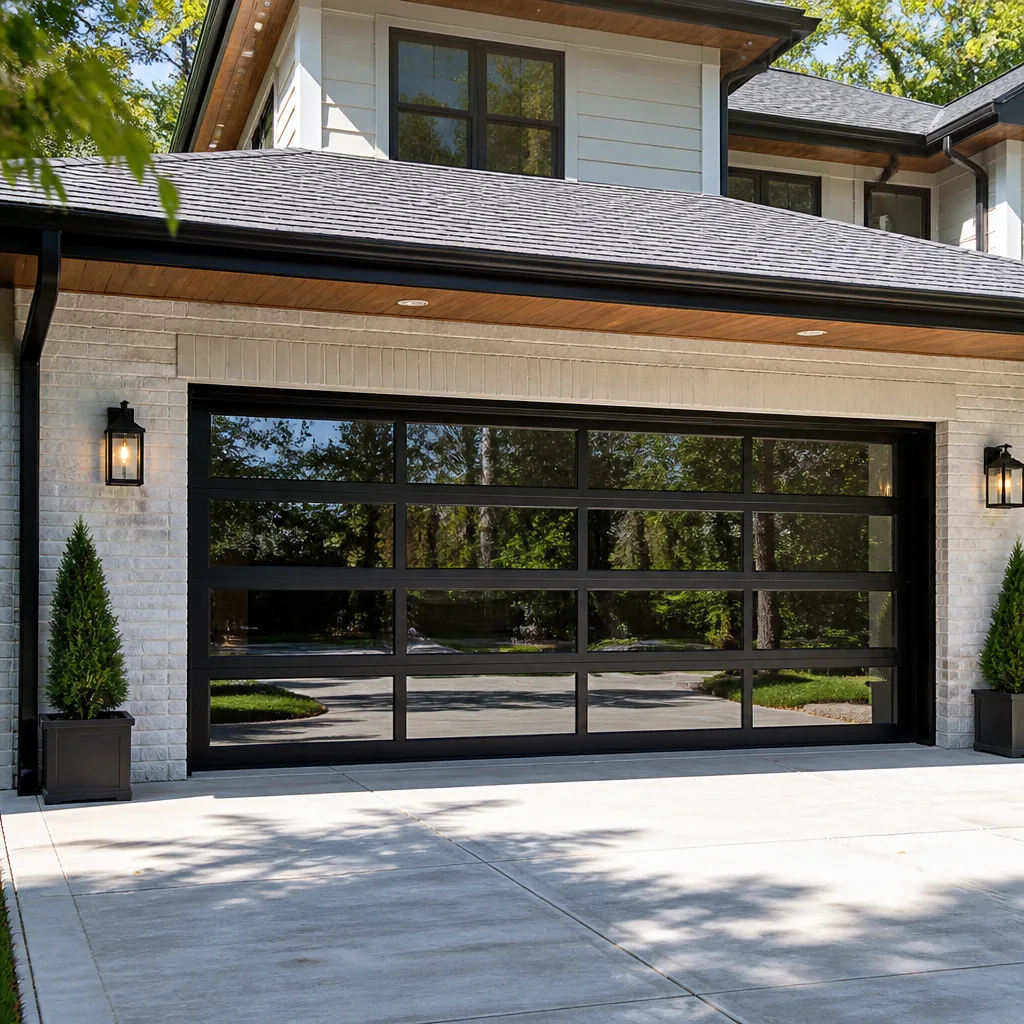 Full-view glass
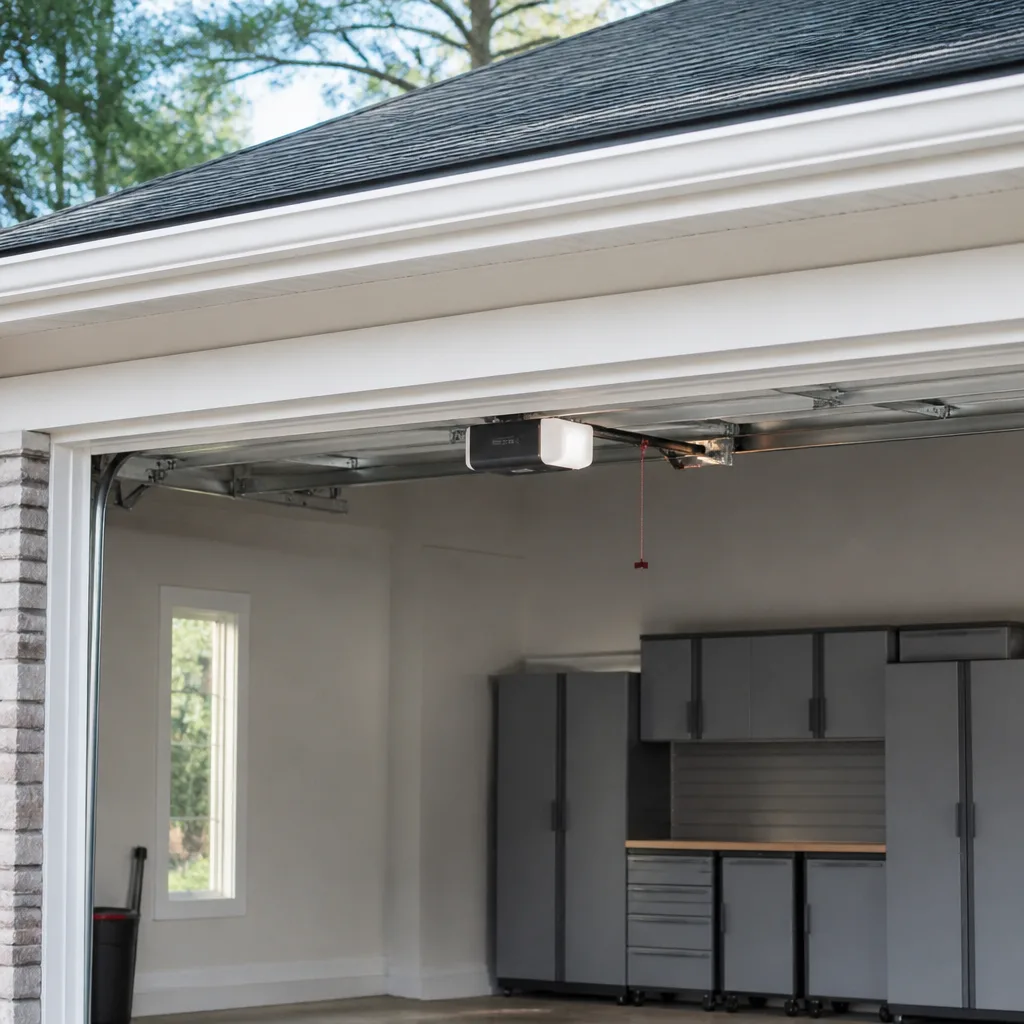 LiftMaster openers
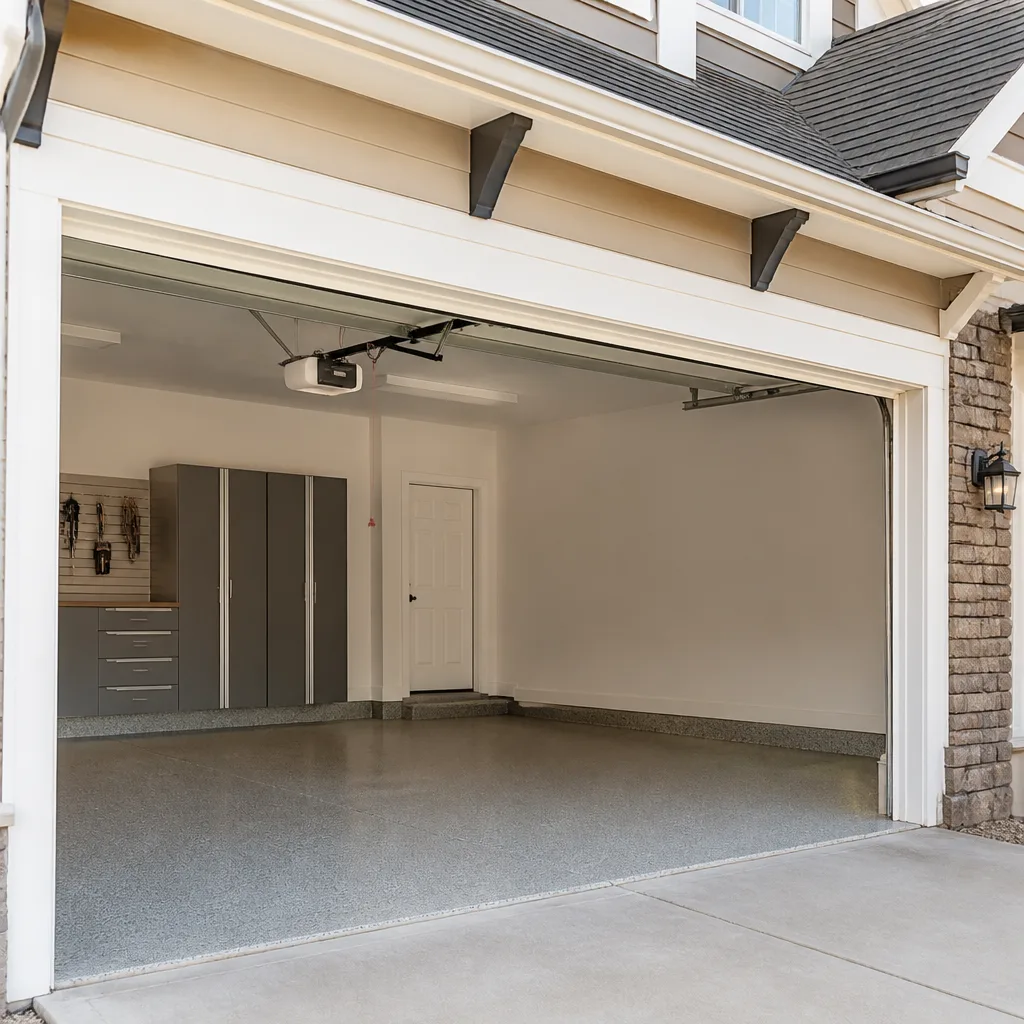 Chamberlain openers
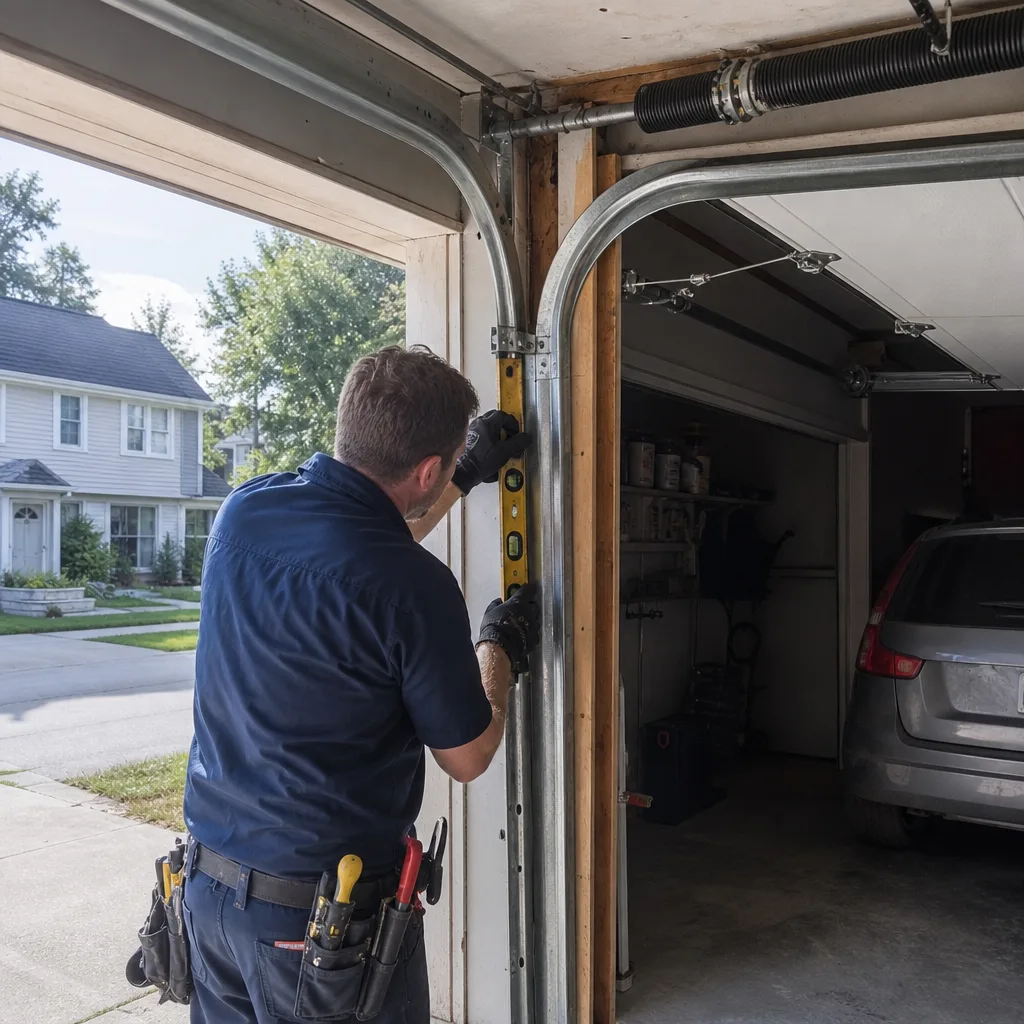
Full 25-point door and opener safety check with every visit - springs, cables, rollers, tracks, and your LiftMaster or Chamberlain opener included
You get a price before we start. It does not change when the pro arrives.
Get your free estimateSeasonal Garage Door Care for Uptown: Year-Round Homeowner’s Guide
Most homeowners in Uptown think about their garage door in January, when it groans against the cold or refuses to open at all. By then, the decisions that caused the problem were made months earlier. The door that struggles in a Minnesota deep freeze is usually the door that went into October with dry rollers, a stiff seal, and a torsion spring that had quietly lost tension over the summer. October is the month that actually protects your door through winter, not January. This guide walks through the four threat windows that Uptown’s climate creates across the year: the pre-freeze scramble, the frozen-ground months, the violent thaw, and the humid stretch that punishes older wood doors. You’ll get checklists you can run yourself and clear signals for when to call in a specialist.
Quick Answer
Seasonal garage door care in Uptown comes down to four windows: prep in fall before the first hard frost, protect the bottom seal and opener in winter, watch for spring hardware failures during the thaw, and manage humidity and panel alignment in summer. A single professional inspection scheduled in early fall can cover all four vulnerabilities in one visit, and it’s the most reliable way to avoid a mid-winter breakdown. Homeowners who adjust and lubricate before the freeze consistently have fewer emergency calls than those who wait.
Styles & brands we work with
- Raised-panel steel
- Carriage house
- Modern flush
- Full-view glass
- LiftMaster openers
- Chamberlain openers
Table of Contents
- Why Uptown’s Climate Is Hard on Garage Doors
- Fall: The Pre-Freeze Checklist That Actually Matters
- Winter: A Door Frozen to the Ground and What to Do
- Spring: Why Hardware Failures Spike During the Thaw
- Summer: Humidity, Wood Doors, and Panel Alignment
- The One Annual Inspection That Covers All Four Seasons
- Common Mistakes to Avoid
- Frequently Asked Questions
Why Uptown’s Climate Is Hard on Garage Doors
Garage doors in Uptown live through a wider temperature swing than doors in most of the country. A single year can take the hardware from humid summer heat to subzero overnight lows and back again, with a long, wet thaw in between. Every material in the door responds differently to that cycle. Steel expands and contracts. Wood swells and shrinks. Rubber seals harden and crack. Lubricant thickens in the cold and thins in the heat. The torsion spring at the top of the door is under constant tension, and temperature changes alter that tension incrementally until something gives.
The neighborhood’s housing stock makes this sharper. Many Uptown garages sit detached or attached to homes built decades ago, with doors that have been retrofitted once or twice over the years. Older wooden doors are common, and older wooden doors are the most sensitive to humidity swings. The alley-facing placement of many Uptown garages also means the door catches wind-driven snow and rain that a sheltered suburban garage never sees.
Road salt is the fourth factor. As cars come and go through the winter, salt tracked into the garage floor migrates onto the bottom seal and the low steel panels. Left there, it works into the paint and accelerates rust along the lowest edge of the door, which is exactly where water pools anyway. A quick rinse of the bottom section a few times each winter makes a real difference.
- Temperature swing: stresses springs, cables, and opener motors.
- Humidity: warps wood panels and loosens hardware fasteners.
- Road salt: corrodes the bottom seal and lowest panel.
- Alley exposure: drives snow and moisture into the tracks and seal.
Fall: The Pre-Freeze Checklist That Actually Matters
Everything you do for your garage door in Uptown should be finished before the first hard frost. Once the ground freezes and temperatures stay below freezing, adjustments become harder, lubricants stop flowing properly, and small problems compound. The fall window is the one time of year when a homeowner can genuinely get ahead of the season.
Work through these steps in order, ideally in early to mid October:
- Test the balance. Disconnect the opener (use the manual release) and lift the door halfway. It should stay put. If it drops or rises on its own, the spring tension is off and needs a professional adjustment.
- Lubricate the moving parts. Rollers, hinges, and the torsion spring coils get a garage-door-specific lubricant, not household oil or WD-40 in the standard formula. Apply sparingly and wipe off excess.
- Inspect the bottom seal. Run a hand along the rubber seal at the base of the door. If it’s cracked, stiff, or no longer making contact with the floor, replace it before winter. This is one of the cheapest jobs on the list and one of the highest value.
- Check the weatherstripping around the frame. The trim on the sides and top of the opening keeps wind and snow out. Loose or torn sections should be reattached or replaced.
- Test the safety reverse. Place a piece of wood on the floor in the door’s path and close the door. It should reverse on contact. If it doesn’t, the opener needs adjustment before winter.
- Tighten visible hardware. Hinges, brackets, and track bolts loosen over the summer. A quick pass with a socket wrench quiets rattles and prevents bigger issues.
- Clear the tracks. Wipe out debris and check that the door runs smoothly without binding.
Notice we didn’t put anything on that list that touches the torsion spring itself beyond looking at it. That’s deliberate. Springs are under extreme tension, and adjusting or replacing them is one of the most hazardous jobs in residential home repair. If your balance test fails, that’s a call to a professional, not a weekend project. Our garage door repair team handles spring work regularly, and technicians who know the difference between a Raynor torsion setup and a LiftMaster chain-drive configuration can usually diagnose and complete most repairs in a single visit.
Winter: A Door Frozen to the Ground and What to Do
When the temperature drops and stays down, a garage door can freeze to the ground along the bottom seal. This happens because moisture collects between the rubber and the concrete, then freezes solid overnight. The result is a door that won’t open, or one that opens with a violent pop that can tear the seal, stress the bottom section, and, if the opener keeps pushing, strip gears inside the motor.
The right way to handle a frozen door is slow and controlled:
- Stop cycling the opener. If the door won’t lift after one attempt, stop. Repeated attempts force the opener against a stuck door and cause the damage you’re trying to avoid.
- Release the opener. Pull the manual release cord so the door is disconnected from the motor.
- Break the ice bond gently. A rubber mallet tapped along the bottom edge of the door, or a plastic scraper worked under the seal, will usually break the bond without damage. Never use a metal tool or hot water, which refreezes and can warp the seal.
- Clear standing water and snow. Once the door is free, sweep the threshold clear of snow and slush so it doesn’t refreeze.
- Re-engage the opener and test. Reconnect the manual release and cycle the door once to confirm it’s moving freely.
If your door has frozen to the ground multiple times in a season, the underlying cause is usually a worn seal or a threshold that holds water. That’s a fix worth making, and it’s the kind of thing an garage door opener repair visit can address along with any opener strain the freezing caused. In our experience, most winter emergency calls in Uptown trace back to a seal that should have been replaced in October.
For doors that refuse to open at all in winter, or ones stuck open in subzero weather, that’s a security and safety issue that can’t wait for a regular appointment. Emergency garage door service exists for exactly this scenario, and it’s a core part of what we do rather than a referral to a general contractor.
Spring: Why Hardware Failures Spike During the Thaw
Most garage door spring failures in Uptown happen in spring, not winter. That’s counterintuitive, but it makes sense once you understand what the thaw does to the hardware. Through winter, the spring coils sit under tension at some of their lowest effective operating temperatures. As temperatures rise in March and April, the coils expand, the steel relaxes, and the tension load shifts. Meanwhile, the cables that transfer spring tension to the door bottom have been through dozens of freeze-thaw cycles, and any corrosion or fraying along their length weakens.
The thaw also floods the tracks and rollers with meltwater. Rollers that were stiff in the cold start rolling through grit and moisture. Bearings that were quiet all winter can start grinding. Doors that were slightly out of balance in the fall are noticeably out of balance by spring, and the opener (a LiftMaster or Chamberlain logic board, or a Genie belt-drive, or a Raynor unit) starts working harder to compensate.
What to watch for in spring:
- A loud bang from the garage. This is usually a torsion spring breaking. Stop using the door and call for service.
- The door opening crooked or with one side lagging. That signals a cable problem or a broken spring on one side.
- Grinding or squealing from the rollers. Bearings may need lubrication or replacement.
- The opener running but the door barely moving. The opener is straining against a door that’s out of balance.
- Cables visibly frayed or slack. Never touch a cable under tension. Call for a professional.
Spring and cable work is the most dangerous repair on a garage door, and it’s not a job for a homeowner with a YouTube video. The tension stored in a wound torsion spring can cause serious injury in an instant. We handle spring replacement as a core service, not a referral, and we work on the major brands already installed in Uptown garages.
Summer: Humidity, Wood Doors, and Panel Alignment
Summer in Uptown brings humidity, and humidity is what punishes older wooden garage doors. Wood absorbs moisture from the air and swells. It releases that moisture when the air dries and shrinks. Across a summer of humid days and dry stretches, a wood door can shift enough to throw the panel alignment off, which in turn affects how it tracks. You might notice the door binding, a gap appearing along one side, or the bottom seal no longer making clean contact.
Steel and aluminum doors are less affected by humidity, but not immune. Hot days expand the metal panels, and the hardware that holds them together loosens over time. Panel sections can also shift out of alignment if a hinge works free.
Summer is the right time to tackle the things that don’t require freezing-weather urgency:
- Refinish wood doors. A fresh coat of exterior-grade paint or stain seals the wood against the next round of humidity swings.
- Check panel alignment. Look along the door from the side. Sections should line up flush. Visible offsets mean the door needs adjustment.
- Re-lubricate. Summer heat thins lubricant, so a mid-year reapplication of garage-door lubricant on rollers and hinges keeps things moving smoothly.
- Test the opener’s safety features. The photo-eye sensors at the base of the door tracks should be clean and unobstructed. Test the reverse function again.
- Wash and inspect the exterior. A rinse removes summer dust and gives you a chance to spot early rust or paint failure.
If you’re weighing whether to keep investing in an aging door or replace it, this is also the season when we field the most questions about garage door installation. A door that needs panel adjustment every summer and resealing every fall is often one that would be better off replaced.
The One Annual Inspection That Covers All Four Seasons
Homeowners in Uptown who do a single professional inspection each year get the most value by scheduling it in early fall, before the first frost. That timing lets a technician catch every problem the coming year will amplify. The inspection isn’t just a visual pass. A proper one covers the door’s balance and travel, the condition of springs and cables, the seal and weatherstripping, the opener’s mechanics and safety features, and the hardware along the tracks and panels.
What a thorough annual inspection should check:
- Spring tension and coil condition. A trained eye spots early signs of fatigue before the spring breaks unannounced.
- Cable condition. Fraying, kinks, and corrosion on the cables are documented and, if needed, addressed.
- Roller and hinge wear. Worn rollers get replaced or lubricated, hinges get tightened.
- Track alignment. Bent or shifted tracks are realigned before they cause the door to bind.
- Bottom seal and weatherstripping. Worn seals get replaced so winter freeze-ups don’t happen.
- Opener operation. Force settings, travel limits, and safety reverses are tested and adjusted. The opener’s brand-specific logic is taken into account.
- Balance test. The door is tested to confirm it stays in place when disconnected from the opener.
What makes a single-visit inspection valuable is a technician who knows the specific hardware already on your door. That’s why brand familiarity matters. We service and repair equipment from eight major garage door and opener brands: LiftMaster, Chamberlain, Genie, Clopay, Amarr, Wayne Dalton, Craftsman, and Raynor. When a technician arrives at an Uptown garage, they aren’t learning your system from a manual. They already know its failure points.
Common Mistakes to Avoid
- Waiting until January to think about the door. The most expensive winter repairs in Uptown are the ones that could have been avoided with a fall tune-up. By the time the freeze hits, your window for adjustment has closed.
- Using the wrong lubricant. WD-40 and household oils attract dirt and break down quickly. Garage doors need a lubricant made for the job. This is the single most common summer mistake we see in Uptown.
- Forcing a frozen door open. If the door is frozen to the ground, stop. Keep forcing it and you’ll tear the seal or, worse, strip the opener. Break the ice gently, or call for service.
- DIY spring replacement. This is the most common way Uptown homeowners get hurt around a garage door. Torsion springs are under extreme tension and can cause serious injury. This is not a DIY job.
- Ignoring a door that closes crooked or lags on one side. A crooked door means a cable or spring problem. Waiting turns a repair into a replacement.
- Letting salt and slush sit on the bottom panel. The lowest panel of the door is the one that rusts out first, and the one that costs the most to repair because it’s structural. A quick rinse a few times each winter prevents it.
- Skipping the balance test. A door that’s out of balance feels fine to open by hand but forces the opener to work constantly. Over a year, that shortens the opener’s life.
- Assuming a noisy door is normal. A well-maintained door in Uptown is quiet. Grinding, squealing, and popping are signals, not background noise.
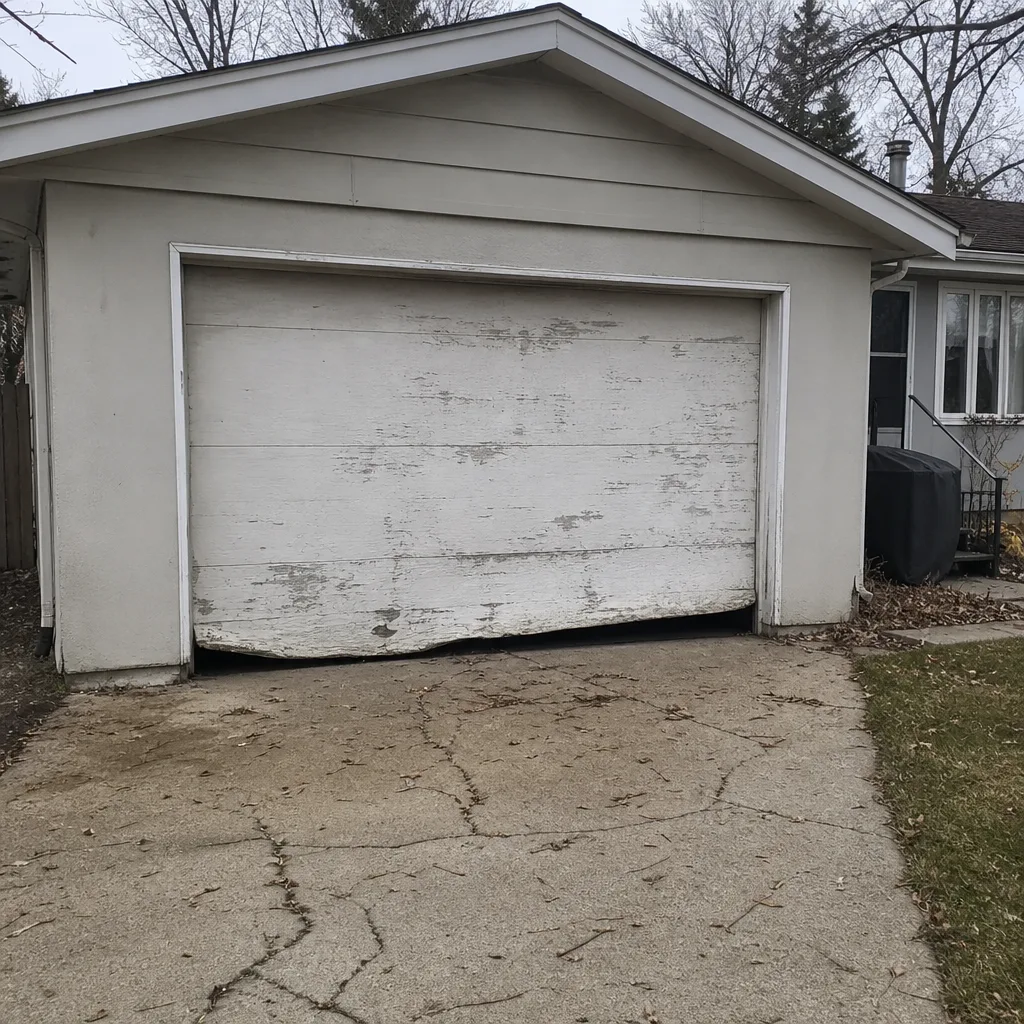
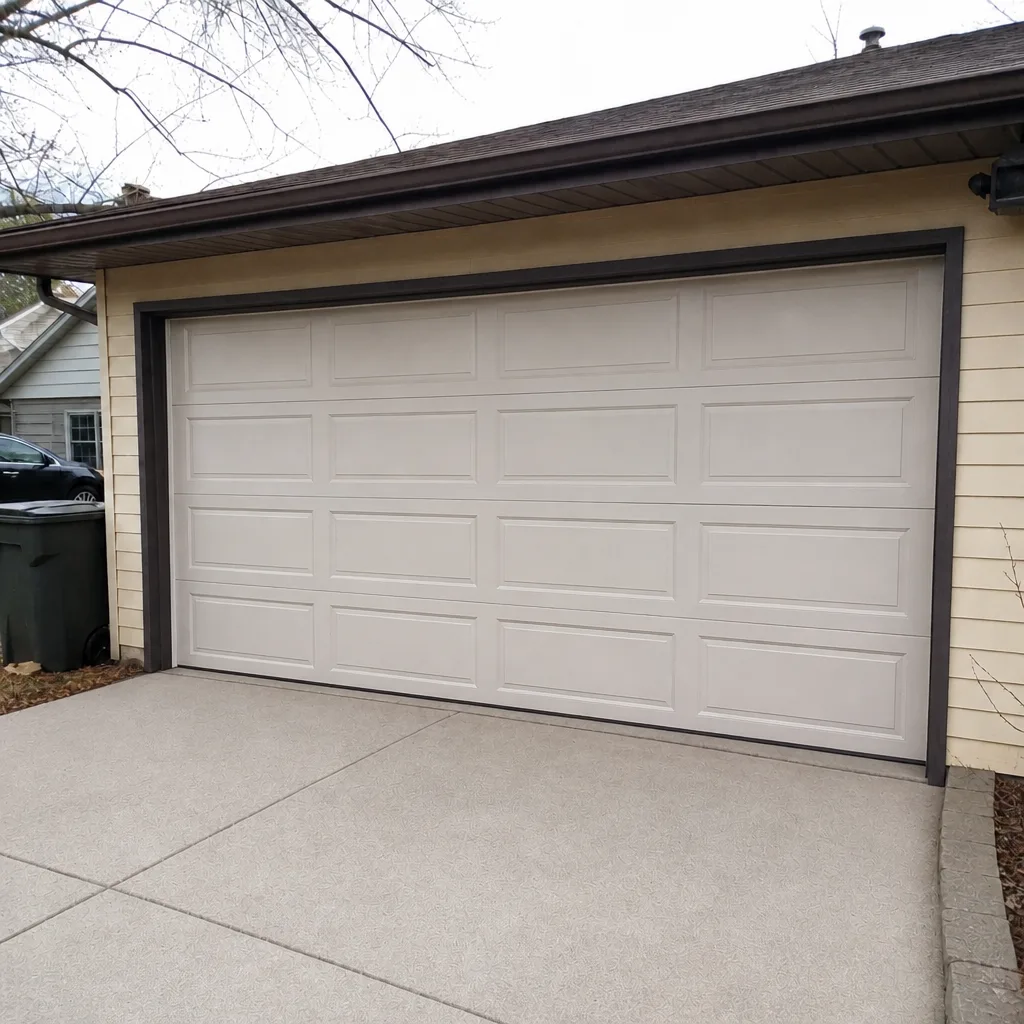
See the difference
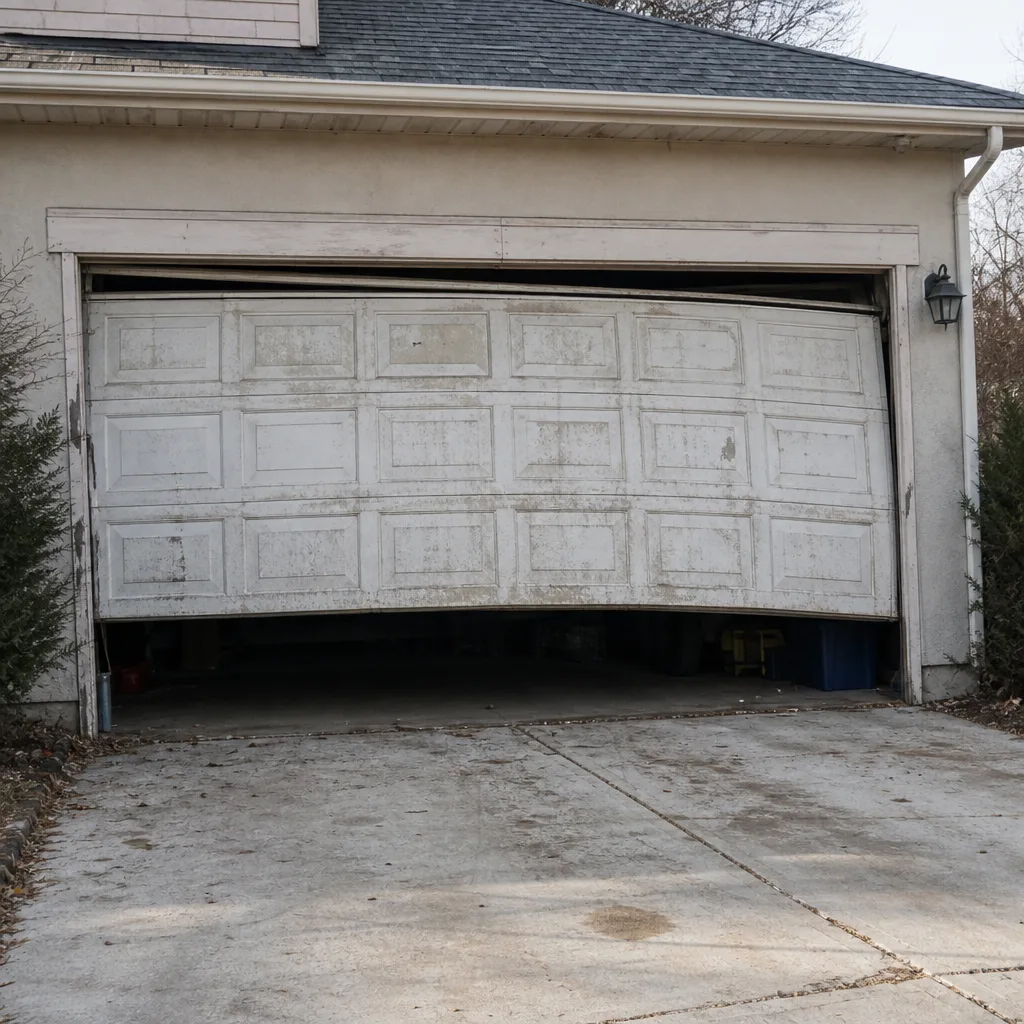 Before
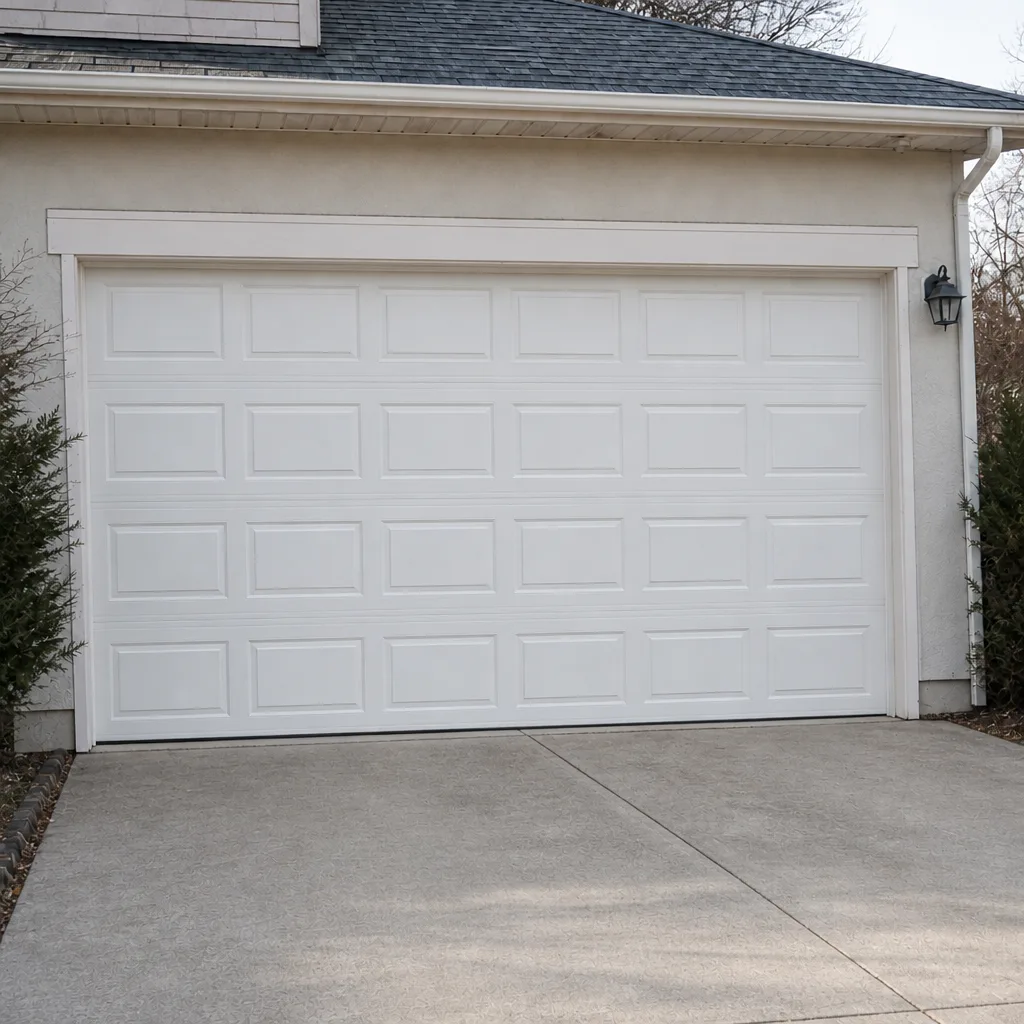 After
 Before
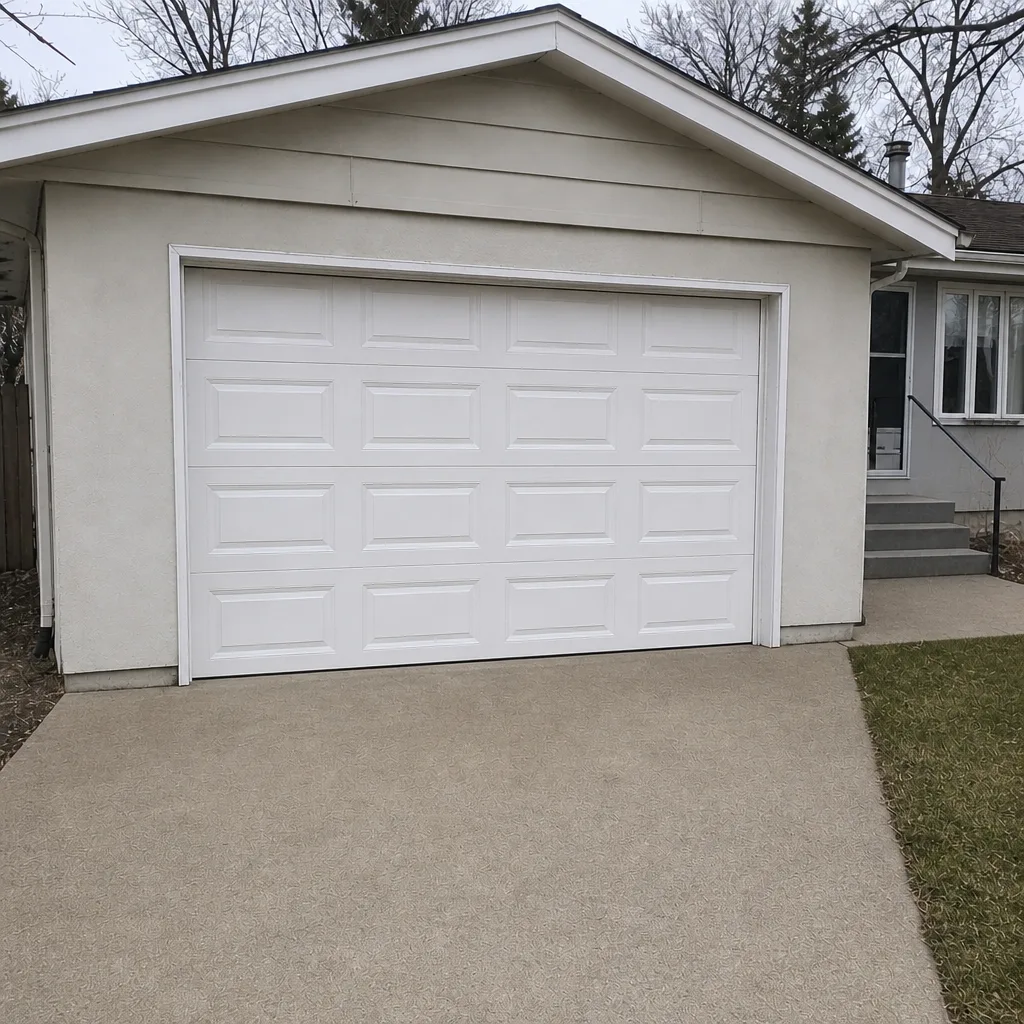 After
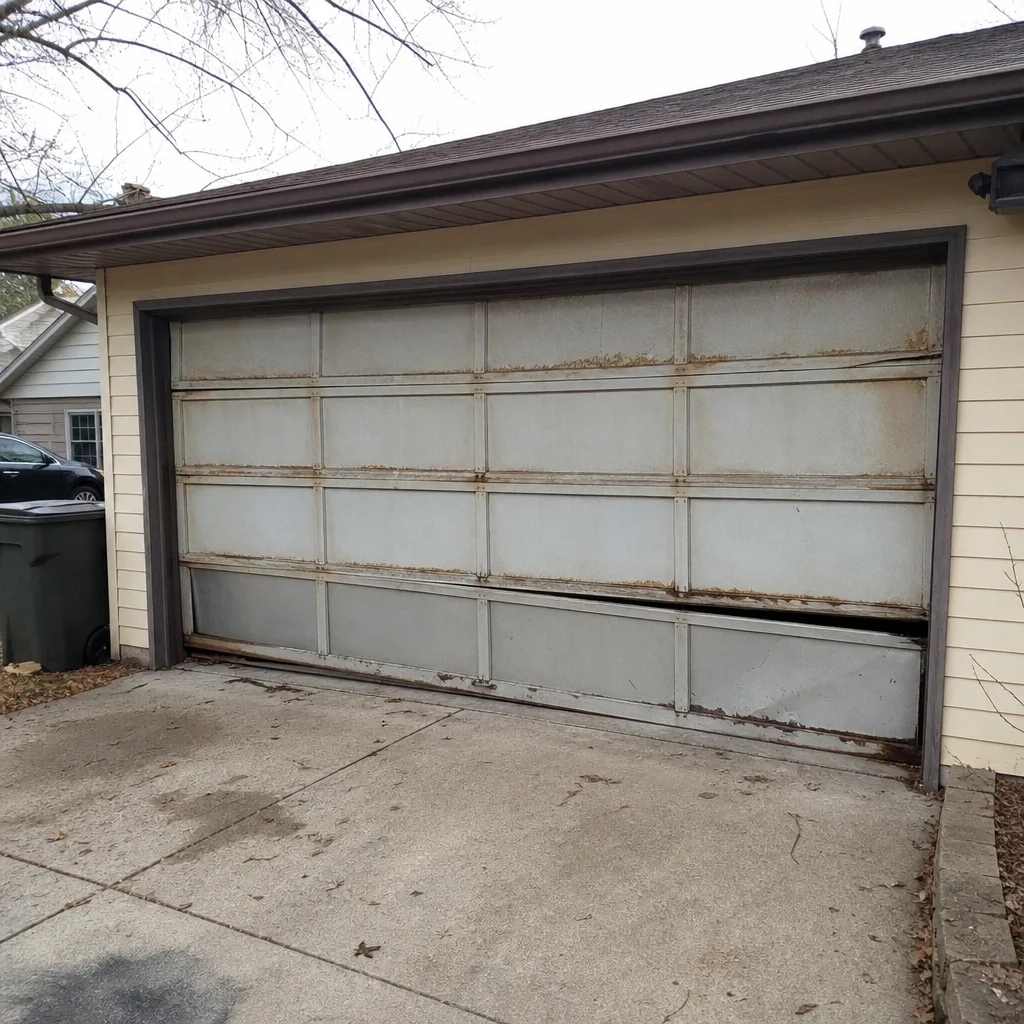 Before
 After
When to Call a Professional
Some seasonal work is fine for a homeowner: lubricating rollers, testing the reverse, rinsing the bottom panel. Other jobs belong to a specialist. Call a professional if the door won’t stay in place during a balance test, if a spring has broken, if a cable looks frayed or slack, if the door opens crooked, if the opener strains or reverses for no reason, or if the door has frozen to the ground repeatedly in a season. These are the situations where a small repair becomes an expensive one when handled wrong, and where the stored energy in the system means injury risk. Garage Door Repair Uptown offers free estimates in Uptown. Call (855) 337-1679 to book an inspection before the frost hits.
Frequently Asked Questions
Once a year is the standard recommendation, and in Uptown’s climate the best time is early fall, before the first hard frost. A single annual inspection covers spring tension, cables, rollers, seal condition, and opener operation, which together account for nearly every seasonal failure we see. If your door is older or made of wood, twice a year (fall and spring) is worth considering.
Spring failures in Uptown most often happen during the thaw because the freeze-thaw cycle shifts tension loads on the coils and stresses the cables. Through winter the spring sits under tension at low temperatures, and as the weather warms the coils expand and the load redistributes. A spring that was already fatigued often breaks right at the thaw. Call (855) 337-1679 if you hear a loud bang from the garage, and stop using the door until it’s checked.
Disconnect the opener with the manual release and lift the door halfway. It should stay where you put it. If it drops to the floor or rises on its own, the door is out of balance, usually because of spring tension or a cable problem. Don’t adjust the springs yourself: call a technician. This is exactly the kind of test that belongs in a fall tune-up, so an inspection in early October catches it before it becomes a winter emergency.
No. Use a garage-door-specific lubricant on rollers, hinges, and the torsion spring. Standard household oils and generic WD-40 attract dirt and dry out quickly in Uptown’s temperature swings. Apply the right lubricant sparingly in fall and again midsummer. The wrong lubricant is one of the most common causes of a noisy, sluggish door that turns into a real problem in winter.
Make sure the bottom seal is in good condition before winter, and sweep snow and slush off the threshold whenever you can. If the door still freezes, break the ice gently with a rubber mallet or plastic scraper and never force the opener. If freeze-ups happen repeatedly, the seal or threshold needs attention. Call (855) 337-1679 to have a technician look at it before the next cold snap.
Very likely. We service and repair equipment from LiftMaster, Chamberlain, Genie, Clopay, Amarr, Wayne Dalton, Craftsman, and Raynor. That covers the vast majority of doors and openers installed in Uptown garages, which means the technician who arrives already knows the mechanics and common failure points of your system rather than learning it on the job. Call (855) 337-1679 with the brand and model and we’ll confirm before booking.
The Bottom Line
Garage door care in Uptown is a year-round rhythm, not a one-time task. October’s pre-freeze checklist does more to protect your door than anything you do in January. Winter asks you to be gentle with a frozen door and honest about a failing seal. Spring is when hardware failures surface, and it’s the season when professional diagnosis matters most. Summer gives you time to address wood, alignment, and lubrication before the cycle starts again. One annual inspection scheduled in early fall is the simplest way to handle all four windows in a single visit. If your door needs attention, or if it’s been more than a year since the last inspection, a free estimate is the right next step. Garage Door Repair Uptown works on doors and openers from the major brands already in your garage, and every technician specializes in garage doors alone. Call (855) 337-1679 to book a free estimate.
For a full picture of what we do, start with Garage Door Repair Uptown. Most repairs are diagnosed and completed in a single visit.
Written by the team at Garage Door Repair Uptown.