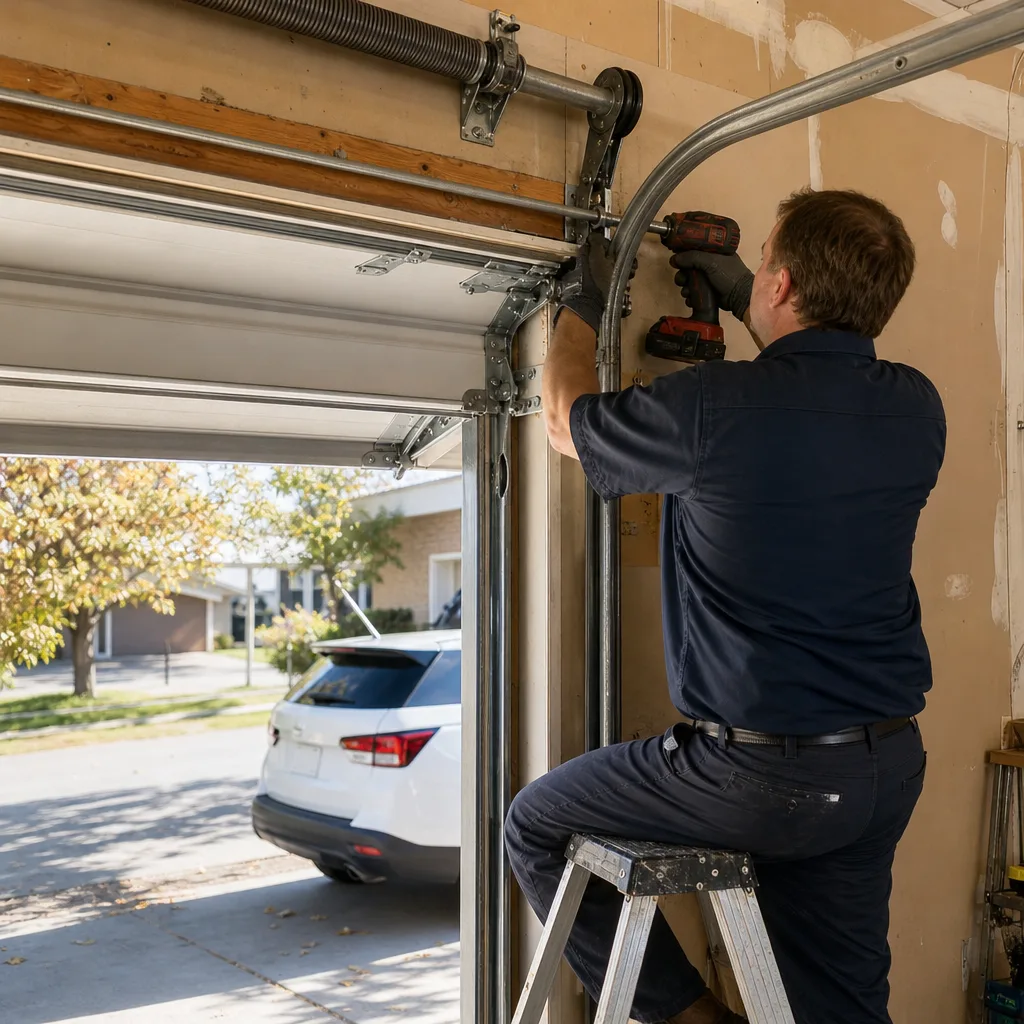
Last updated November 22, 2026
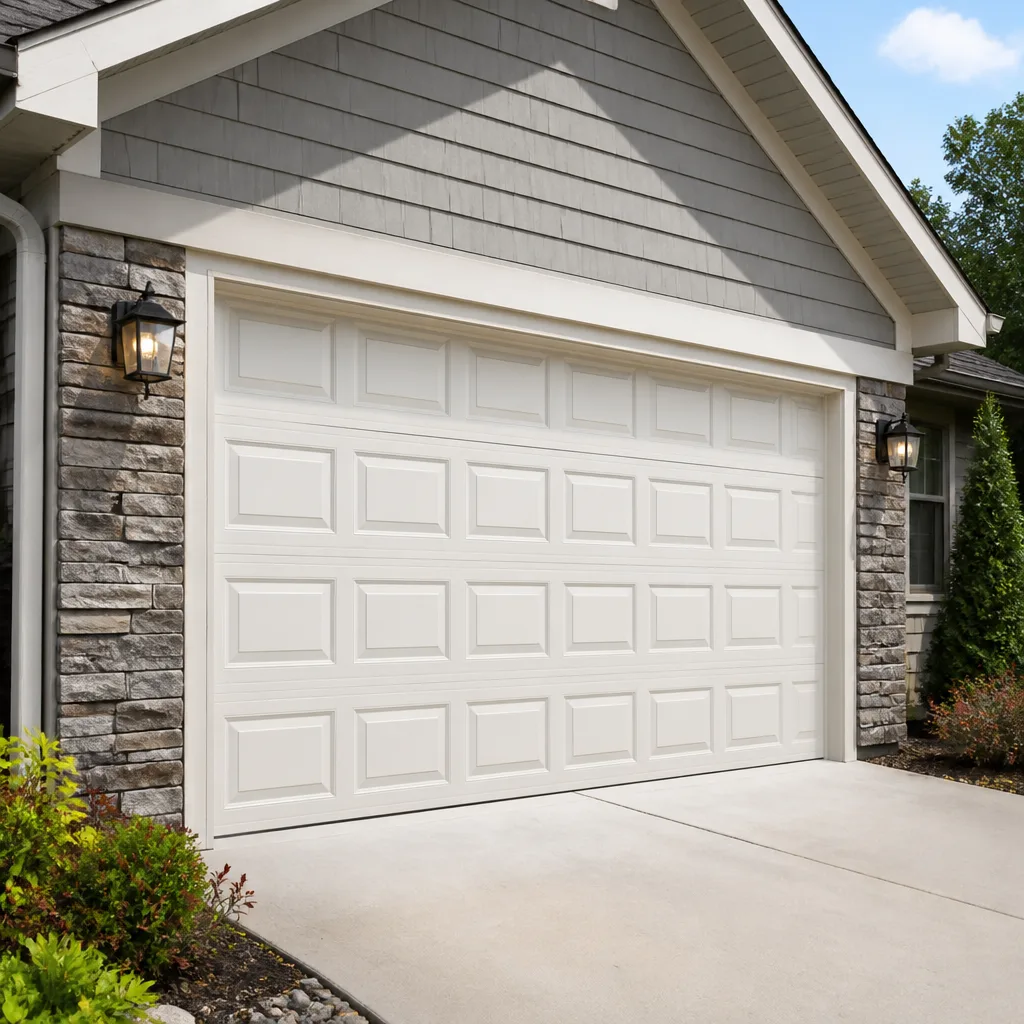 Raised-panel steel
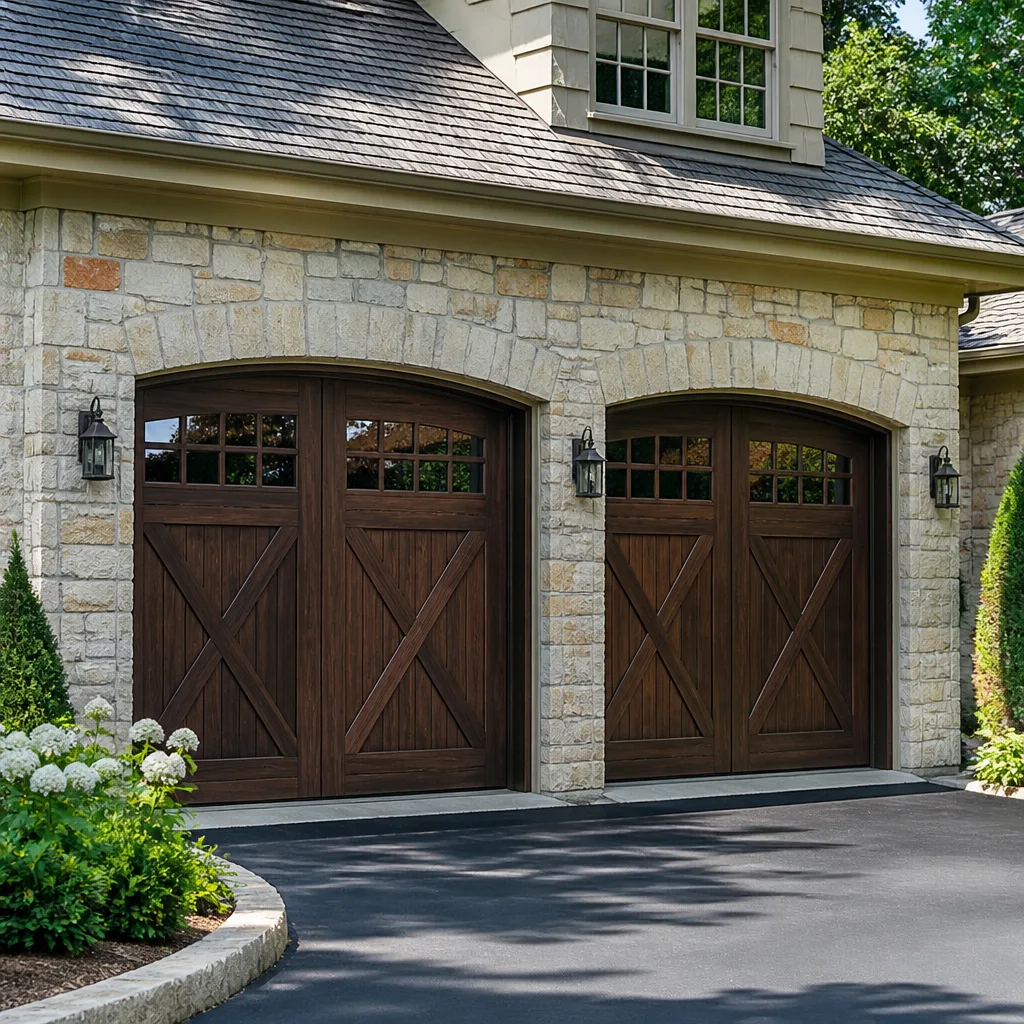 Carriage house
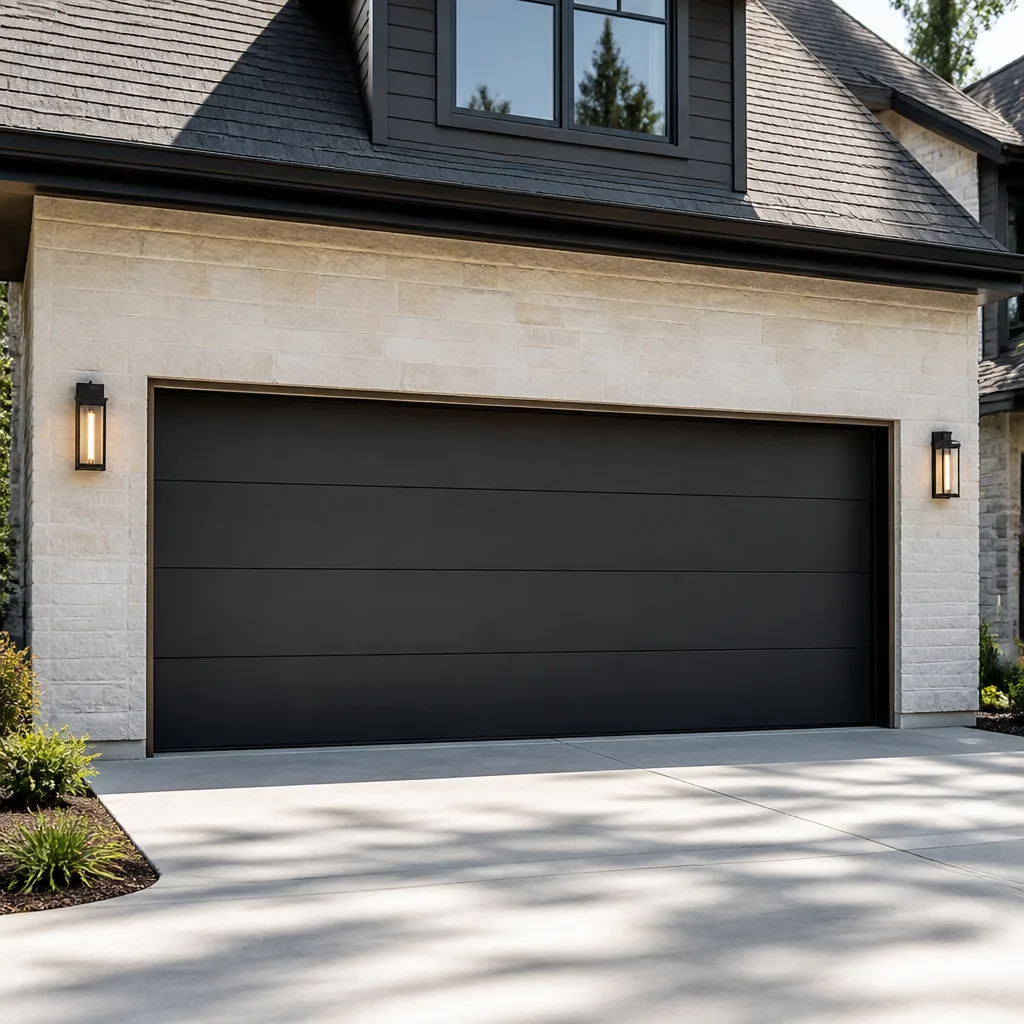 Modern flush
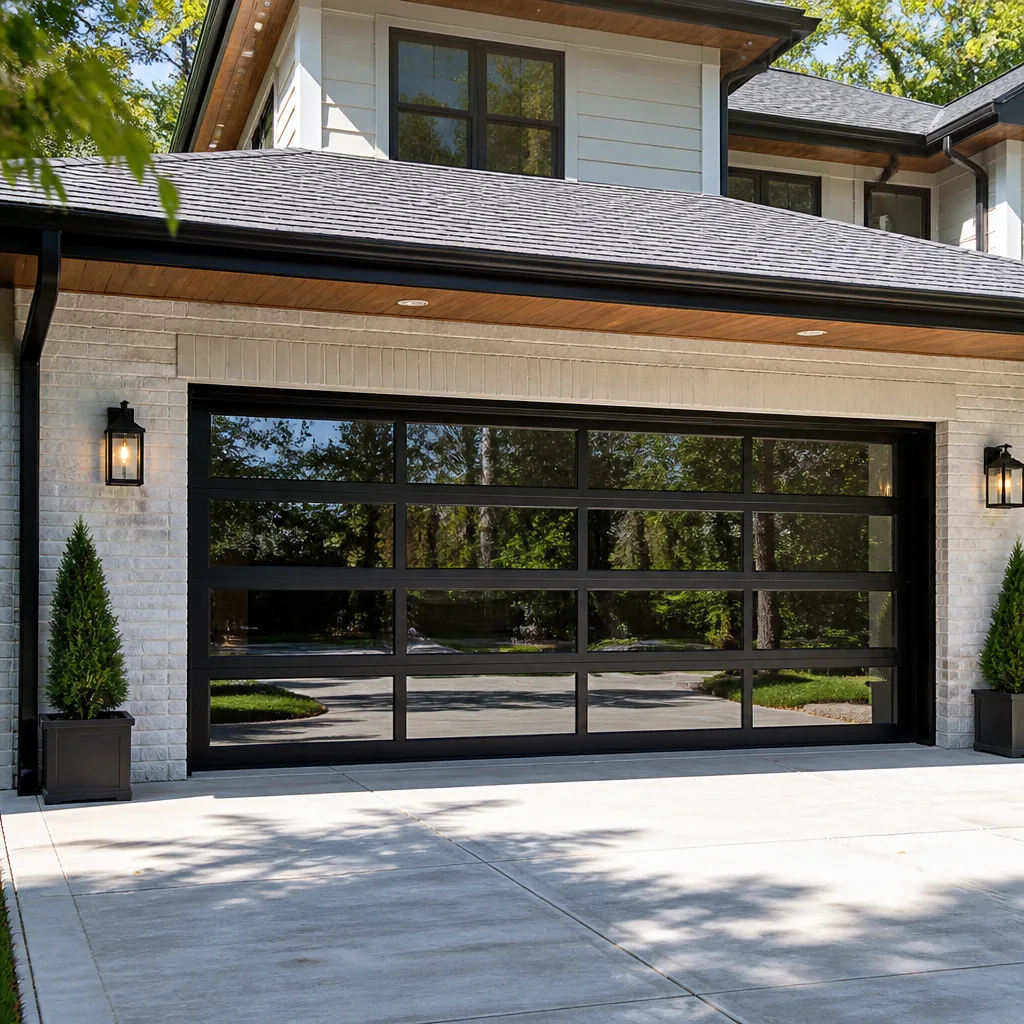 Full-view glass
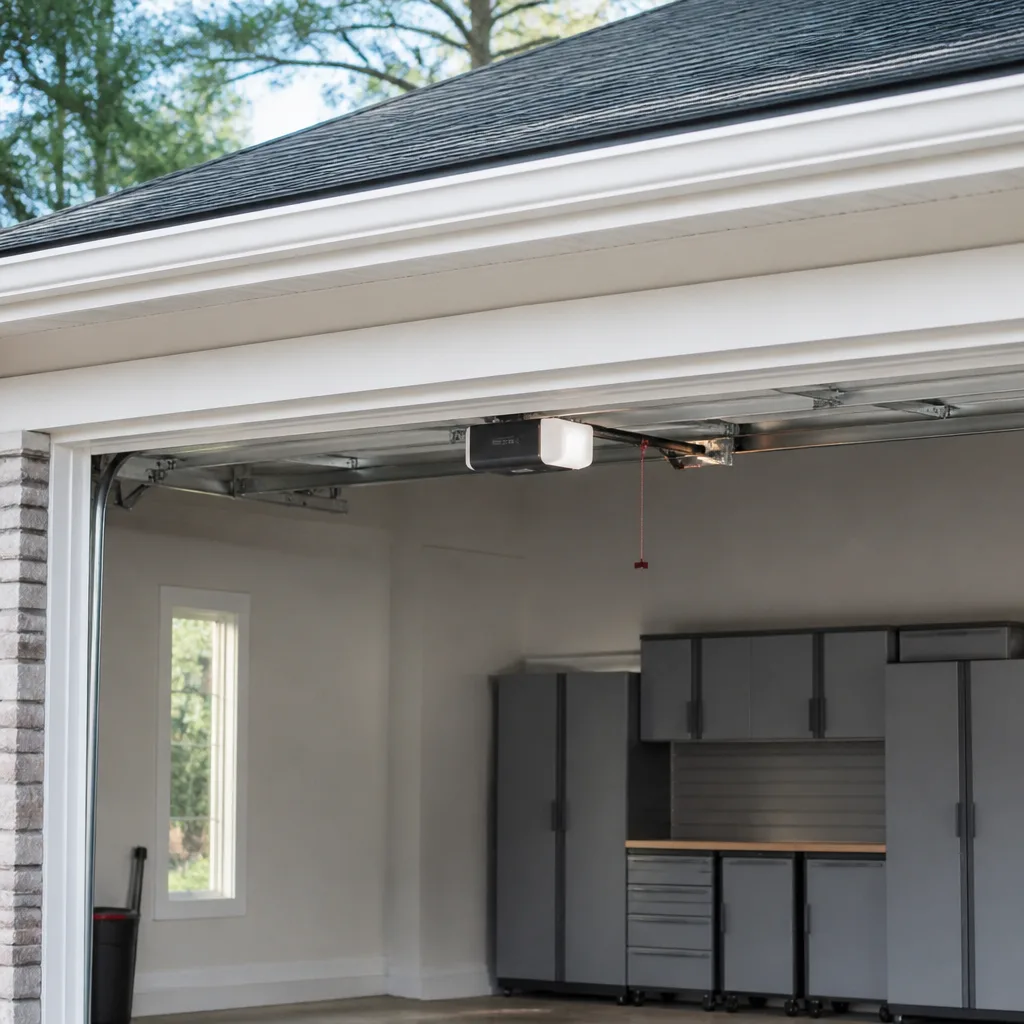 LiftMaster openers
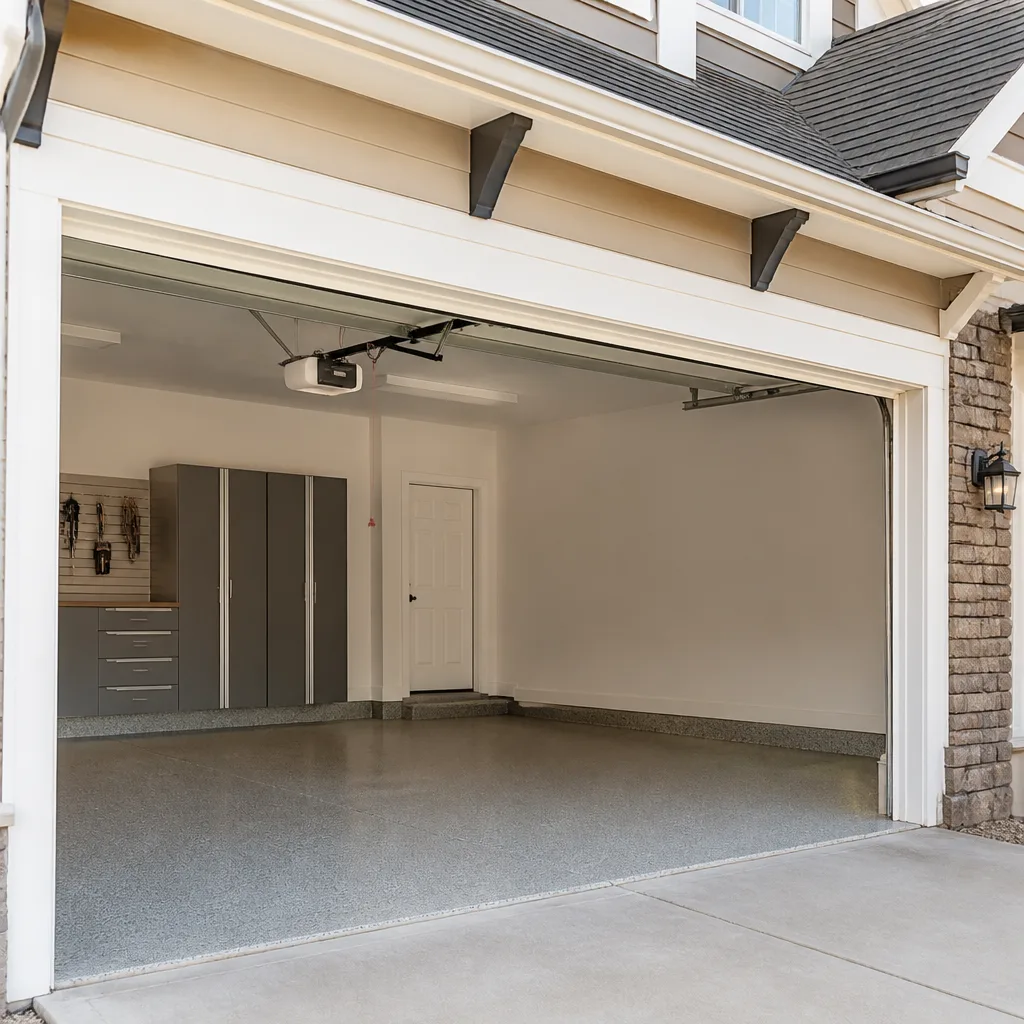 Chamberlain openers
Full 25-point door and opener safety check with every visit - springs, cables, rollers, tracks, and your LiftMaster or Chamberlain opener included
You get a price before we start. It does not change when the pro arrives.
Get your free estimateChoosing the Right Garage Door Brand: A Buyer’s Guide for Uptown
Most Uptown homeowners pick a garage door brand by asking which name they’ve seen the most. That’s answering the wrong question. The brand that’s right for a heated attached garage with a wide opening on a suburban lot is often the wrong brand for a detached alley garage in Uptown, and the mismatch shows up quietly: a door that sweats in January, an opener that strains against a heavier panel than it was sized for, a warranty exclusion that turns out to matter in year seven. This guide is about which manufacturer’s engineering decisions actually fit the conditions in Uptown: cold winters, tight lots, garages pressed up against living space, and openings that see heavy daily use. We’ll cover insulation ratings, steel gauge, seal systems, noise, warranty fine print, and why manufacturer authorization matters when something eventually needs fixing.
Quick Answer
For most Uptown homes, the best garage door brand is the one whose insulation rating matches your garage type, whose steel gauge fits your daily cycle count, and whose parts a certified local technician can actually get. Clopay and Amarr lead on insulation options for attached and heated garages; Wayne Dalton fits tight urban openings and detached unheated garages well. Match the door to the building before you match it to the brochure.
Styles & brands we work with
- Raised-panel steel
- Carriage house
- Modern flush
- Full-view glass
- LiftMaster openers
- Chamberlain openers
Table of Contents
- Why Brand Choice Matters More in Uptown Than Anywhere Else
- Clopay vs. Amarr vs. Wayne Dalton vs. CHI: The Cold-Climate Comparison
- How to Match Insulation Rating to Your Garage Type
- The Noise Factor: Quiet Construction in a Dense Urban Setting
- Steel Gauge and Cycle Life: What You’re Really Paying For
- Warranty Terms and What the Exclusions Mean in Year Seven
- Certified Brand Authorization and Parts Availability
- Cold-Weather Opener Compatibility
Why Brand Choice Matters More in Uptown Than Anywhere Else
In most of the country, a garage door is a garage door. In Uptown, the building stock and the climate conspire to make brand selection a real decision. Uptown’s older housing stock means plenty of detached garages sitting off the alley, unheated, with an opening sized for a sedan rather than an SUV. That garage shares a climate with the house next door but none of its heat. A door rated for a heated attached garage will underperform there, not because the brand is bad, but because it was specified for conditions that don’t exist on your lot.
The cold is the other half. An Uptown garage door operates through freeze-thaw cycles, ice buildup along the bottom seal, and hardware that contracts hard enough to rattle a poorly assembled panel. Brands that build for milder climates get away with thinner steel and simpler seals. Brands that build for northern conditions put their money into galvanized hardware, heavier gauge, and seal systems that stay pliable in the cold.
We work on the brand already in your garage, and across Uptown we see what happens a decade in. The doors that hold up aren’t always the ones with the biggest ad budget. They’re the ones whose engineering matched the job. If you’re staring at a failing door and weighing repair against replacement, a call to garage door repair is the fastest way to find out whether the door you have is worth saving.
Clopay vs. Amarr vs. Wayne Dalton vs. CHI: The Cold-Climate Comparison
Four brands come up most often in Uptown garage door conversations. Each one makes good doors. They make different decisions, and those decisions matter here.
Clopay
Clopay’s strength in a northern market is its range of insulation options and panel construction. Their insulated lines use continuous polyurethane or polystyrene cores rather than a thin backing, which pays off in an attached garage where the door wall faces living space. Their hardware is generally well specified for cold climates. The trade-off is price and a dealer network that’s pickier than some.
Amarr
Amarr competes on value and build quality. Their insulated doors hold their own against anything in the category, and their seal systems are a step above entry-level. For Uptown homeowners replacing a worn steel door on a heated attached garage, Amarr tends to land in the sweet spot of insulation performance against price.
Wayne Dalton
Wayne Dalton’s strength is fit in tight spaces. Their narrower profiles and hardware options suit older Uptown garages where the opening isn’t generous and clearance is tight. Their uninsulated and lightly insulated lines make sense for a detached alley garage where heating isn’t part of the plan and a heavier door would just load the opener.
CHI
CHI builds solid steel doors with straightforward construction. Their lines are competitive on gauge and finish, and for cottage-style or carriage-house looks common on renovated Uptown homes, they offer good options. Insulation depth is narrower than Clopay’s top tier, so they suit a detached garage more than a heated attached one.
If you’re weighing a replacement, the honest starting point is knowing what’s already hanging. A technician can tell you which brand you have, how old the hardware is, and whether a new door or a fresh opener gets you further. That’s the conversation garage door installation should start with, not a catalog.
How to Match Insulation Rating to Your Garage Type
Insulation rating is the single most over-purchased spec in garage doors. Homeowners buy more R-value than their garage can use, then wonder why the space is still cold. The right rating depends entirely on what’s above, below, and beside the garage.
Attached, heated garage
If your garage shares a wall or ceiling with living space, insulation is doing real work. Warm air migrating through an uninsulated door pulls heat out of the house and creates a cold spot on the adjacent room. In this case, a continuous-core insulated door is worth the money. It doesn’t need to be the top R-value in the catalog; it needs to be a genuine thermal barrier, not a thin sheet with a label.
Detached, unheated garage
For the detached alley garages all over Uptown, insulation’s job is different. It’s not about heating the space; it’s about reducing condensation on cold mornings, moderating temperature swings that stress the hardware, and cutting noise. A moderately insulated door gets you most of the benefit. Spending top dollar on R-value here is paying for a number you can’t use.
Heated, conditioned garage (workshop or office)
If the garage is a working space, insulation matters most of all: floor-to-ceiling coverage, tighter seals, and hardware rated for higher cycle counts because you’re using the door more. This is where the top tier of any brand’s catalog earns its price.
Unheated, unused garage
If the door is mostly a security barrier and a place for the car, a lighter door with good seals is enough. Your opener will thank you; heavier panels wear out lighter motors.
One more point on insulation and the climate: in a Minnesota winter, the seal at the bottom is often more important than the panel’s R-value. A well-insulated door with a stiff, cracked bottom seal leaks more than a modestly insulated door with a good one. Any brand’s door is only as warm as the seals around it.
The Noise Factor: Quiet Construction in a Dense Urban Setting
In Uptown, garages aren’t out on a quarter-acre lot. They’re pressed up against living space, sharing walls with bedrooms, and opening onto alleys that funnel sound toward the neighbors. Noise is a real spec here, not a nice-to-have.
Three things determine how quiet a door is:
- Panel construction. Doors with a continuous sandwich construction (steel skins over a solid core, bonded to the frame) transmit far less rattle than doors built with hollow panels and floating skins. The core acts as a damper.
- Hinge and roller quality. Rolls that seat properly and hinges that stay tight eliminate the metal-on-metal rattle that wakes people up on a cold morning. Cheaper hardware loosens faster.
- Opener type and mounting. A belt-drive opener is quieter than a chain-drive. A wall-mounted jackshaft opener is quieter still, because it doesn’t pull the door along a rail at all. For a garage adjacent to a bedroom, this is the difference between a low hum and a rumble.
Wayne Dalton and Clopay both offer panel constructions that run notably quieter than entry-level hollow doors. Some Uptown garages benefit from adding a track-and-roller upgrade during installation; it costs less than the door and does more for noise than a fancier panel. If your current opener is the noisy culprit, a fresh unit can change the whole experience; we handle both the door and the motor when a garage door opener repair turns into a replacement.
Steel Gauge and Cycle Life: What You’re Really Paying For
Steel gauge is the spec most homeowners overlook. A door built in a thicker gauge isn’t just stronger; it resists the fatigue that comes from daily cycling through cold. In Uptown, where doors are opened several times a day and hardware works through months of sub-freezing temperatures, gauge matters more than finish.
Three things to weigh:
- Cycle count. Every spring and every hinge has a rated service life in cycles. A door in daily use hits its rated cycle count faster than a door on a weekend car. Buy the door built for higher cycles, not the cheapest one on the floor.
- Hardware. Thicker steel wants heavier hinges and rollers. Brands that pair a solid panel with cheap hardware are setting you up for a rattle and a repair in year five.
- Finish. In cold climates, finish cracking along panel edges is the first visible sign of trouble. A galvanized or well-primed base layer outperforms a thicker topcoat.
Clopay, Amarr, and CHI all publish gauge and cycle ratings on their product lines. Ask for them. A new door replaced by a cheap installer on the wrong gauge is the most common regret we see in Uptown. The other: springs that fail well before their rated cycle count because the door is heavier than the spring tension. If you notice springs that are stretched or broken, don’t work them yourself. Springs are dangerous, and this is not a DIY job. Call a professional.
Warranty Terms and What the Exclusions Mean in Year Seven
Brand warranty terms look similar on the brochure. They diverge sharply once you read the exclusions. In year seven, when a door is past the shiny-new stage and the hardware is starting to work, the fine print is what decides who pays.
Three categories to check before you buy:
- What’s covered, and for how long. Panel finish, panel structure, hardware, and springs are separate warranties with separate durations. Springs are often the shortest, and springs are what fail first.
- What voids the coverage. Improper installation, unapproved hardware, modified tracks, or work by an uncertified installer can all void coverage. This is where the installer matters as much as the door.
- How the claim actually runs. Some brands deal directly with the homeowner; some push claims through the dealer. If the dealer you used disappears, the claim is often stuck.
In practice, the warranty is only as good as the door’s installed quality. A door installed out of square, with track that’s not plumb, ages faster than the warranty was written for. That alone is why the brand you choose and the technician who installs it are a package deal. We work on eight of the major brands, so the warranty conversation at year seven is one we’ve had more than a few times across Uptown.
Certified Brand Authorization and Parts Availability
A manufacturer’s certified authorization isn’t just a logo on a website. It’s the difference between a technician who can order the right panel, spring, or opener component, and one who installs a generic substitute that compromises the door. In Uptown, where Uptown garages get their doors tested by real winters, this is the difference between a same-week fix and a same-month fix.
What authorization means in practice:
- Direct access to the manufacturer’s parts catalog, so the replacement panel matches the original.
- Warranty claims that can be made by the dealer on your behalf.
- Access to technical training on that brand’s specific hardware and failure points.
For repair work, authorization determines turnaround. A certified shop can pull parts and get a door back in service quickly. A shop without it either waits on a third-party order or substitutes. None of this matters until the day something fails. Then it matters a great deal.
As a garage door specialist, we’re factory-familiar with Clopay, Amarr, Wayne Dalton, and the rest of the brands we service. If you’re unsure whether your existing door is still supported, Garage Door Repair Uptown is a good place to start. We’ll tell you honestly whether it’s a repair or a replacement.
Cold-Weather Opener Compatibility
An opener is only as good as the door it’s mounted to and the temperature it has to work in. In Uptown, where January nights hit hard and the garage door is cold to the touch, cold-weather compatibility means a motor strong enough to lift the door at low temperature, a travel adjustment that doesn’t drift, and a safety reverse that still works when the door is stiff.
Three factors in the cold:
- Horsepower and door weight. A ½-horsepower motor handles a lighter uninsulated door fine. A heavier insulated door on a detached garage needs a ¾-horsepower unit. Mismatched motors strain, overheat, and wear out early.
- Lubrication and grease. Cold thickens grease. Opener manufacturers spec grease for their climate range. Cheaper generic grease gets stiff and drags.
- Battery backup. If the garage has no other opening, the motor’s battery backup is the difference between a functioning door and a stuck one.
A good technician checks both sides at once: the door’s balance, spring tension, and seal, and the opener’s motor and travel. A mismatch here is what makes people think their opener is failing when the door is really the issue. That’s the sort of thing we diagnose on a routine visit. Our technicians have up to 12 years of experience and know the specific mechanics of whatever’s in your garage.
Common Mistakes to Avoid
- Buying the biggest R-value on the label for a detached garage. Insulation only pays off when there’s heat to keep in. On an unheated Uptown alley garage, you’re buying a number you can’t use.
- Specifying a door for the neighbor’s garage. The door that fits an Eden Prairie new-build on a wide attached opening doesn’t fit an Uptown detached garage with a tight opening and a low header.
- Choosing a brand with no local service footprint. A brand no certified dealer in Uptown can service leaves you waiting on third-party parts when something fails.
- Letting an uncertified installer void the warranty. Improper installation and unapproved hardware can void coverage. That cost shows up at year seven, not year one.
- Skimping on the opener. A ½-horsepower motor on a heavy insulated door is a fast track to strain and failure. Match the motor to the door.
- Ignoring the bottom seal. In an Uptown winter, a cracked or stiff bottom seal leaks more heat than a thinner panel loses. Replace it when it’s worn.
- Trying to replace a spring yourself. Springs are under hundreds of pounds of tension. Springs are dangerous. This is not a DIY job. Call a professional.
See the difference
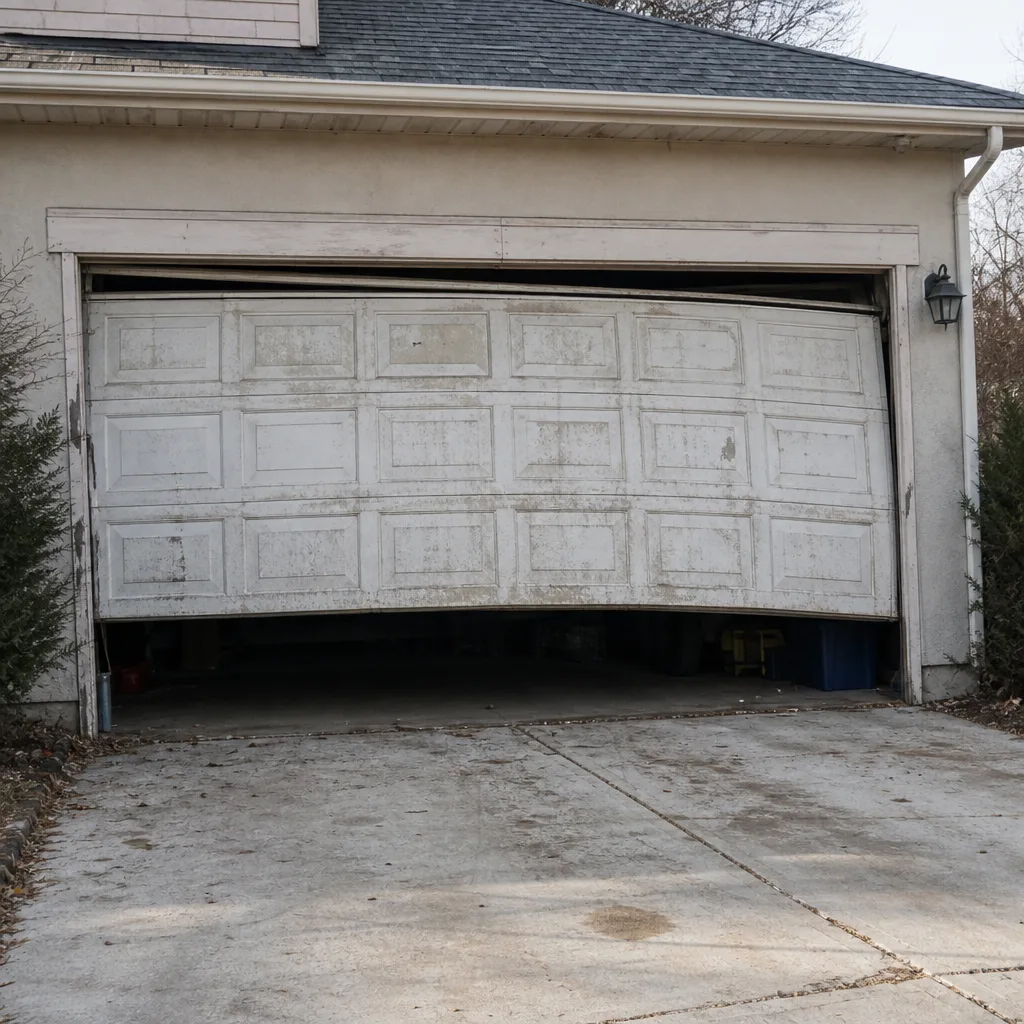 Before
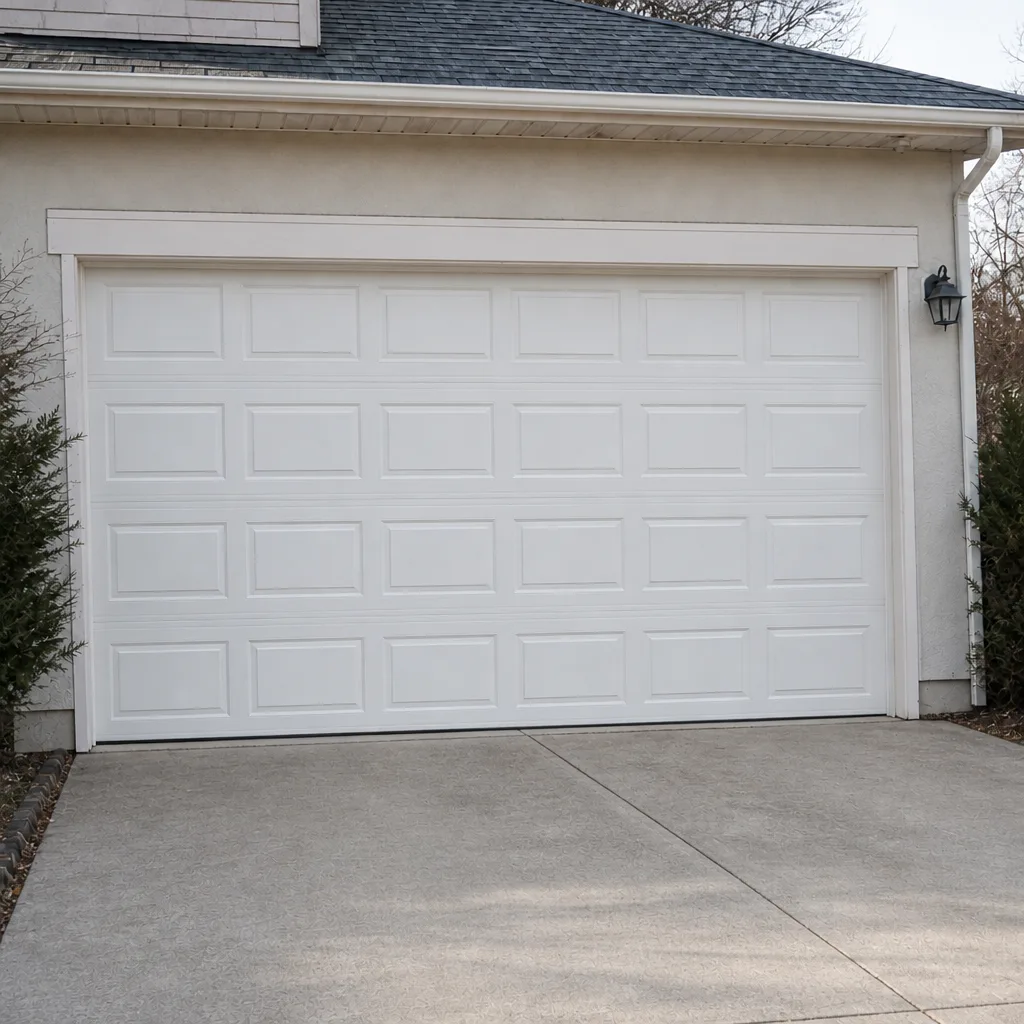 After
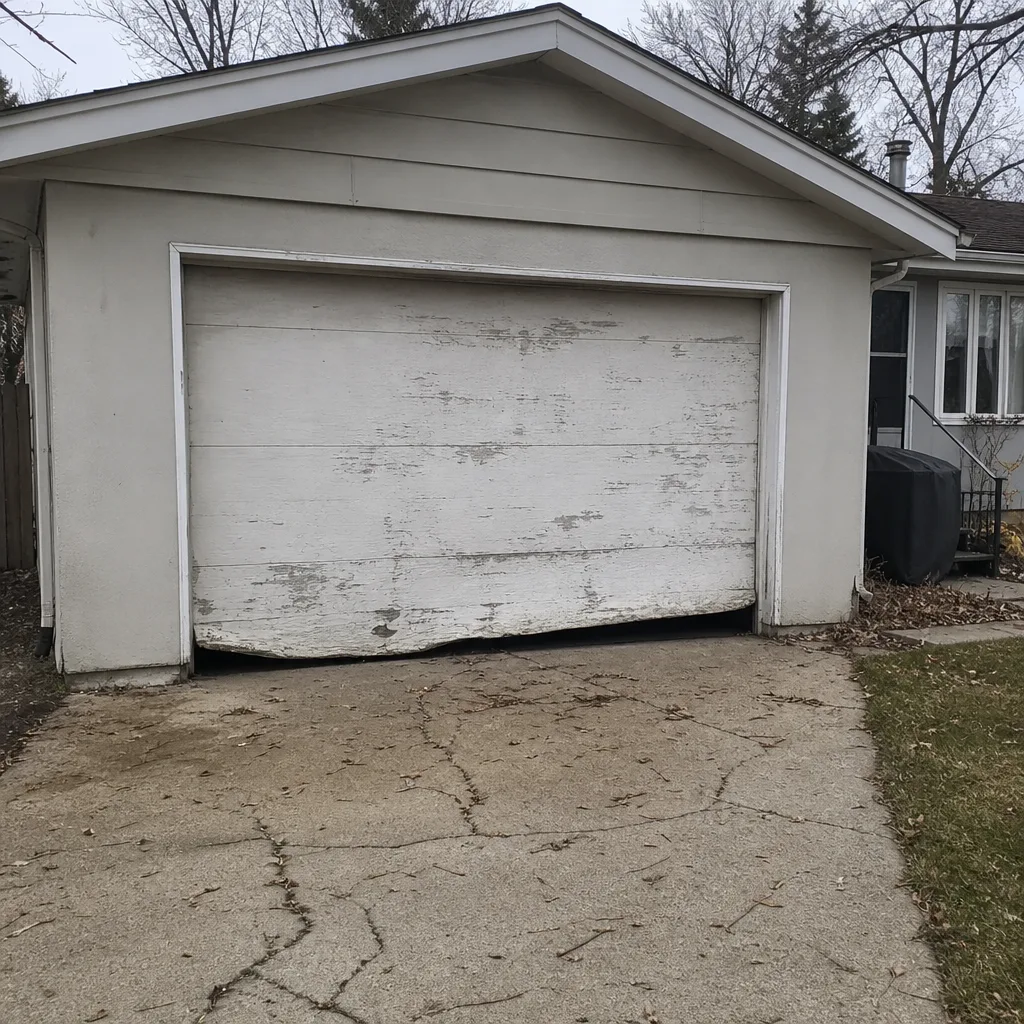 Before
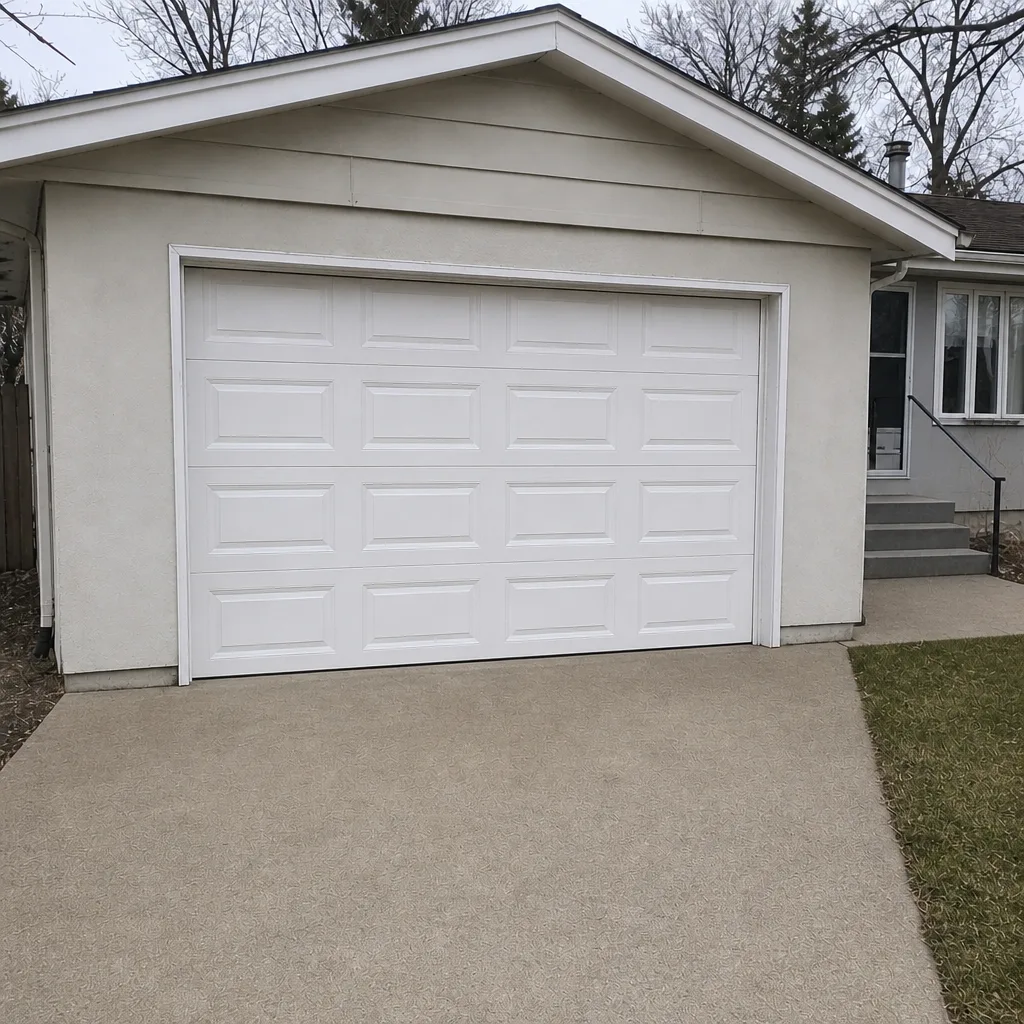 After
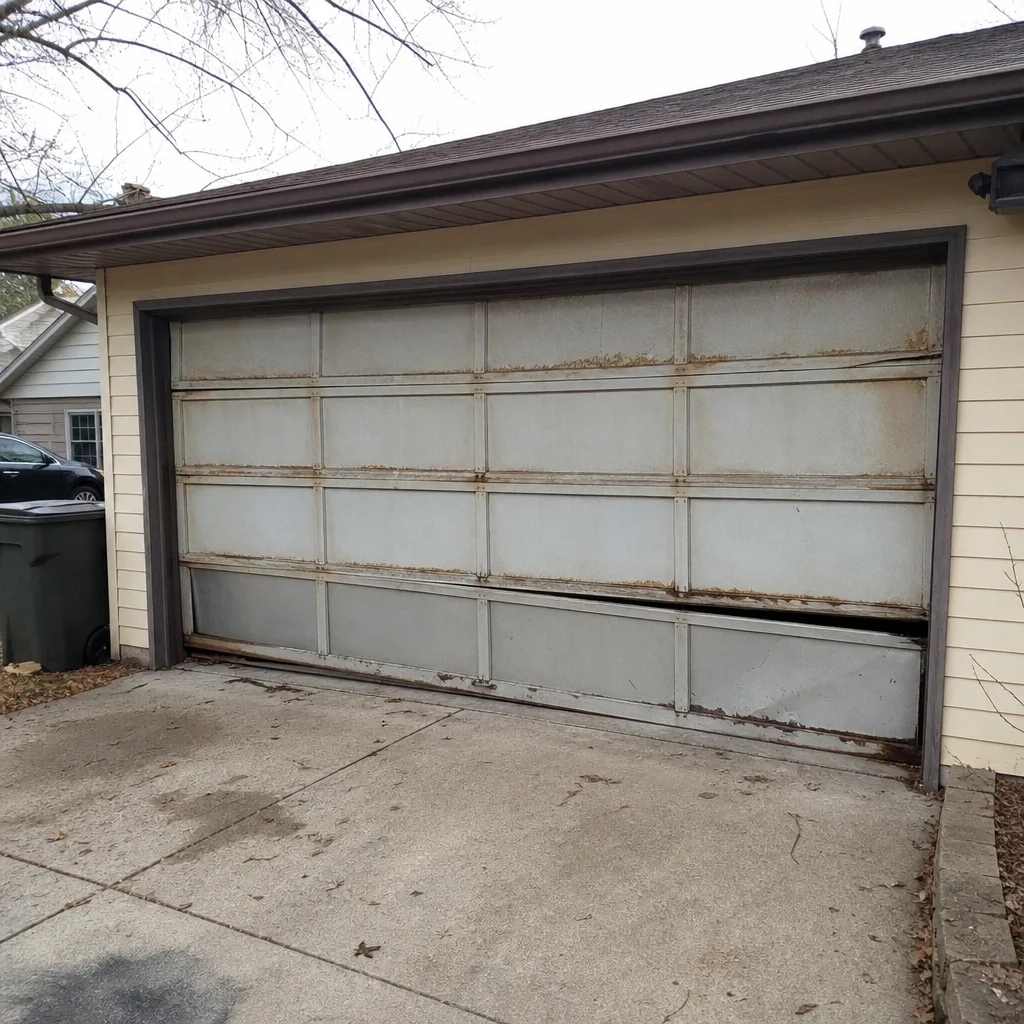 Before
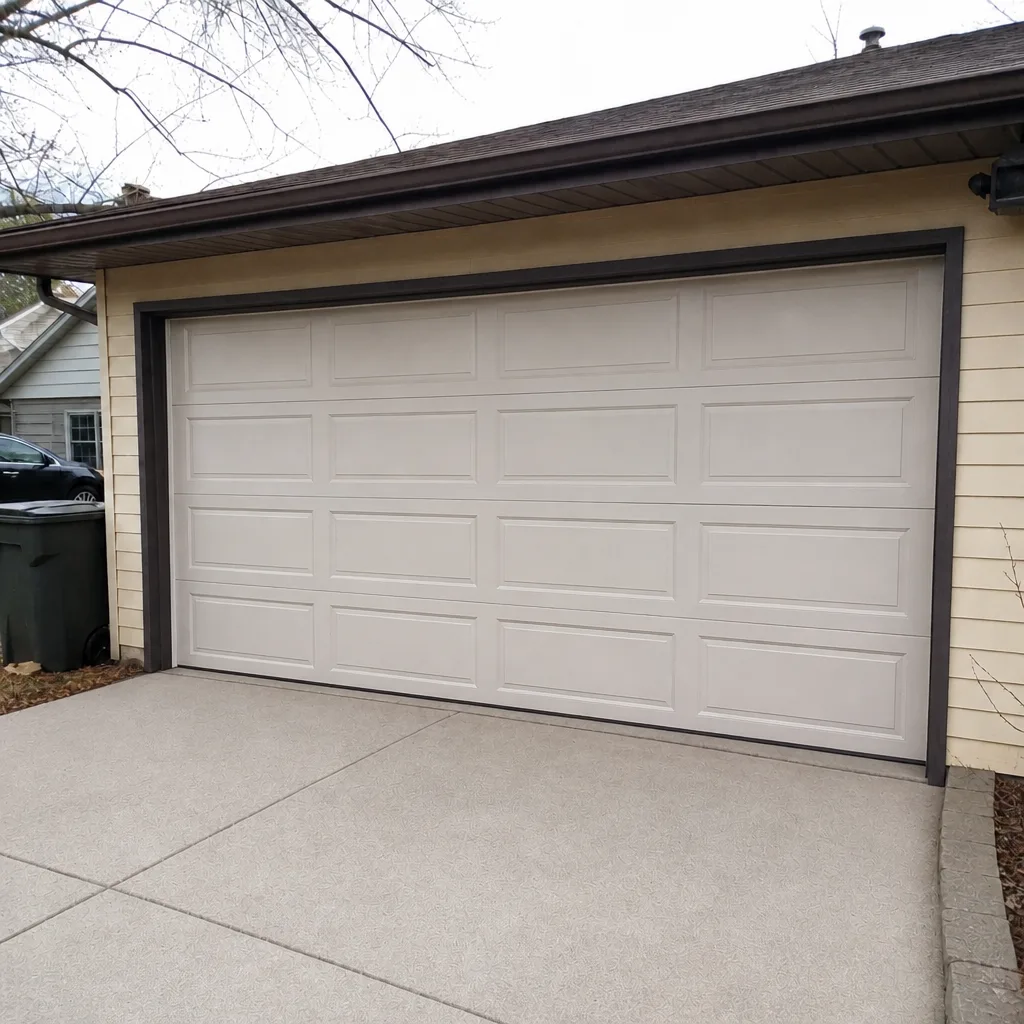 After
When to Call a Professional
Some brand-related decisions are judgment calls you can make alone. Once you’re pulling the door apart, it’s time to call. Call us when:
- A spring has snapped, stretched, or shows fatigue; this is the most dangerous repair in the trade.
- Your opener is straining, reversing, or failing to lift the door at cold temperatures.
- You’re deciding between repair and replacement and want an honest read on the door you have.
- Your garage door is stuck open or jammed shut and needs emergency attention.
- You’ve picked a door and want to be sure the installer’s brand authorization protects the warranty.
- You’re matching a new opener to a heavier door and want the sizing done right.
Garage Door Repair Uptown offers free estimates in Uptown, call (855) 337-1679. Garage doors are all we do, so the technician who shows up knows the brand in front of them.
Frequently Asked Questions
The best brand depends on your garage. Clopay and Amarr offer strong insulation options for heated attached garages; Wayne Dalton fits the tight openings of older Uptown detached garages well. Match the door to the building before you match it to the brochure. Call (855) 337-1679 for an exact quote on your specific garage; estimates are free.
Only if your garage is attached, heated, or used as living or working space. If it is, insulation is doing real work. If your garage is detached and unheated, a modestly insulated door with good seals gets you most of the benefit, and a heavier door just loads the opener.
Yes. A brand with certified dealer support in Uptown gets parts from the manufacturer’s catalog directly. A brand without that footprint forces a substitute or a longer wait. That’s the difference between a same-week fix and a same-month fix when something fails.
Usually not. Most manufacturer warranties exclude improper installation and unapproved hardware. The coverage you pay for is tied to the installer. A door installed out of square ages faster than the warranty was written for. Have a certified installer do the work.
Cold thickens grease, stiffens seals, and raises the force needed to lift the door. An opener undersized for the door strains in the cold. Match horsepower to door weight. If your opener is failing, call (855) 337-1679; estimates are free.
Yes, our technicians are trained garage door specialists, and the local pro is licensed and insured as the state requires. Our technicians have up to 12 years of experience working on the brands in your garage. Call (855) 337-1679 to schedule a free estimate.
The Bottom Line
Brand selection for an Uptown garage door isn’t about advertising. It’s about engineering fit. Match insulation rating to your garage type (attached and heated vs. detached and unheated), match steel gauge and cycle life to how often you use the door, match opener horsepower to the door’s weight, and match the brand to an installer whose authorization protects the warranty. The doors that hold up in Uptown’s winters are the ones whose specs match the conditions on your lot. If you want the read on your own garage, call (855) 337-1679 for a free estimate.
Written by the team at Garage Door Repair Uptown.