Last updated November 22, 2026
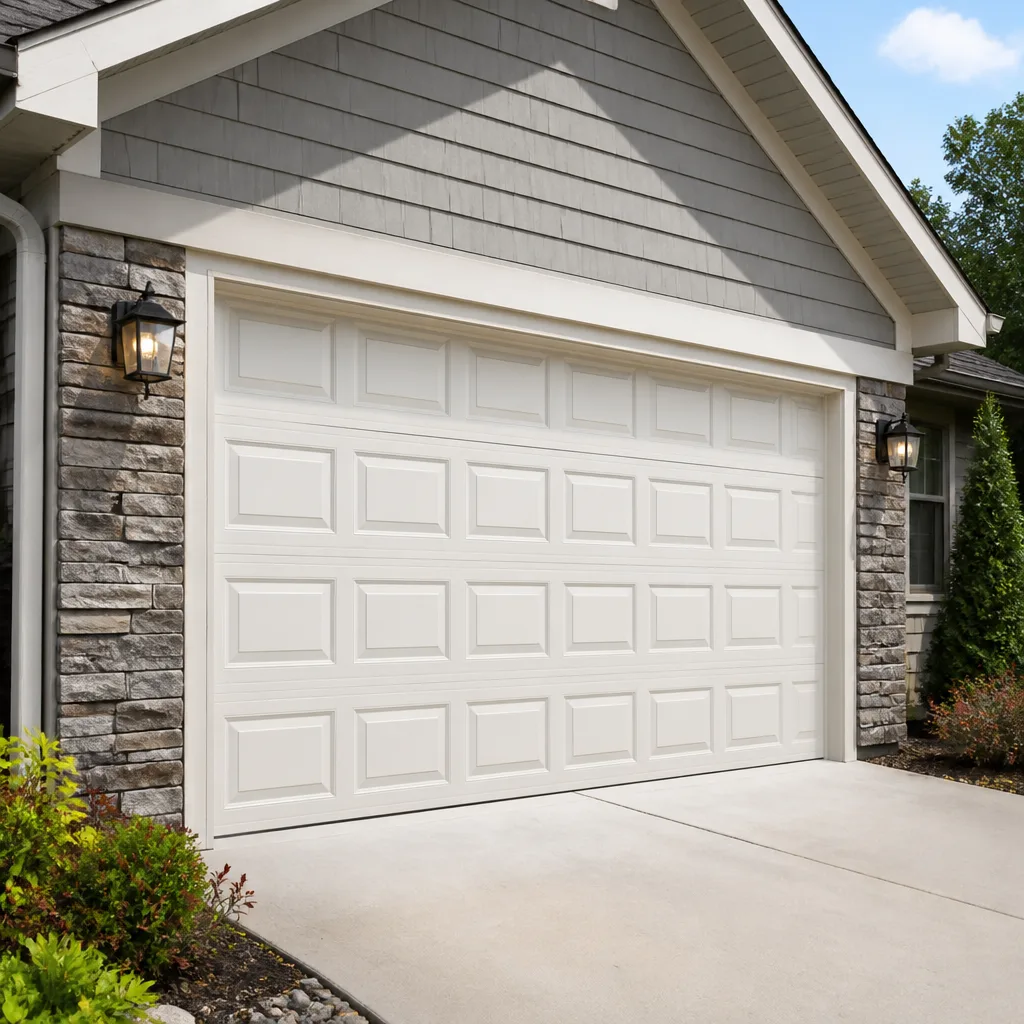 Raised-panel steel
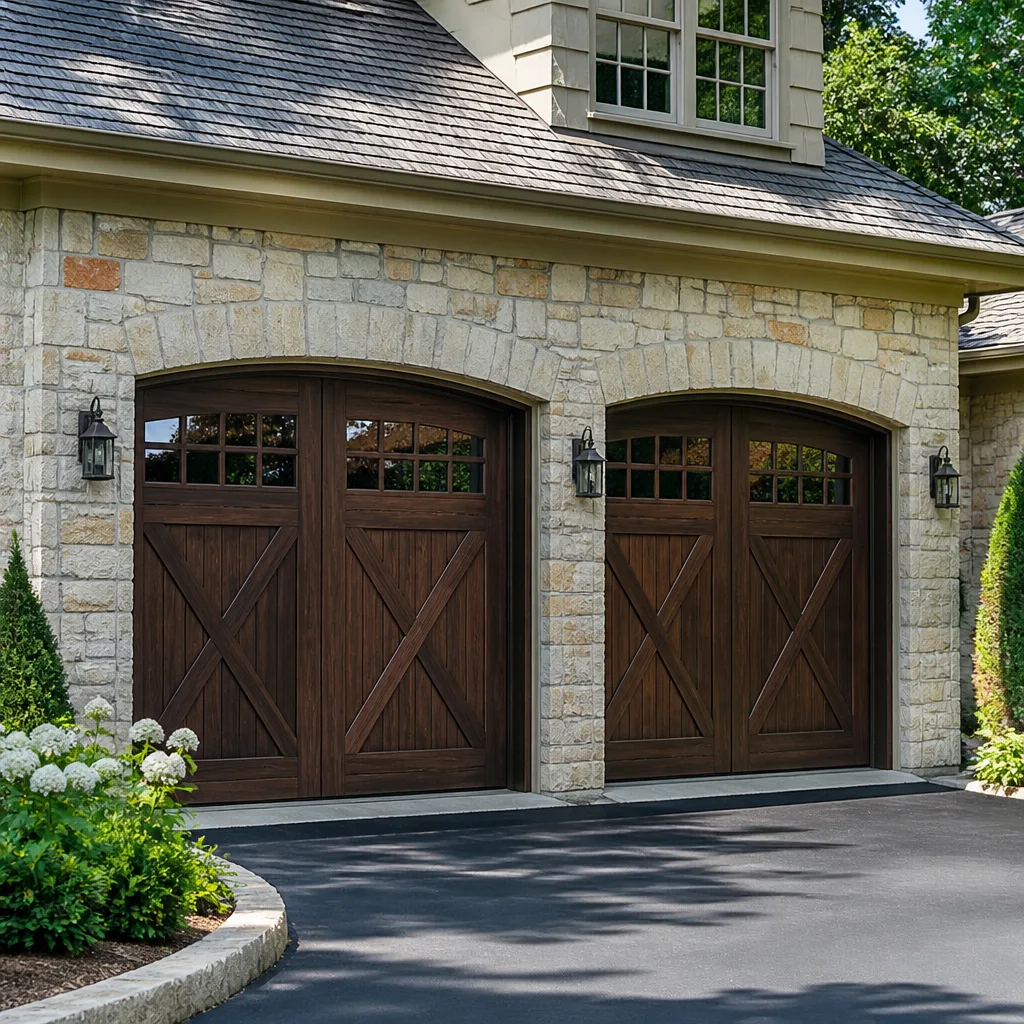 Carriage house
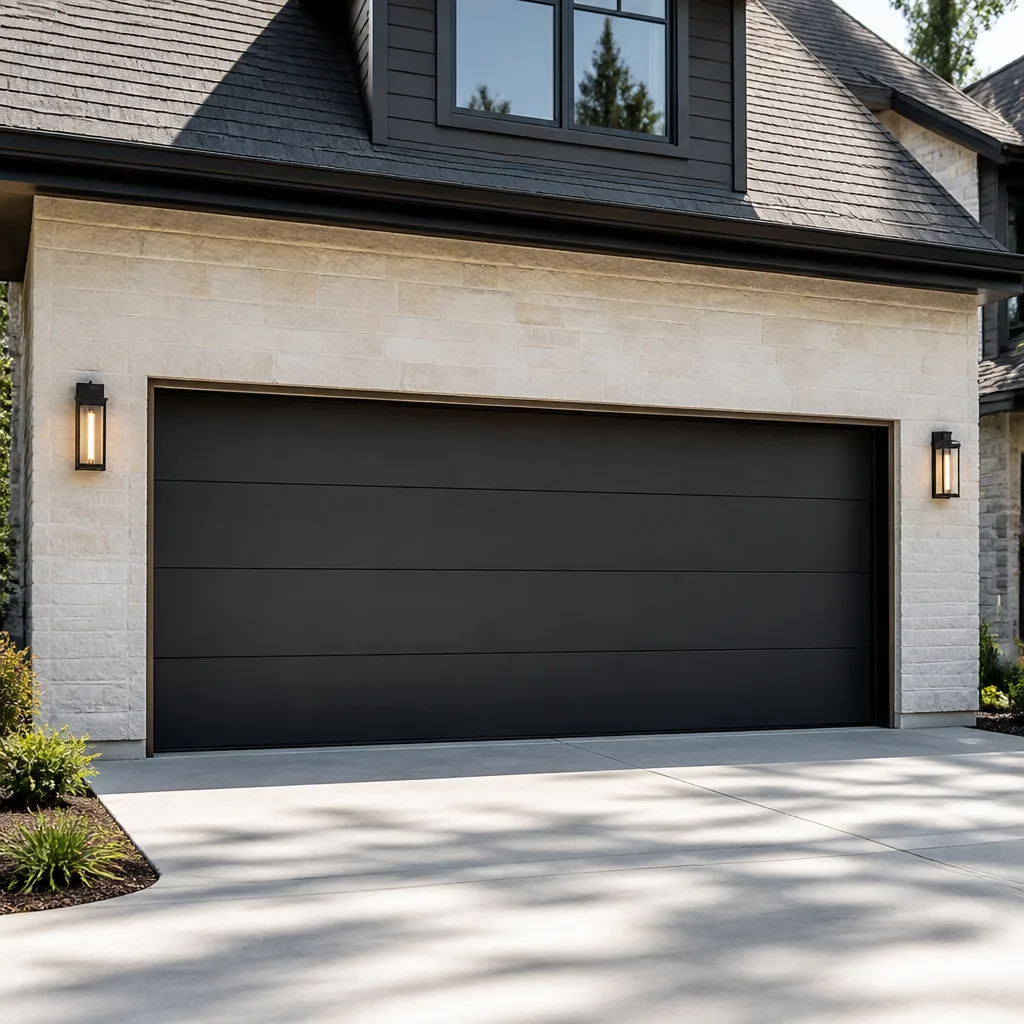 Modern flush
 Full-view glass
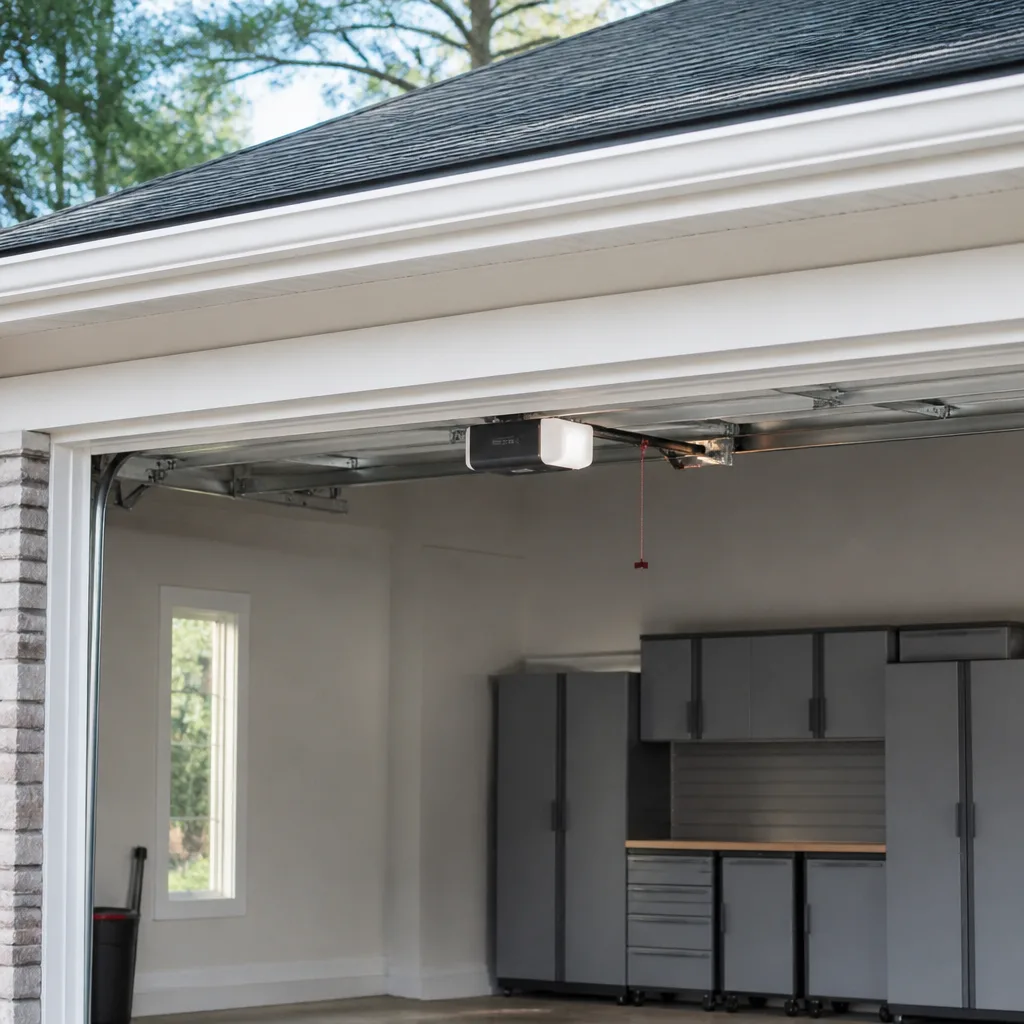 LiftMaster openers
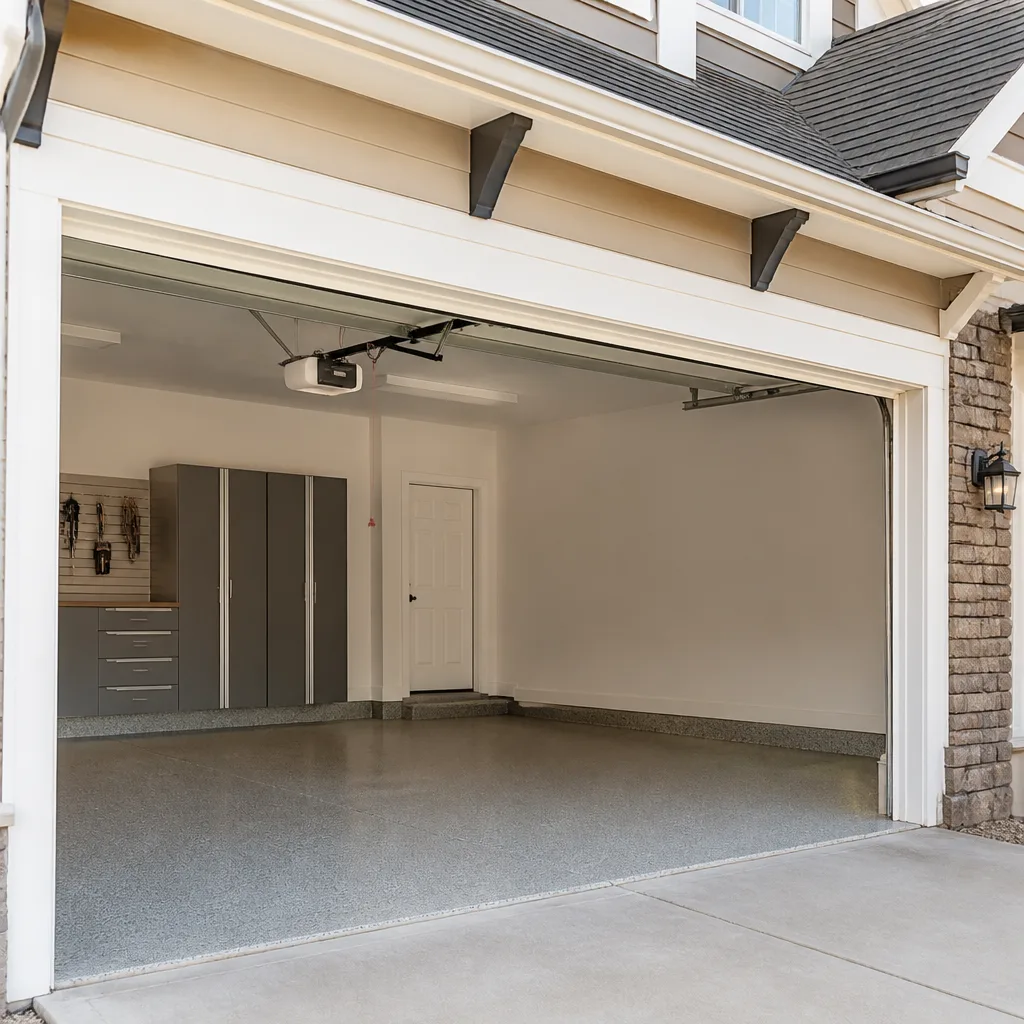 Chamberlain openers
Full 25-point door and opener safety check with every visit - springs, cables, rollers, tracks, and your LiftMaster or Chamberlain opener included
You get a price before we start. It does not change when the pro arrives.
Get your free estimateHow to Hire a Garage Door Contractor in Uptown: A Step-by-Step Guide
Most people hire a garage door contractor the same way they hire a painter: get three quotes, pick the middle one, hope for the best. That approach works for painting a hallway. It doesn’t work for a torsion spring holding several hundred pounds of tension above your car. Garage doors are a narrow, mechanical, genuinely dangerous trade, and the questions that matter when you’re vetting a contractor are different from the ones you’d ask a general remodeler.
Here’s the twist: the most expensive garage door contractor in Uptown isn’t the one quoting the highest number. It’s the one quoting the lowest and making it back on parts you didn’t need. This guide walks you through how to tell the difference, line by line, before anyone touches your door.
Quick Answer
To hire a garage door contractor in Uptown, verify three things before you book: that they work on garage doors as their primary trade (not as an add-on to general handyman work), that they’re familiar with the specific brand and model already in your garage, and that their written quote itemizes parts and labor separately so you can see what you’re actually paying for. Ask for the quote in writing, ask what happens if the diagnosis changes once the door is opened up, and never approve a repair on a verbal estimate alone.
Styles & brands we work with
- Raised-panel steel
- Carriage house
- Modern flush
- Full-view glass
- LiftMaster openers
- Chamberlain openers
Table of Contents
- Specialist vs. Handyman: Why the Distinction Matters
- Brand Authorization and What It Actually Tells You
- How to Read a Garage Door Quote Line by Line
- The Three Upsells Uptown Homeowners Get Pushed Most Often
- Questions That Reveal Whether They Know Garage Doors
- Vetting a Contractor for Emergency Service
- Is Your Contractor Actually Local to Uptown?
- Where Safety Boundaries Should Sit
Specialist vs. Handyman: Why the Distinction Matters
A garage door is not a door. It’s a counterbalanced mechanical system with springs under extreme tension, cables, rollers, hinges, and a track that has to be aligned within tight tolerances or the whole thing binds and fails. A handyman who’s good at drywall and light plumbing is not equipped for this, even if he’s honest and affordable. The failure modes are different, the tools are different, and the consequences of getting it wrong are different.
When you’re vetting contractors in Uptown, the first filter is simple: is garage door work their whole business, or a side offering? A specialist will answer brand and model questions without hesitation. A generalist will get vague fast.
What to look for:
- Single-trade focus. A garage door company’s entire operation should be doors, openers, springs, and installation. That depth shows up in how quickly they diagnose a problem over the phone.
- Brand familiarity stated up front. If a contractor can’t tell you whether they work on Genie or Clopay systems without checking, that’s information.
- Willingness to talk through the mechanics. A specialist can explain why a door reverses halfway up, or why a spring snapped after a cold snap, in plain language.
- Clear scope of services. Repair, opener work, spring replacement, and new installation should all be handled by the same company, not subcontracted out mid-job.
This is the core reason we focus exclusively on garage doors at Garage Door Repair Uptown. When a technician’s entire working life is spent on torsion springs, openers, and track alignment, the diagnostic process is faster and the recommendations are grounded in what actually fails on these systems.
Brand Authorization and What It Actually Tells You
“Authorized to service” is a phrase worth understanding before you take it at face value. It means the contractor has been trained on and is recognized to work with a manufacturer’s specific systems, which matters because a Clopay door and an Amarr door have different hardware, different spring configurations, and different failure points. A technician who knows one brand deeply doesn’t automatically know the other.
Most garages in Uptown have one of a handful of major systems in them. Being familiar with the common ones isn’t a marketing claim, it’s a practical requirement:
- If your opener is a LiftMaster or Chamberlain, the logic board and travel-limit settings behave a specific way, and generic troubleshooting won’t get you there.
- If your door is a Wayne Dalton, the spring and hinge assembly is built to that manufacturer’s tolerances, not a universal standard.
- If your door is a Genie system, the safety-reverse sensors have their own calibration quirks.
We’re authorized to service and repair eight major brands: LiftMaster, Chamberlain, Genie, Clopay, Amarr, Wayne Dalton, Craftsman, and Raynor. That coverage exists because those are the systems people actually have in their garages in Uptown and the surrounding Minneapolis neighborhoods.
How to verify brand familiarity before you book
- Look at the label on your opener or the sticker on the inside of your door panel.
- Tell the contractor the brand and model when you call.
- Listen for whether they ask a follow-up question about the specific symptom or immediately propose a solution. The first answer suggests real familiarity; the second suggests a script.
If you’re not sure what you have, most specialist companies can identify it from a photo or a description. That’s a reasonable test of whether they know the hardware or are guessing at it.
How to Read a Garage Door Quote Line by Line
The written quote is where most hiring decisions succeed or fail. A good garage door quote itemizes parts and labor separately, names the brand and type of part going in, and states clearly what happens if the diagnosis changes once the door is opened up. A bad quote says “spring replacement – $X” and nothing else.
Ask for these line items specifically:
- Spring type and count. Torsion or extension, and whether it’s one spring or a matched pair.
- Individual part prices. Springs, cables, rollers, hinges, bearings, and drums should each appear separately if they’re being replaced.
- Labor. Broken out from parts, not bundled into a single number.
- Disposal. Old springs and hardware have to go somewhere, and some quotes bury that cost.
- What’s not included. A good quote tells you what it’s not covering, so there are no surprises later.
Why the lowest quote is usually the most expensive
A quote that comes in dramatically below others on the same repair is almost always cutting something. Common shortcuts:
- Using a single undersized spring where a matched pair is standard, which means the spring wears out faster and you’re back to square one sooner.
- Reusing cables, drums, or bearings that are already worn because they weren’t visibly broken.
- Skipping the balance and safety-reverse check once the visible symptom is fixed.
None of those shortcuts show up on the invoice. They show up a year or two later when the door fails again. When you’re comparing Uptown quotes, ask what’s included in each one, not just what the total is. The written estimate is the price: once it’s agreed, it’s what you pay, so the question worth asking is what’s inside it.
The Three Upsells Uptown Homeowners Get Pushed Most Often
Door-to-door and high-pressure garage door sales have a few reliable plays, and they work because most homeowners don’t know what’s actually necessary. Here are the three we see pushed most often in Uptown, and how to tell when each one is genuine versus a sales tactic.
1. Cable drum replacement during a spring job
Cable drums wear out, but they don’t fail on the same schedule as springs. If a contractor says the drums need replacing alongside the springs, ask to see the wear. Grooves worn into the drum, or a cracked flange, are real problems. “We always do these at the same time” is a pricing strategy, not a diagnosis.
2. Full opener replacement instead of repair
Openers do wear out, but a dead opener isn’t always a dead unit. Common failures like a burned-out logic board, a stripped gear, or a misaligned safety sensor are repairable for a fraction of replacement cost. A contractor who jumps straight to replacement without diagnosing the actual fault is either guessing or upselling. See the difference in how garage door opener repair is approached when the goal is diagnosis first.
3. “Lifetime” hardware packages
No spring lasts a lifetime, and no reputable manufacturer claims that. “Lifetime” in a garage door context usually means a specific warranty term the installer defines on their own paperwork, not a part that will genuinely outlive the door. Ask what the actual warranty is, who honors it, and for how long. If the answer is vague, the “lifetime” claim is doing the selling, not the part.
Questions That Reveal Whether They Know Garage Doors
You don’t need to become a garage door expert to vet a contractor, you just need to ask questions where a generalist gets exposed. These five do most of the work.
- “What’s the brand and model of my opener, and what’s the most common failure point on it?” A specialist answers this from memory for common models. A generalist asks you to read them the sticker.
- “If the spring breaks while you’re working on it, what happens?” The answer should describe their process for controlled release and safety equipment. Vague reassurance is a red flag.
- “Are you doing the work yourself, or is someone subcontracting it?” Some companies book the job and send an unfamiliar crew. You want to know who’s actually showing up and whether that person is trained on garage doors.
- “What’s included in the quote, and what happens if you find something else once the door is open?” The answer should describe a process for pausing and re-quoting before proceeding, not a blank check.
- “How do you handle safety-reverse testing after the repair?” Every completed job should end with a safety-reverse check. If they don’t have a routine answer, safety isn’t part of their process.
In our experience, the contractors who answer these smoothly are the ones who’ve been doing garage door work long enough that the answers are automatic. Our technicians have up to 12 years of experience with these systems, and the conversation with a genuinely experienced technician sounds different from the one with a salesperson working from a script.
Vetting a Contractor for Emergency Service
A door stuck open is a security problem. A door stuck shut is a safety problem. Neither one is a situation where you want to spend two days comparing quotes. But “emergency availability” is easy to advertise and harder to verify, so here’s how to check before you need it.
- Ask how they define emergency service. A company that treats it as a real service line will describe their process. One that says “we can get there sometime tonight” is fitting you in around other jobs.
- Ask what a technician can actually do on the first visit. Most repairs can be diagnosed and completed in a single visit, which matters in an emergency because a second appointment means another night with a stuck door.
- Ask how they’ll handle a door that can’t be fixed immediately. Disconnecting the opener and manually securing the door so it’s not a security risk overnight is a legitimate interim step. Ask if that’s something they’ll do.
- Confirm the price is agreed before work starts, even in an emergency. Urgency is not a reason to skip the written estimate. The price is quoted and agreed before any work begins, full stop.
For Uptown homeowners with a door that can’t wait, emergency service exists specifically for this kind of situation. Stuck open or stuck shut, the response should be fast and the price should still be clear before anything gets touched.
Is Your Contractor Actually Local to Uptown?
This one is worth checking, because “local” gets used loosely. A company can advertise in Uptown while dispatching from a distant suburb, which means longer response times, weaker familiarity with the housing stock, and a higher chance of being handed to a subcontractor.
How to tell:
- Ask where the technician is coming from on the day. A direct answer is a good sign. A vague one usually means the dispatcher isn’t close by either.
- Ask about Uptown-specific housing. The neighborhood’s mix of older homes, carriage garages, and recently renovated properties means doors and openers vary more than you’d find in a uniform suburban subdivision. A local contractor will recognize that.
- Check how they talk about response time. A contractor familiar with Uptown traffic patterns and street layouts gives realistic arrival windows. One dispatching from far out will be optimistic and then late.
- Ask if the person quoting the job is the person doing the work. Local specialists usually have a regular crew. Larger operations dispatch whoever’s available.
Minneapolis winters are hard on garage door hardware. Cold snaps put extra stress on springs, and freeze-thaw cycles affect how tracks and weather seals hold up. Contractors who work in Uptown regularly see these seasonal patterns and can often predict a failure mode before it happens just from the description of the symptom. That kind of local pattern recognition doesn’t come from a dispatch center in another county.
Where Safety Boundaries Should Sit
Torsion springs hold several hundred pounds of stored energy. When one fails or is improperly released, it can cause serious injury in a fraction of a second. There is no version of spring replacement that’s safe to attempt without proper winding bars, proper training, and the right technique. This isn’t a warning designed to sell you a service, it’s a statement of fact about the physics.
What this means for hiring:
- Never approve a contractor who offers to “take a look” at a broken spring without proper tools and a clear safety process.
- If a technician shows up without winding bars, that’s a stop-the-job signal.
- If you have a door with a snapped spring, don’t try to open or close it manually. Call a professional and leave it alone.
This is why spring repair is a core offering, not a referral. A company that does the work itself, with trained technicians, is a different kind of hire than one that books the job and sends it out. If you want to see how we approach the full range of repairs, the garage door repair service page covers what’s included in a typical visit.
Spring replacement is one of the most technically demanding repairs in the trade, and it’s a reasonable test of whether a contractor is a real specialist. Ask how they handle it. The answer tells you what you need to know.
Common Mistakes to Avoid
- Hiring on price alone. The lowest quote often means undersized springs, reused worn parts, or skipped safety checks. Ask for the itemized quote and compare what’s actually inside each one.
- Not checking what brand your garage door system is before calling. A contractor who has to look it up is one you’ll want to vet harder than one who knows it cold.
- Accepting a verbal estimate. The price needs to be written down and agreed before work starts. Anything else gives the contractor room to change the number after the fact.
- Assuming “same day” means “same price.” Emergency availability is valuable, but the estimate should still be agreed before any work begins, even when the situation is urgent.
- Approving a full opener replacement when the diagnosis is unclear. Ask what specifically failed before replacement gets discussed. A failed logic board and a failed motor are not the same repair.
- Overlooking the safety-reverse check at the end. Every completed job should include a safety-reverse test. If it’s not mentioned, ask for it.
- Hiring someone outside Uptown who won’t be back for warranty work. A local specialist is easier to hold to their work if something needs a follow-up, and they understand the housing stock better than someone driving in from far out.
See the difference
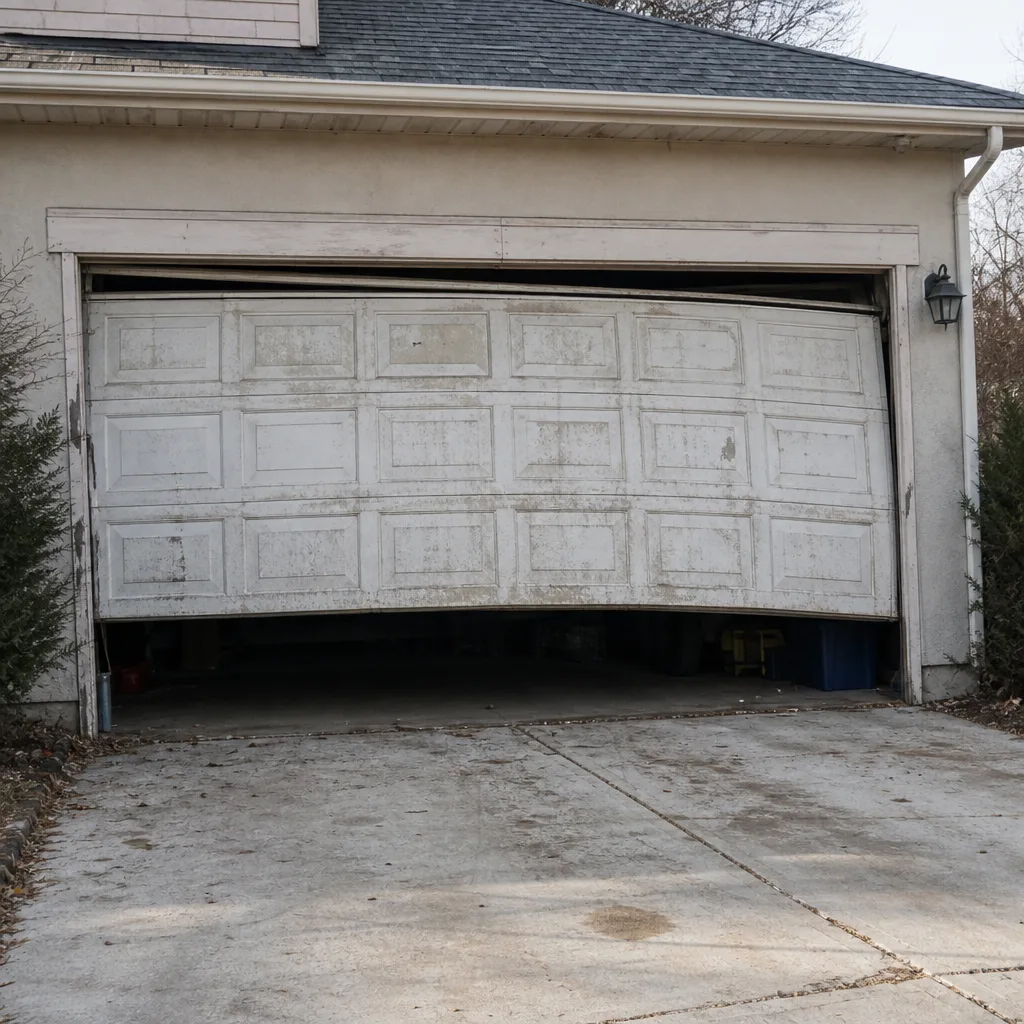 Before
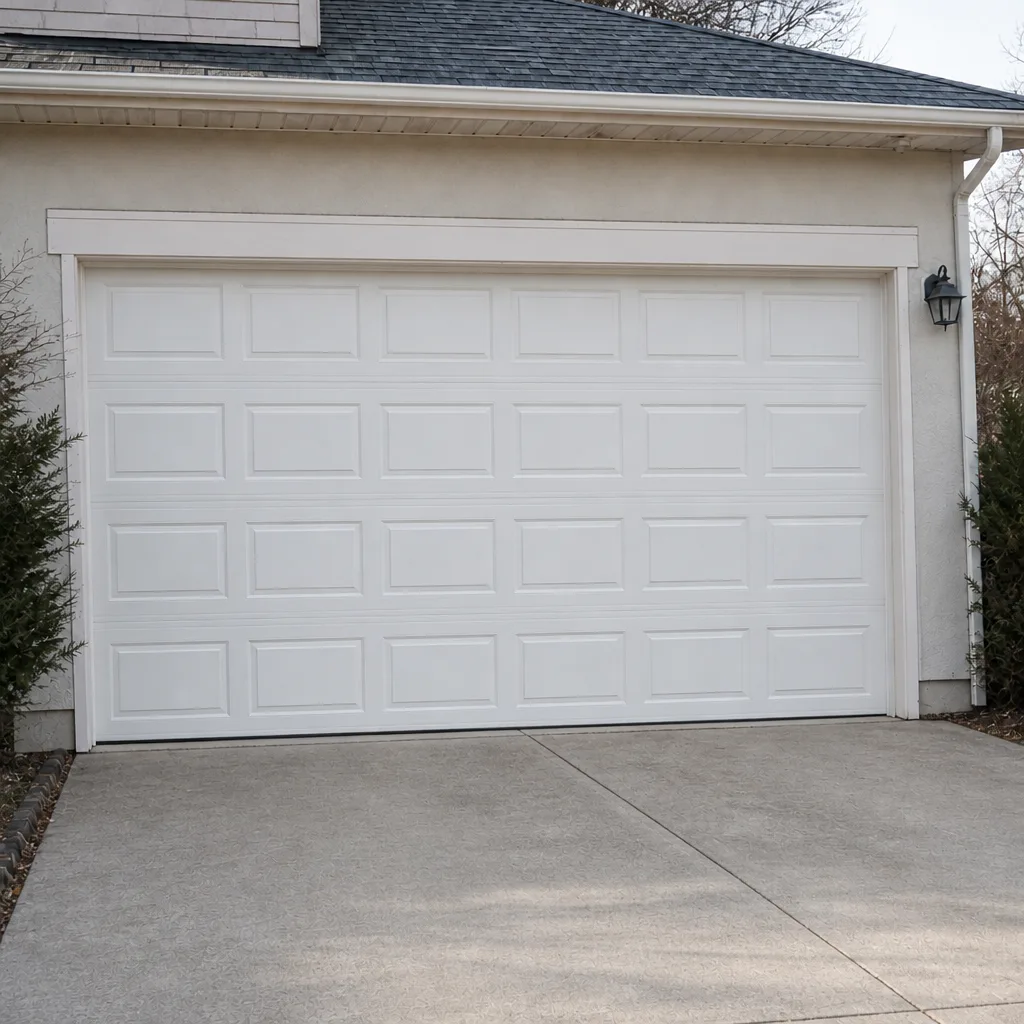 After
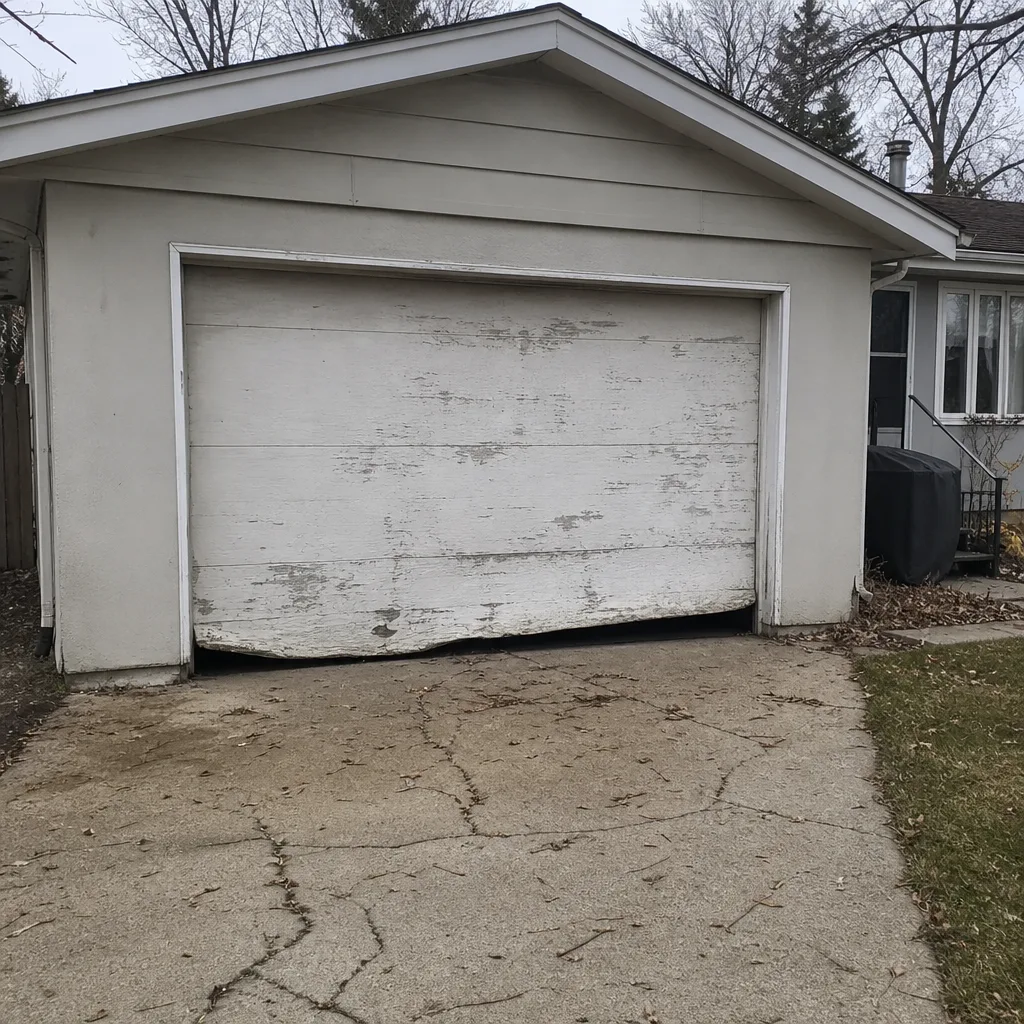 Before
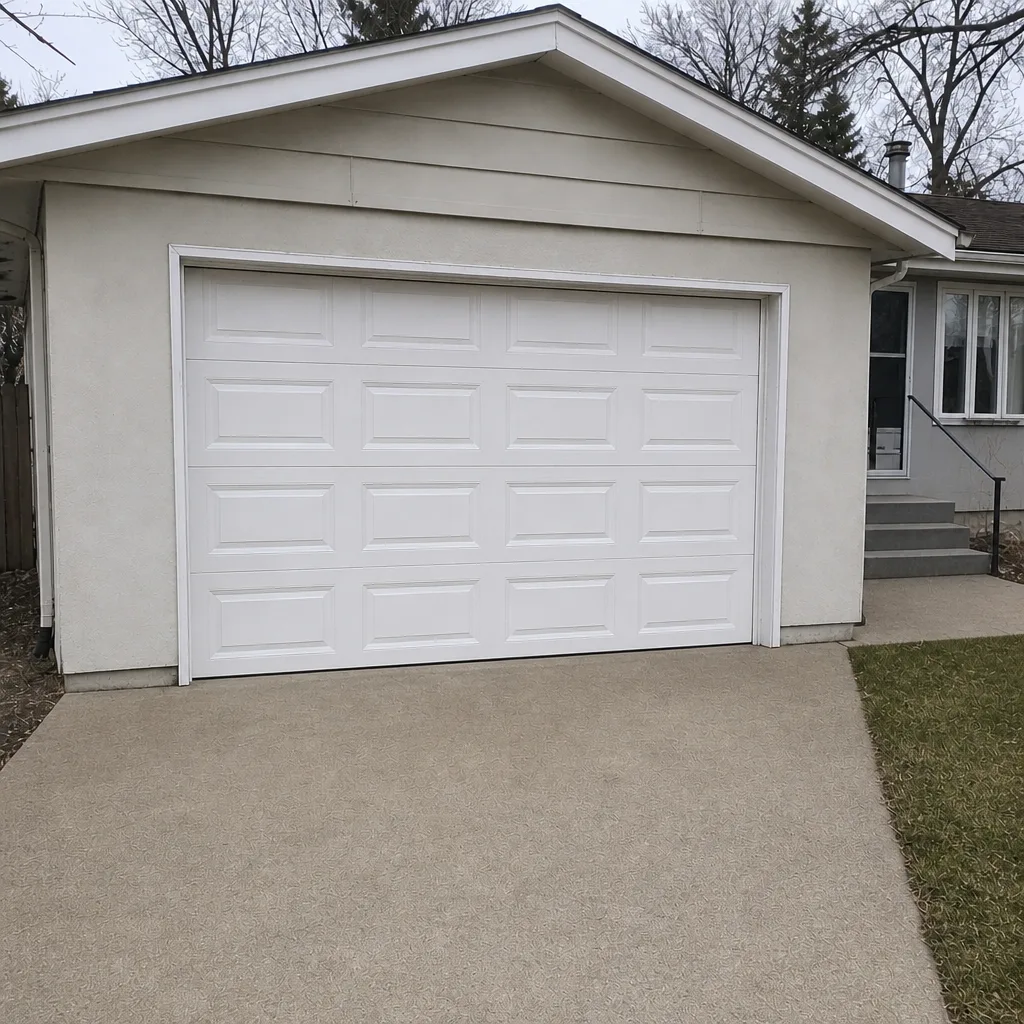 After
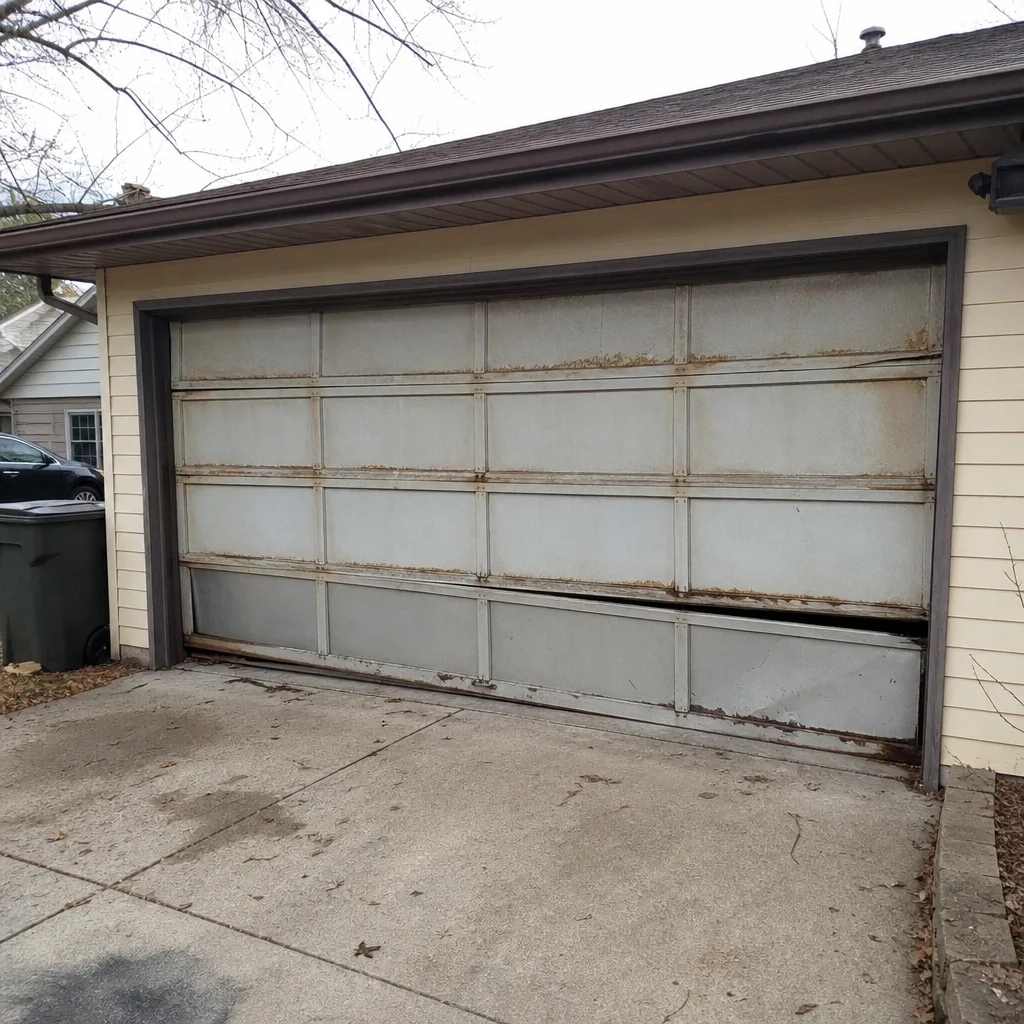 Before
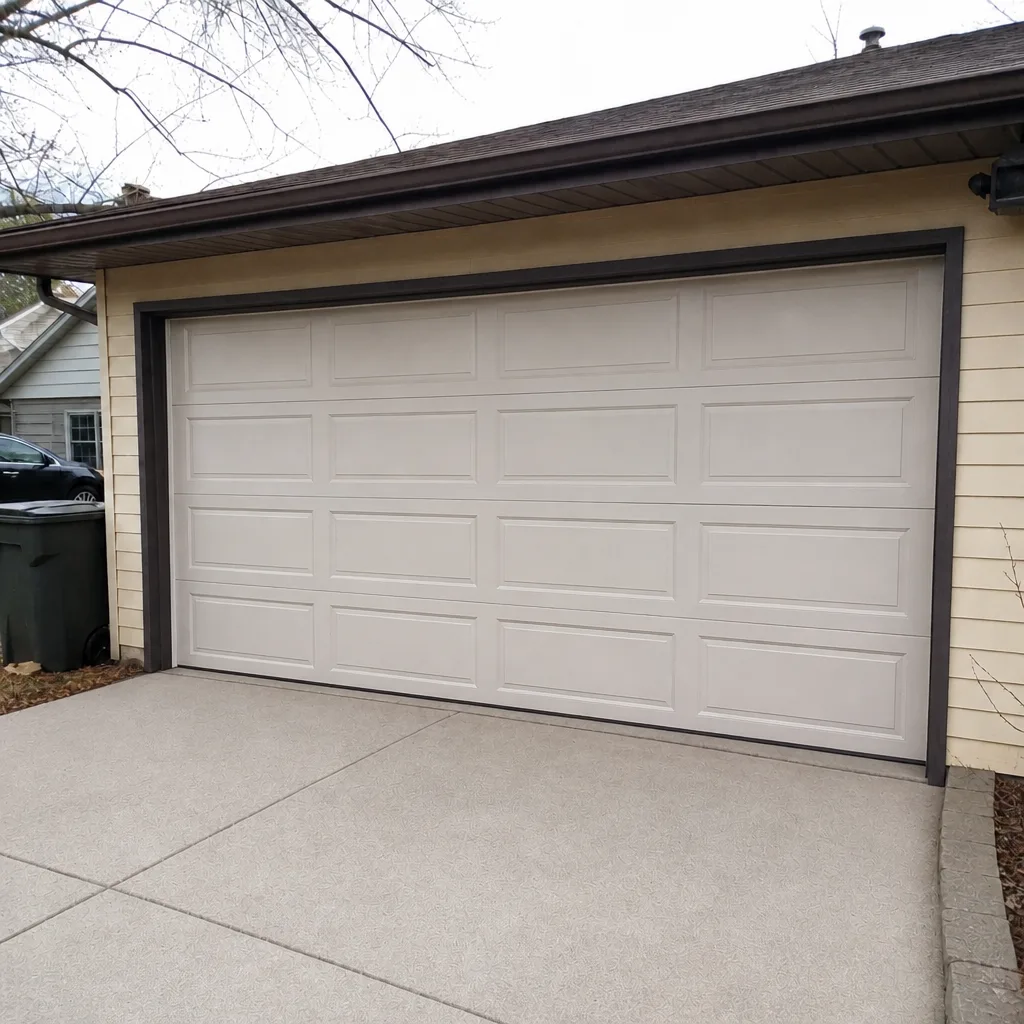 After
When to Call a Professional
Some maintenance is genuinely a homeowner task, like lubricating the rollers and checking the safety-reverse sensor. Everything else on a garage door needs a trained technician. Call a professional for: a snapped spring, a door that won’t close fully or reverses on its own, a cable that’s frayed or off its drum, a door that’s come off its track, an opener that runs but doesn’t move the door, or any situation where the door is stuck open or shut and can’t be secured. Also call if you’re considering replacing the whole door. Installation requires careful measurement and fitting against the specific framing in your garage, and a door that’s slightly wrong will not close properly. Our garage door installation service covers that end of the work when replacement is genuinely the right call, and we measure and quote in advance rather than promising a same-day swap. Garage Door Repair Uptown offers free estimates in Uptown: call (855) 337-1679.
Frequently Asked Questions
Spring replacement pricing depends on whether you have a single spring or a matched pair, the door’s weight and size, and whether related hardware needs replacing at the same time. The best way to know your price is to book a free estimate, where the technician measures the door, identifies the spring type, and gives you a written quote before any work starts. Call (855) 337-1679 for an exact quote; estimates are free.
Emergency service exists specifically for doors that are stuck open or stuck shut and can’t wait for a standard appointment. Call and describe the situation, and we’ll tell you what’s possible for your schedule. The price will still be agreed before any work starts.
No, if you have a written estimate and the diagnosis matches what was quoted. If the work turns out to be different from what was described over the phone, the technician should pause, explain what they found, and re-quote before proceeding. You should never be billed for work you didn’t approve.
Yes, the technicians we send are licensed and insured as required by state regulation. For a trade that involves this much stored mechanical energy, that’s not a formality, it’s the baseline. You can ask to see proof before work starts, and a reputable contractor won’t be surprised by the request.
Most likely yes. We’re authorized to service eight major brands, including Genie, Clopay, Amarr, Wayne Dalton, LiftMaster, Chamberlain, Craftsman, and Raynor. That covers the vast majority of systems installed in Uptown garages. If you’re not sure which brand you have, look at the label on the opener or the inside of the door panel before you call.
A garage door contractor does this work exclusively, which means faster diagnosis, familiarity with specific brand systems, and a clear process for safety-critical work like spring replacement. A handyman may be able to install a new opener or lubricate hardware, but the moment a torsion spring or cable is involved, you want someone whose training and daily work is entirely garage doors.
The Bottom Line
Hiring a garage door contractor in Uptown comes down to three things: verify the specialist focus, read the quote line by line, and confirm the price in writing before anyone touches your door. The trades that come door-to-door selling unnecessary hardware packages rely on homeowners not knowing the difference. Once you do, the decision gets straightforward. Garage doors are all we do at Garage Door Repair Uptown, which means the conversation you have with our technicians is with people who work on these systems every day, not generalists fitting in a side job. Get the free estimate, compare it against the other quotes line by line, and choose the one that itemizes what it’s actually including.
Call (855) 337-1679 for a free estimate in Uptown.
Written by the team at Garage Door Repair Uptown.