Last updated November 22, 2026
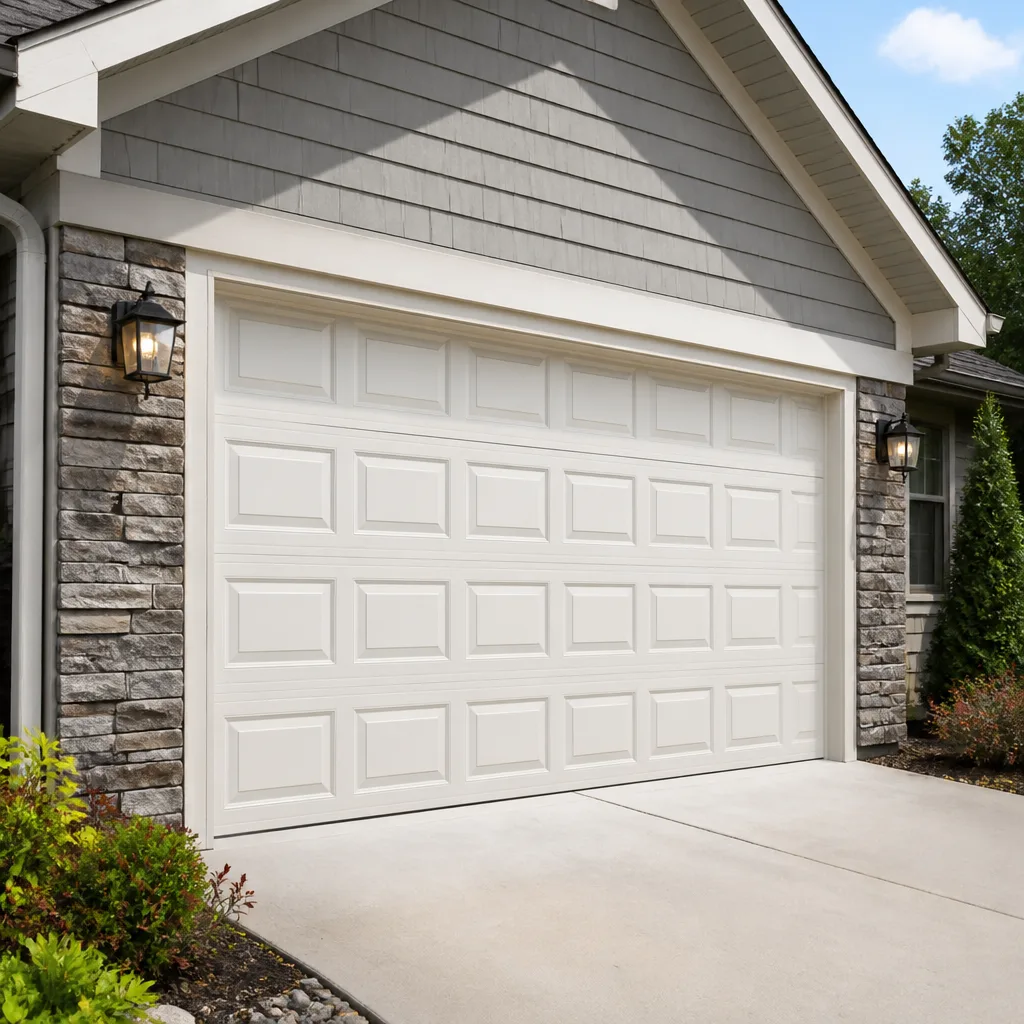 Raised-panel steel
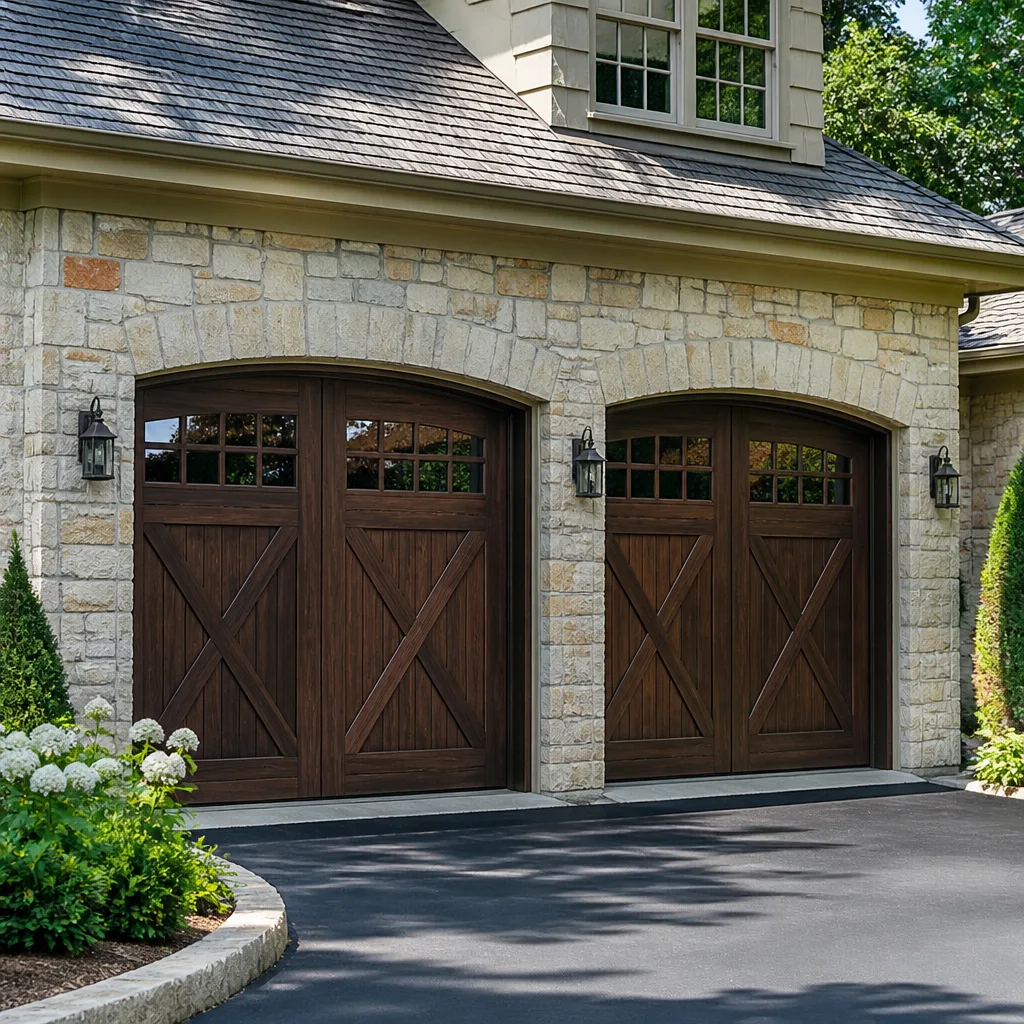 Carriage house
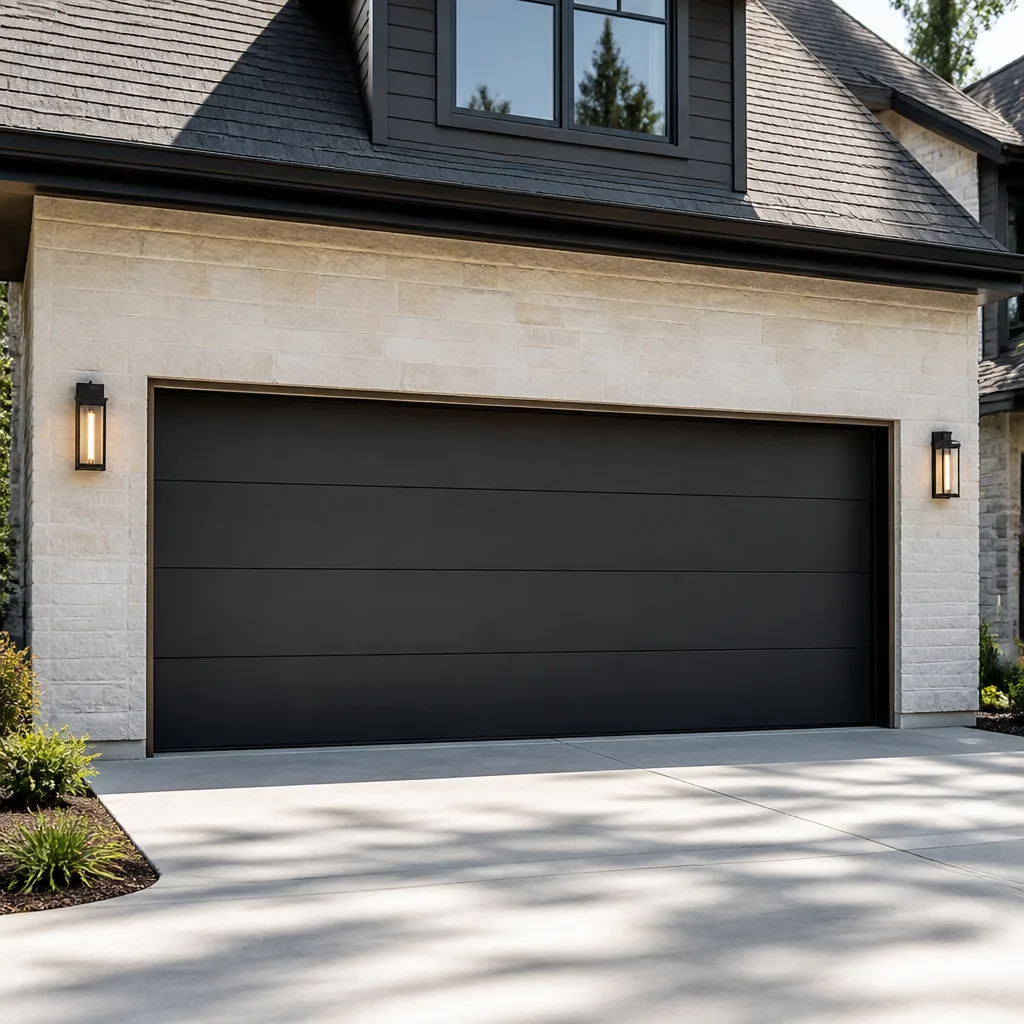 Modern flush
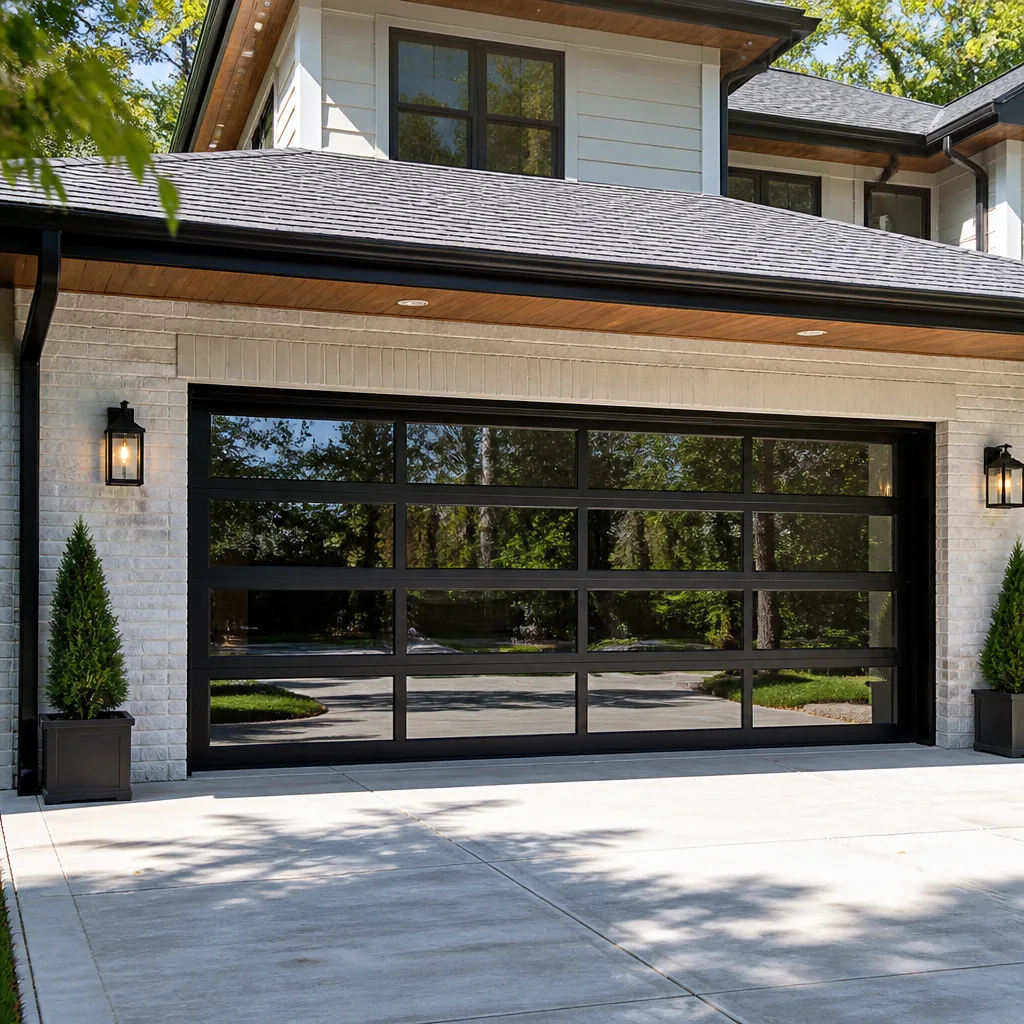 Full-view glass
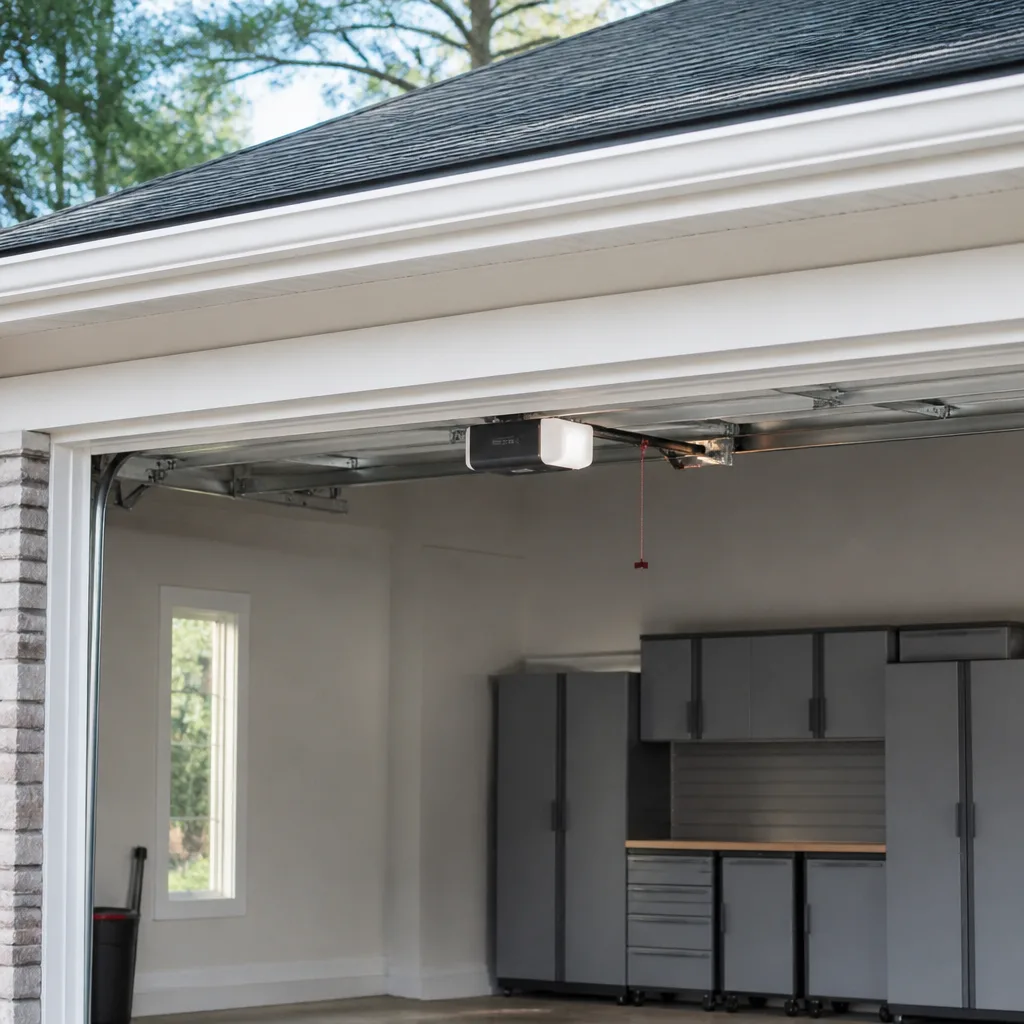 LiftMaster openers
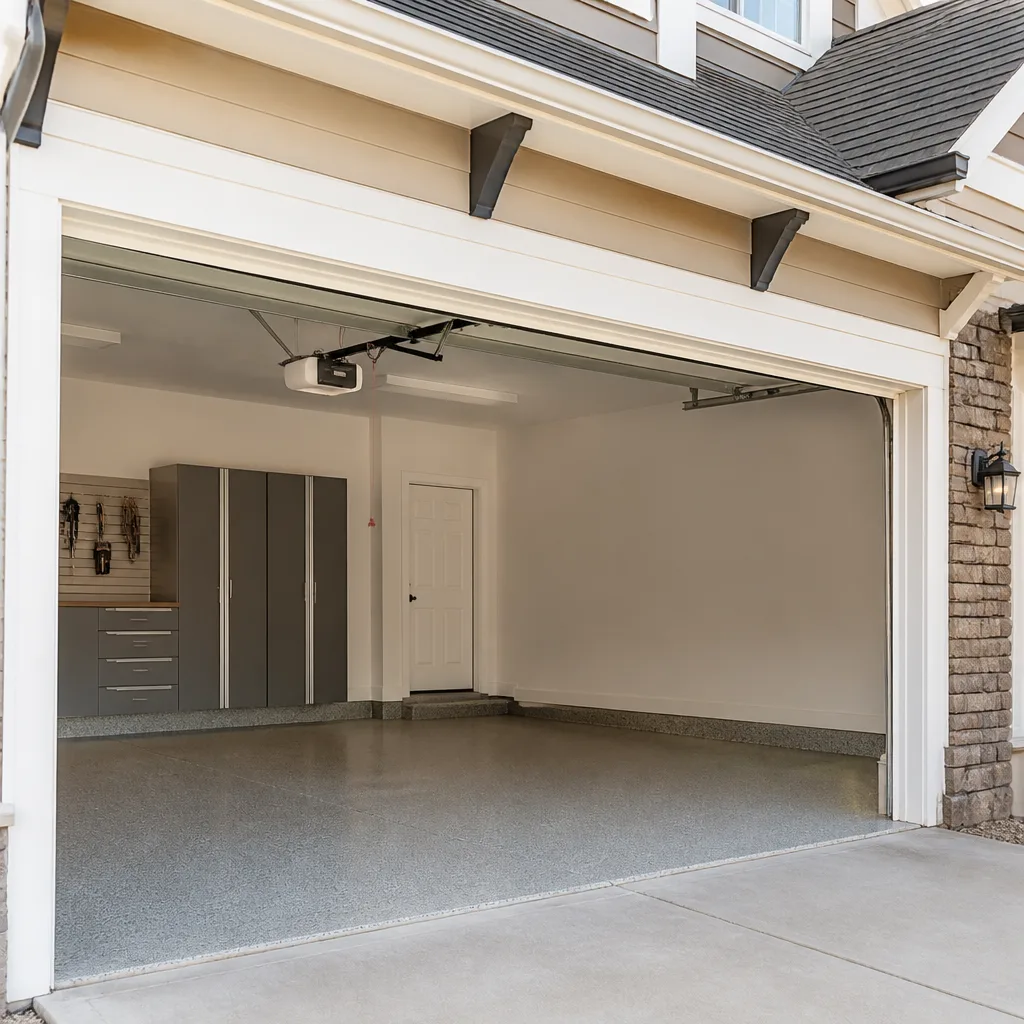 Chamberlain openers
Full 25-point door and opener safety check with every visit - springs, cables, rollers, tracks, and your LiftMaster or Chamberlain opener included
You get a price before we start. It does not change when the pro arrives.
Get your free estimateThe Complete Guide to Garage Doors in Uptown
Most garages in Uptown were built long before anyone imagined a remote-controlled door, and that single fact explains almost every strange thing you’ll find inside them. The door may have been added decades later. The opener may have been bolted onto a header that was never sized for it. The opening itself may be a few inches off from anything sold today. Walk down any alley in Uptown and you’ll see it: carriage-style doors retrofitted with modern operators, low-clearance tracks squeezed under old framing, torsion springs mounted on brackets that weren’t designed to hold them.
This guide is for the homeowner or property manager who wants to understand what they actually have before something fails. We’ll cover how Uptown’s housing stock shapes door sizing and spring configuration, how the freeze-thaw cycle near the lake treats different materials, why alley access changes what a technician can do on site, and how to audit a garage door system before you buy an older home in the neighborhood. Uptown is not a stand-in for any other Minnesota city here. The constraints are specific to this place.
Quick Answer
Garage doors in Uptown are usually retrofit systems installed into older, non-standard openings, so the right approach depends on measuring the existing rough opening and load path before choosing any door, opener, or spring. Because most Uptown homes predate automatic openers, low-headroom solutions, custom sizing, and careful spring matching come up far more often here than in newer suburbs. A specialist who works on doors every day will diagnose those constraints in one visit; a generalist often won’t.
Styles & brands we work with
- Raised-panel steel
- Carriage house
- Modern flush
- Full-view glass
- LiftMaster openers
- Chamberlain openers
Table of Contents
- Why Uptown’s Older Housing Stock Changes Everything
- How Alley-Facing Garages and Tight Clearances Affect Your Door
- Non-Standard Rough Openings and Low-Headroom Solutions
- What a Garage Door Specialist Specs That a Handyman Doesn’t
- Brands and Materials That Hold Up to Uptown’s Freeze-Thaw Cycle
- Springs, Cables, and the Safety Rules That Matter in Uptown
- How to Audit a Garage Door System Before Buying in Uptown
- Repair, Replace, or Install: How to Decide
Why Uptown’s Older Housing Stock Changes Everything
The garage door you see on a house in Uptown is rarely the door that was designed for that house. It’s the door someone could fit, afford, or find at the time. That’s the context every conversation about garage door repair here has to start from.
Look at what the typical Uptown garage actually is. It might be a converted carriage house behind a main home. It might be a single-bay structure accessible only from the alley, with walls close enough that the door track nearly touches the neighbor’s fence. It might be a garage that was originally open-air and got walled in with a door added later. Each of these creates different problems, and none of them are covered in the generic “how to choose a garage door” articles you’ll find online.
Three patterns show up again and again in Uptown:
- Retrofitted openings. The rough opening was framed for a carriage-style or swing door, then a sectional door was hung on it. Headers, jambs, and floor thresholds may be uneven or out of square.
- Mismatched components. A modern opener driving an older door, or a door hung on tracks that were meant for a lighter panel. The system works, but the parts weren’t chosen for each other.
- Low or unusual headroom. Older garages often have shallower ceiling heights than modern builds. Standard torsion setups sometimes don’t fit without modification.
We work on LiftMaster, Chamberlain, Genie, Clopay, Amarr, Wayne Dalton, Craftsman, and Raynor equipment, and in Uptown we see plenty of all of it – often side by side on the same block. That brand familiarity matters because the failure points differ by system. A Clopay sectional door from one era uses different hardware than another. A Chamberlain opener from a decade ago needs different troubleshooting than a newer LiftMaster. Knowing what’s in front of us shortens diagnosis time and prevents the guesswork that leads to repeat visits.
How Alley-Facing Garages and Tight Clearances Affect Your Door
Alley access is the defining feature of most Uptown garages, and it changes three things at once: how the door is sized, where the opener can go, and how the spring is configured.
Sizing
A door on an alley-facing garage has to open into the alley without hitting anything. That sounds obvious, but it matters when the door needs to swing past a fence, a utility pole, or a neighbor’s parked car. With a sectional door, the panel travels overhead, so the concern is headroom and backroom clearance. With a single-panel tilt door, the panel tilts up and out, which means it needs room in front of the door to swing. On a tight lot, that’s often not available, so a sectional retrofit is the practical answer even when the homeowner originally wanted something simpler.
Opener Placement
Opener placement in Uptown alleys is a real constraint. Ceiling-mounted openers need a solid mounting point at the center of the door, and older garage ceilings aren’t always built to carry one without added framing. Jackshaft openers – which mount on the side wall beside the torsion bar – solve that problem, but they only work with torsion-spring doors, not extension-spring doors. If someone installed an extension spring setup in a tight Uptown garage, the jackshaft option isn’t available until the spring system is converted. That’s a decision worth making deliberately rather than as an emergency.
Spring Configuration
Spring configuration depends on door weight and available space. Torsion springs mount above the door on a bar and are the standard for most modern installations because they’re compact and easier to balance. Extension springs run along the horizontal tracks and take up side space. In a narrow alley garage where the wall is close, torsion is often the cleaner fit. But torsion requires headroom above the door for the bar and brackets, so on a low-ceiling garage, extension springs may be the only option – or the existing system may need a modified low-headroom torsion setup.
None of these decisions are made by feel. They’re made by measuring. When we look at a garage door in Uptown, we check three numbers first: the rough opening width and height, the headroom above the door, and the backroom distance from the door to the rear wall. From those we can tell what door will actually fit, what spring system will work, and what opener type is realistic.
Non-Standard Rough Openings and Low-Headroom Solutions
Standard garage door sizes assume you’re building a garage from scratch. Uptown isn’t built from scratch. Its garages were framed by hand, often decades apart, and dimensions vary from block to block and sometimes house to house. The result is that a significant share of Uptown garages have rough openings that don’t match any stock door size.
There are three practical answers:
- Adjust the opening. If the variance is small – an inch or two on one side, a couple of inches vertically – framing can often be added to bring the opening to a standard size. This is usually the cheapest route when the structure allows it.
- Order a custom door. When the variance is larger or the opening has unusual proportions, a custom door sized to the opening is the cleanest fix. Custom doors are widely available from manufacturers like Clopay and Amarr, but they take time to order and aren’t a same-day solution. This is a measured, scheduled job.
- Use a low-headroom track and spring setup. If the issue is ceiling height rather than width, low-headroom track and a properly configured torsion spring can make a full sectional door work in a space that looks like it can’t fit one.
Low headroom is especially common in Uptown because so many garages were built into lots where the alley grade is higher than the garage floor, or the structure was added under existing second-floor framing. In those situations, the door can still travel overhead, but the track has to be reconfigured so the panels don’t bind against the ceiling. This is where an install can go wrong if it’s handled casually. A standard track hung in a low-ceiling garage will usually work for a while, then start to drag, wear the rollers unevenly, and put extra load on the opener.
If you’re working through this decision, our garage door installation page covers measuring and scheduling in more detail. And if the existing system is failing before you’ve decided, garage door opener repair is often the faster path to stabilizing what’s there while you plan the longer-term fix.
What a Garage Door Specialist Specs That a Handyman Doesn’t
The difference between a generalist and a garage door specialist isn’t skill level – it’s scope. A handyman can hang a door. A specialist knows what happens on a single-visit diagnostic, what fails first and why, and how to spec a system that will survive ten winters rather than five.
Here’s the practical gap, laid out:
- Weight and balance. Every garage door is a counterbalanced system, and the springs are matched to the door’s exact weight. A generalist often installs the door and leaves the springs as they came. A specialist calculates the required spring tension, tests balance at the manual-release point, and confirms the door holds at mid-travel.
- Opening geometry. A handyman measures width and height. A specialist measures those plus headroom, backroom, jamb square, and floor slope – because all of them affect whether the door will seal, bind, or wear unevenly.
- Opener compatibility. Openers have force and travel limits set specifically for the door they’re installed on. A generalist mounts the opener and calls it done. A specialist sets the force limits, the up/down travel stops, and the safety reverse test to confirm the door reverses on contact as it should.
- Brand-specific knowledge. We’re factory-familiar with 8 leading brands, and that matters because each one has known failure points. A LiftMaster logic board failure looks different from a Chamberlain travel-limit drift, and both look different from a Genie remote pairing issue. Knowing which systems behave in which ways saves diagnostic time and avoids parts-swapping.
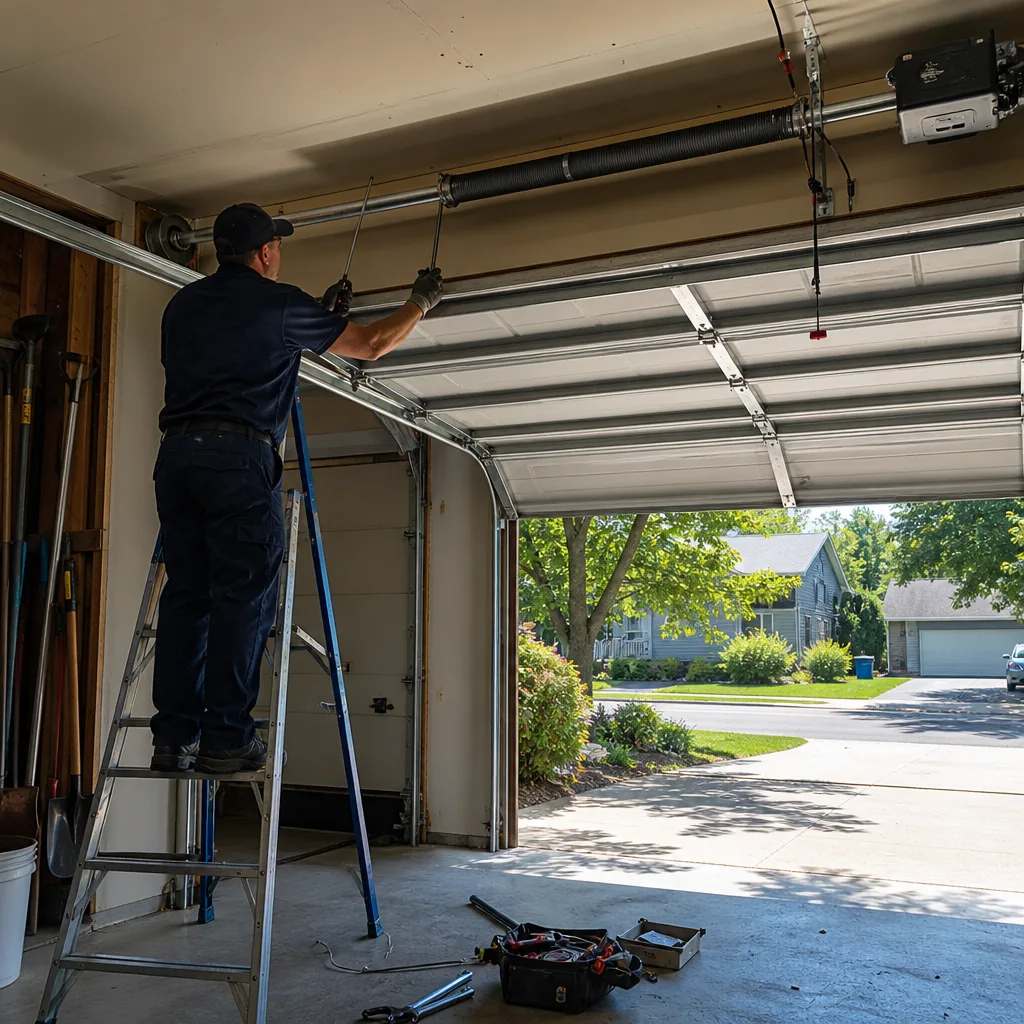
- Safety compliance. Springs, cables, and bottom brackets are under heavy tension. A specialist knows to treat them as hazardous, follows the safety protocol, and won’t improvise. A generalist often won’t.
The specific advantage in Uptown is that older urban garages present more of these variables at once than a new-build garage does. A single job here may involve a non-standard opening, low headroom, a 15-year-old opener, and springs that were sized for a different door. Getting all four right in one visit takes a specialist’s eye.
Brands and Materials That Hold Up to Uptown’s Freeze-Thaw Cycle
Uptown’s climate is the other force shaping the door you should choose. The lake moderates temperatures somewhat, but the neighborhood still gets the full freeze-thaw cycle: hard freezing in winter, melting and refreezing at the margins, and a wet spring that infiltrates any gap in the door or threshold.
Freeze-thaw affects three things: the door material, the hardware, and the seal.
Door Material
Steel doors are the most common choice in Uptown because they’re durable and hold up well to temperature swings, provided the paint or finish stays intact. A steel door with a factory-applied finish and a proper bottom seal resists freeze-thaw better than a wood door that needs repainting. Wood doors have character and match the older homes in Uptown beautifully, but they’re also the material most vulnerable to water intrusion at the bottom rail and along the vertical panel seams. If you choose wood, plan on maintaining the finish and checking the bottom rail each spring.
Hardware
Hinges, rollers, and springs all take a beating in freezing weather. Rollers get stiff, hinges can seize, and springs behave differently in cold temperatures than warm ones. That’s why spec matters: a properly tensioned, well-lubricated system handles the cold better than a marginally adjusted one. It’s also one reason we recommend a pre-winter inspection in Uptown. Small hardware issues that go unnoticed in October become door-stuck-closed calls in January.
Seal and Weatherstripping
The bottom seal on any Uptown garage door matters more than most homeowners realize. A worn or cracked seal lets in meltwater, which refreezes at the threshold and can tear the seal further or lock the door in place. The weatherstripping around the sides and top does the same job. If the seal is more than a few years old and you haven’t looked at it, check it before the first hard freeze.
Brand Choices
For steel doors, Clopay and Amarr both offer solid options for the Uptown climate, with finishes that hold up well and configurations that fit the retrofit scenarios described above. LiftMaster and Chamberlain openers are reliable in cold weather, but only when properly adjusted – which brings us back to the point about specialists. Brand familiarity helps us know which models need which adjustments in cold-season conditions.
Springs, Cables, and the Safety Rules That Matter in Uptown
Garage door springs are under extreme tension, and a failing spring or cable can cause serious injury if handled without the right tools and training. This is not a DIY job. If your door won’t lift, slams shut, or looks crooked, stop operating it and call a professional.
What you can safely do is understand the system and know what to check from a distance.
The Two Spring Types
- Torsion springs mount on a bar above the door and twist to counterbalance the door’s weight. They’re compact, quieter, and the standard for most modern installations. They’re also the most hazardous to work on because the tension is concentrated at the bar.
- Extension springs run along the horizontal tracks beside the door and stretch to counterbalance. They’re less compact and less common on newer doors, but plenty of Uptown garages still have them.
A Safe Visual Check
From the garage floor, without touching anything under tension, you can look for:
- A visible gap in the torsion spring coil (a break shows as a clean separation in the coil).
- A stretched or sagging extension spring.
- A door that hangs crooked – one side clearly higher than the other.
- Frayed or slack cables.
- A door that opens a few inches and stops.
Any of these is a sign to stop using the door and have it inspected. Repair is usually a one-visit job for a specialist, and most repairs we handle are diagnosed and completed in a single visit. Springs are the hazardous part – leave them to someone trained for it.
For more on our spring work and what a safe repair involves, see our Garage Door Repair Uptown page. If the door is stuck open or jammed shut and you can’t secure the garage, an emergency call is the right move rather than trying to force it.
How to Audit a Garage Door System Before Buying in Uptown
If you’re buying an older home in Uptown, the garage door is one of the items most likely to be hiding a problem the seller doesn’t know about. A pre-purchase inspection is the right time to check it. Here’s what to walk through – either on your own as an initial screen, or ask a garage door specialist to check before you close.
- Age and brand of the opener. Look at the label on the back or side of the motor. Note the brand (LiftMaster, Chamberlain, Genie, Craftsman, etc.) and the model. An opener that’s more than a decade old isn’t necessarily failing, but it’s worth knowing the system’s age and parts availability.
- Manual release test. With the door closed, pull the red release handle to disconnect the opener. Lift the door by hand. It should move smoothly and stay open at any point mid-travel when you let go. If it drops or needs force to hold, the springs are wrong for the door or the door is out of balance.
- Visual spring check. Look at the torsion springs or extension springs for visible gaps, sagging, or fraying. Don’t touch anything under tension – just observe from a distance.
- Seal and threshold check. Look at the bottom seal. Is it intact, or is it cracked and letting in water? Look at the floor beneath the door for evidence of standing water or ice damage.
- Opening and clearance. Measure the rough opening width and height. Note the headroom above the door and the distance from the door to the rear wall. Note whether the door is standard or custom. All of these affect future replacement cost and options.
- Safety reverse test. With the door on the opener, place a small object (a piece of wood or a brick) on the floor under the path of the door. Close the door. It should reverse on contact. If it doesn’t stop and reverse, the opener’s settings need adjustment or the opener needs service.
- Track and panel check. Look for bent track sections, dented panels, and loose hinges. Small issues can often be repaired, but large ones may point to a door replacement.
If you’d rather have a specialist do this check, we can go through it with you before you buy. Free estimates cover this kind of inspection in Uptown – call (855) 337-1679 to schedule.
Repair, Replace, or Install: How to Decide
The question in Uptown is often not “should I fix it?” but “should I fix it or start over?” Here’s how we think about the decision.
Repair
Repair is usually the right answer when the door itself is structurally sound and the issue is one component: a broken spring, a failed opener, worn rollers, a bent track section, or a lost remote. These are typically completed in a single visit and cost significantly less than replacement. If your door is otherwise in good shape and the problem is mechanical, repair is almost always the practical choice.
Replace the Opener Only
If the door is fine but the opener is failing repeatedly, replacing just the opener is often the right move. LiftMaster and Chamberlain both make openers that pair well with existing doors and can be configured for the size and weight of what’s already installed.
Replace the Door
Replacement becomes the right call when the door has multiple failing components – panels that are cracked or water-damaged, track that’s out of shape, hardware that’s beyond its service life – and the cost of repairing each piece separately exceeds the cost of a replacement. A specialist can look at the system and tell you which side of that line you’re on.
Full Installation
If the garage door on your Uptown property was installed without any consideration for the actual opening, a new installation designed for the space is the cleanest long-term solution. This is a measured, scheduled job – it’s not a same-day service, because the door has to be ordered to fit and the install has to be planned. Expect a free measure and a written quote before anything is ordered.
Whatever route you choose, the price should be quoted and agreed before any work starts. That’s how we work, and it applies equally to a spring repair and to a full new-door installation.
Common Mistakes to Avoid
- Assuming a stock size will fit. Standard doors are made for standard openings, and Uptown’s openings often aren’t standard. Measure the rough opening before ordering anything, or you’ll be stuck with a door that doesn’t close flush.
- Hanging a door without balancing the springs. Every door is a counterbalanced system, and installing a door without matching the spring tension to its weight leaves the door hard to lift and wears out the opener prematurely. Balance it correctly or have it balanced.
- Mounting a ceiling opener in a low-headroom garage without checking the clearance. The opener will fit, but the door may not have room to travel correctly on standard track. Low-headroom track is required in many Uptown garages.
- Ignoring the bottom seal. A cracked bottom seal lets meltwater in, which refreezes at the threshold and can tear the seal further or jam the door. Check it in the fall, not in the middle of a January cold snap.
- Trying to adjust or replace springs yourself. Torsion and extension springs are under heavy tension. A mistake can be serious. Leave it to a trained technician.
- Choosing a handyman because the price sounds lower. A generalist can hang a door, but may not calculate spring balance, headroom, backroom, or opener force limits correctly. The lower price often gets paid twice in a return visit.
- Overlooking the opener when buying an older home. The garage door and opener are among the most common deferral items in an older Uptown home. Check the opener’s age and safety reverse function during the inspection, not after you’ve moved in.
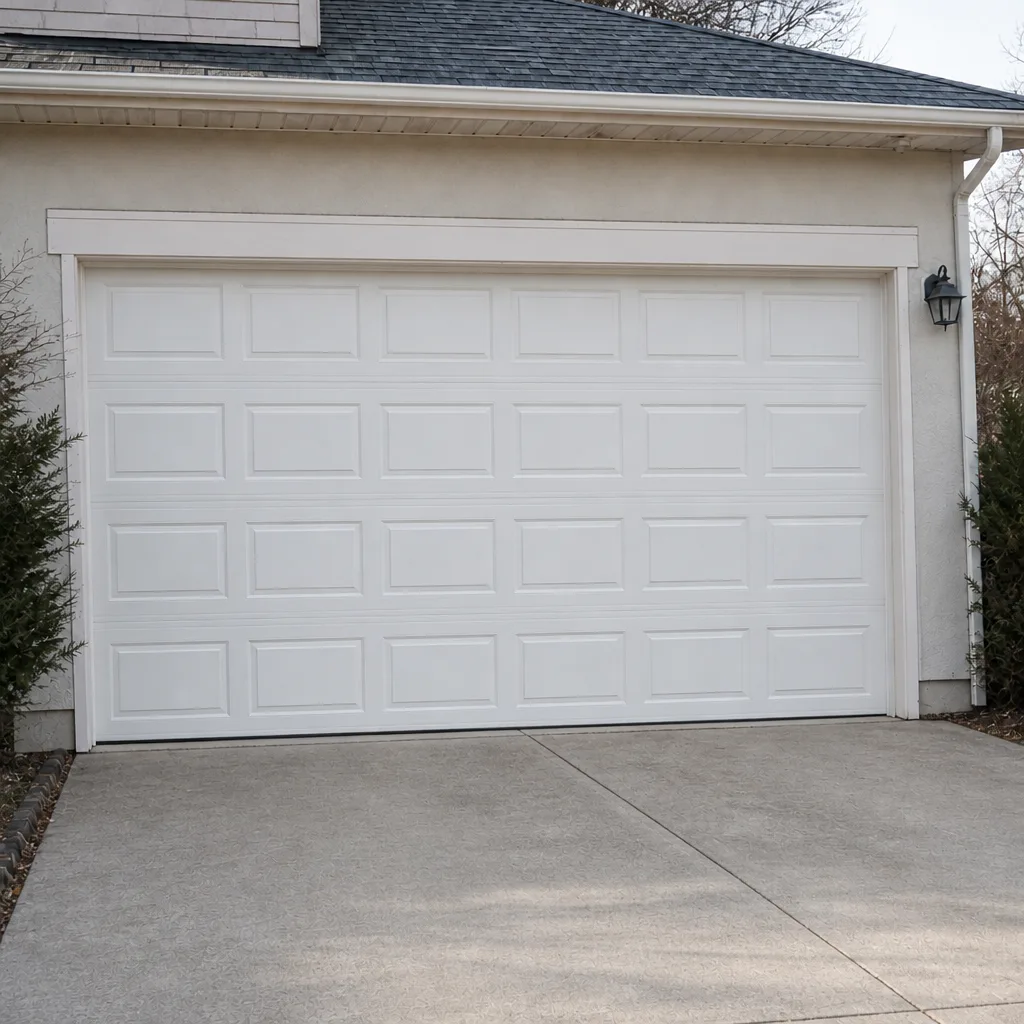
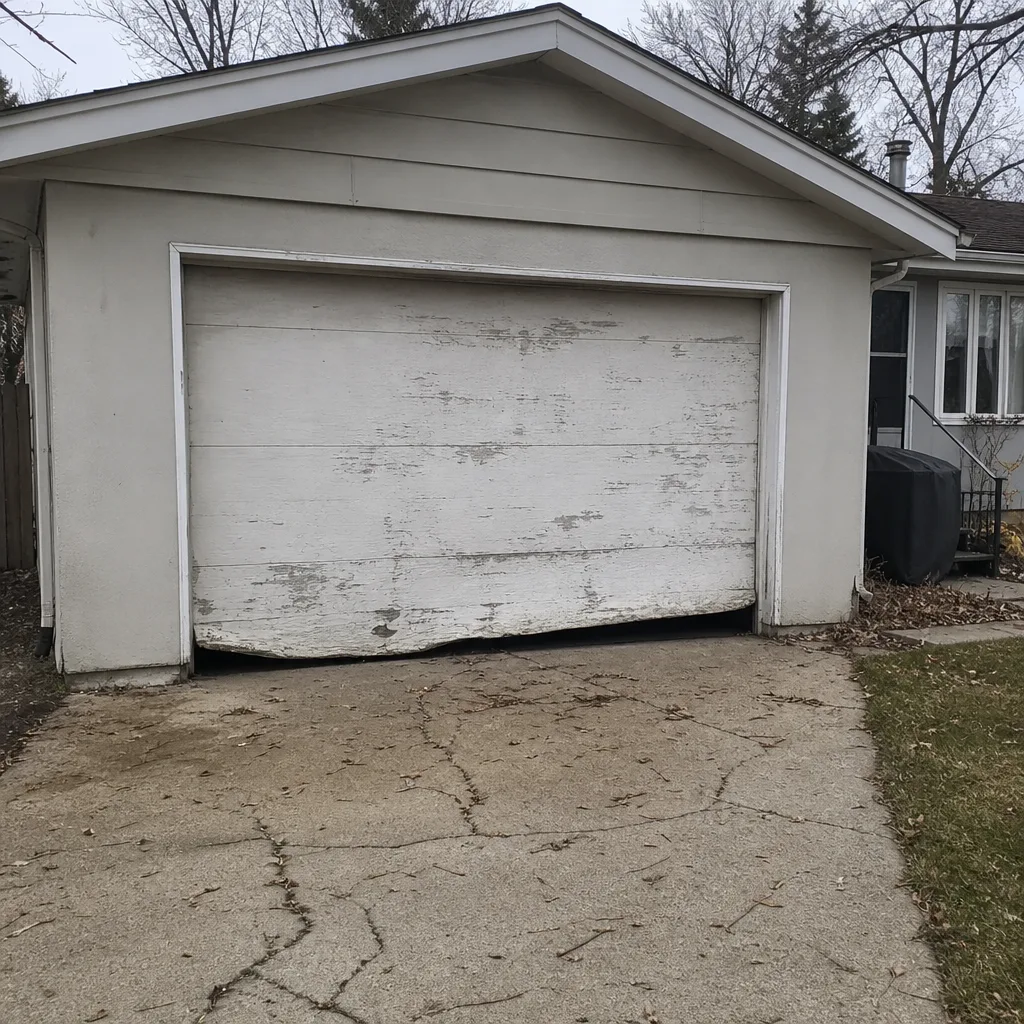
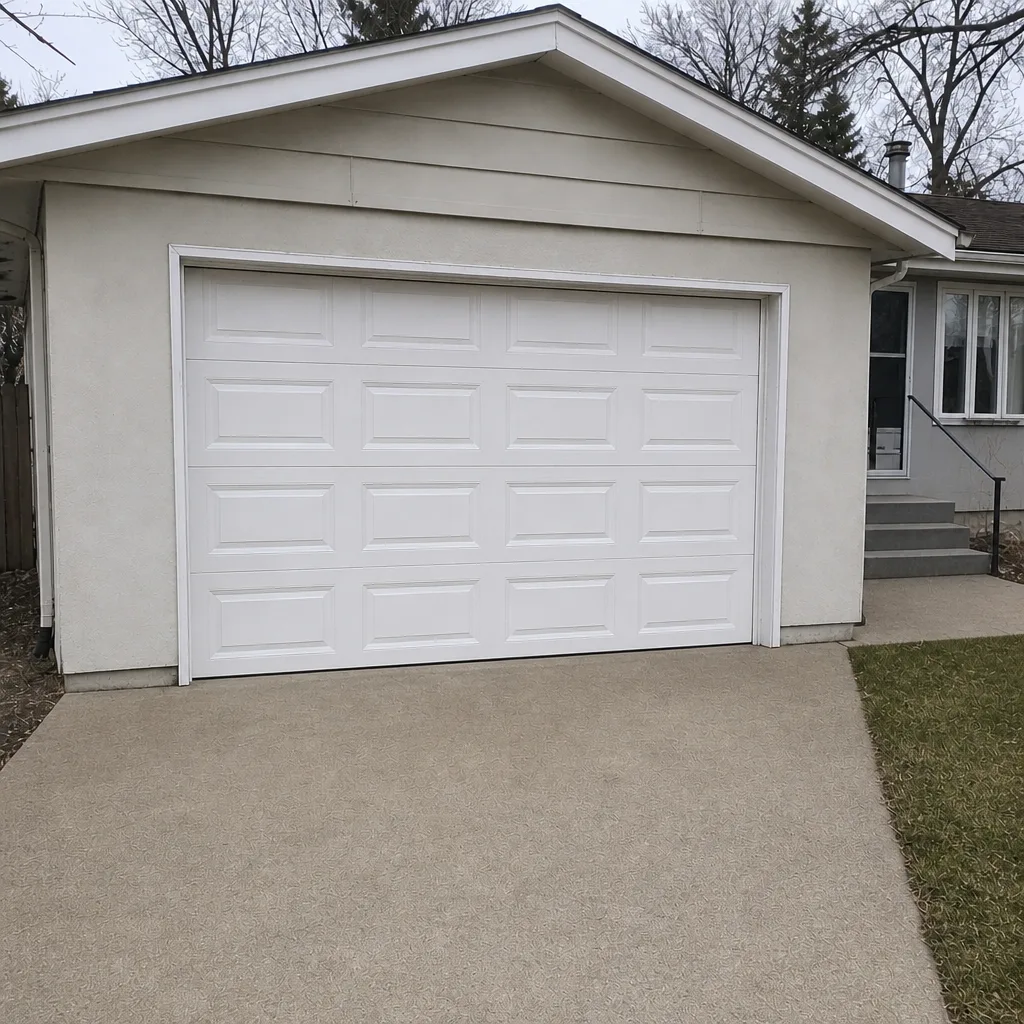
See the difference
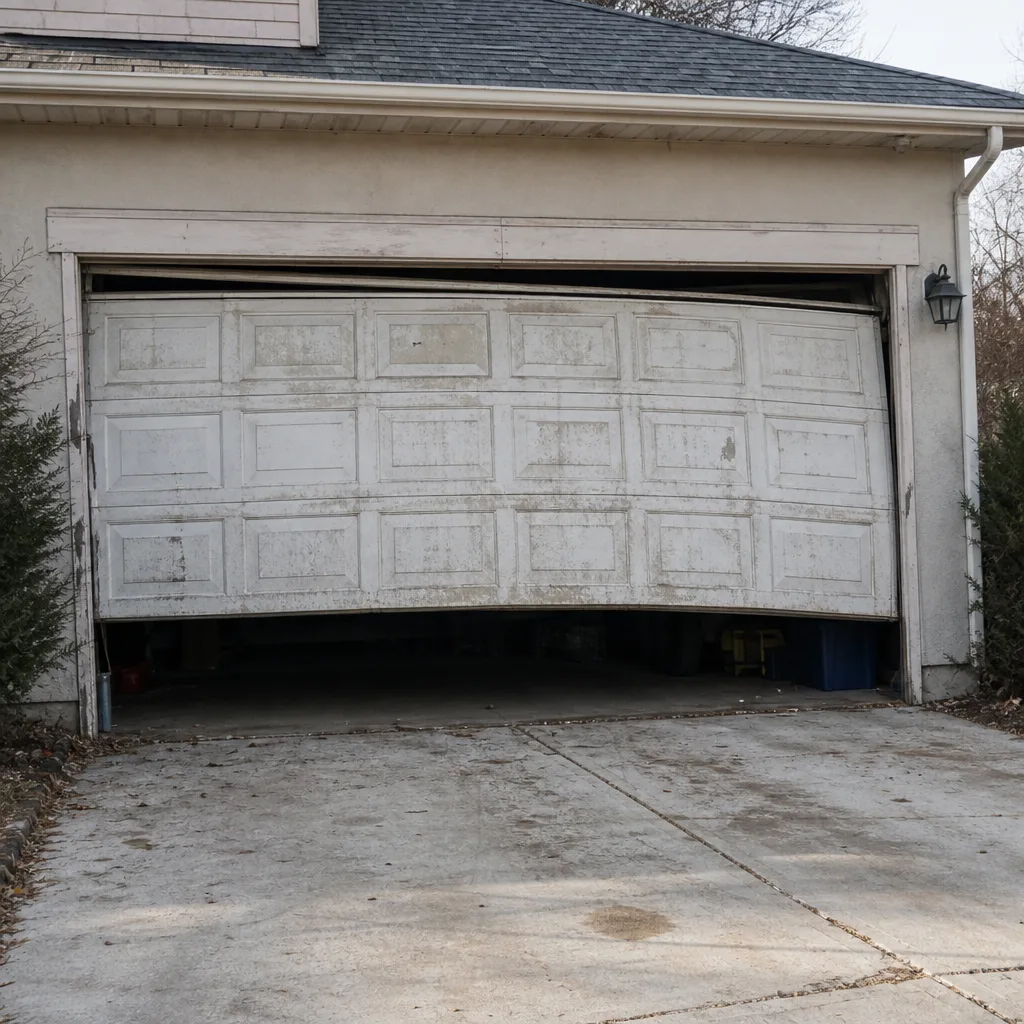 Before
 After
 Before
 After
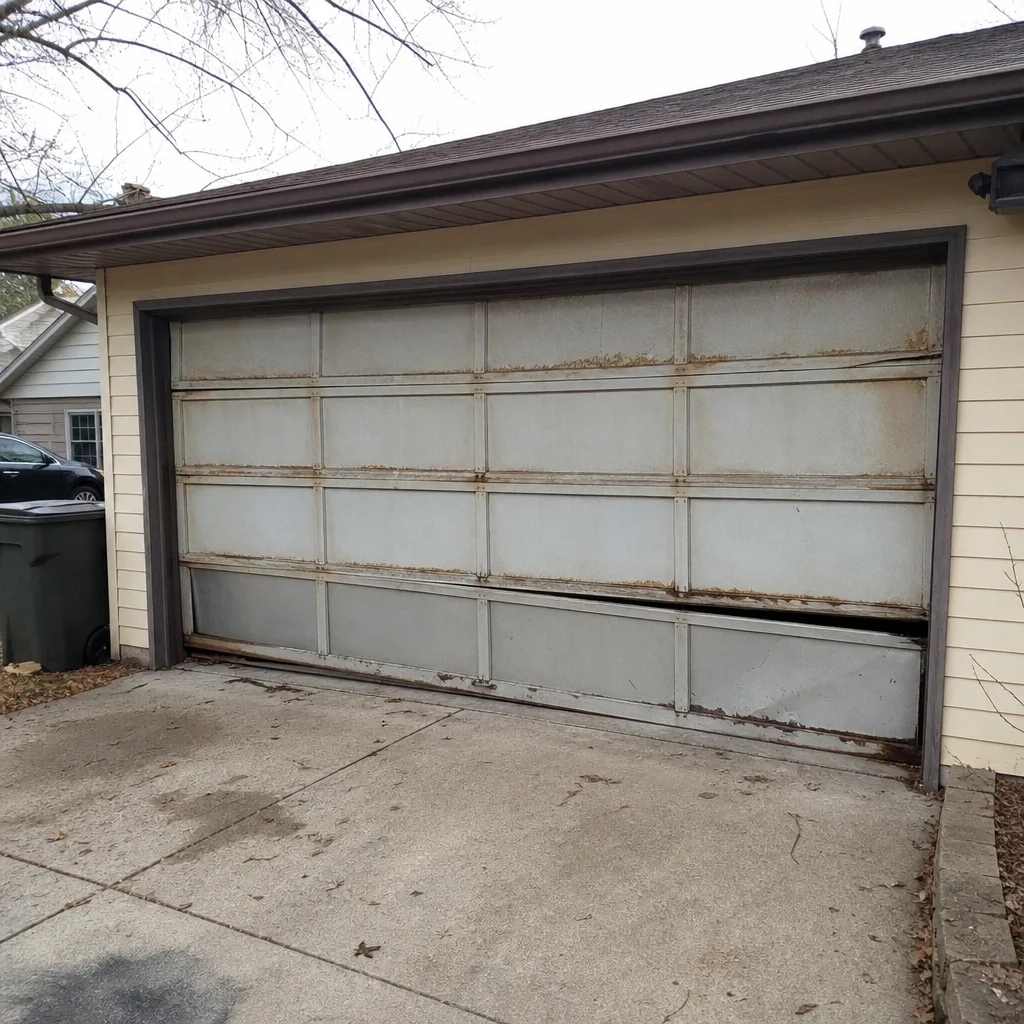 Before
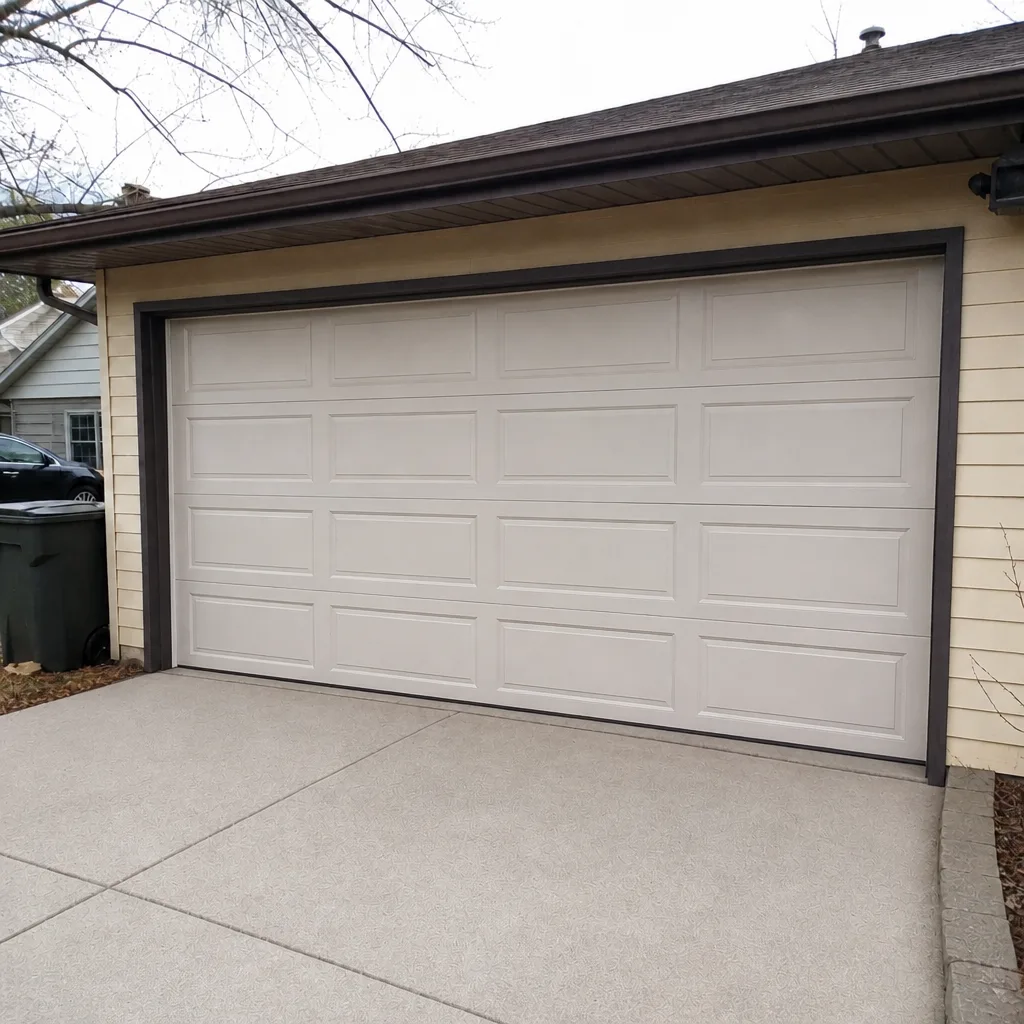 After
When to Call a Professional
Some garage door issues are safe to handle yourself – a lost remote, a dead battery, a loose hinge bolt. Others absolutely require a trained technician: any spring or cable problem, any door that’s out of balance or hanging crooked, any opener that fails the safety reverse test, any door that won’t open or close fully. If the door is stuck open or jammed shut and the garage isn’t secure, an emergency call is the right move rather than forcing the door.
If you’re unsure whether your issue needs a visit, describe it and we’ll tell you. Our technicians have up to 12 years of experience, and most repairs are diagnosed and completed in a single visit. Garage Door Repair Uptown offers free estimates in Uptown – call (855) 337-1679.
Frequently Asked Questions
Garage door repair costs in Uptown depend on the component involved – spring replacement, opener repair, track adjustment, and panel replacement are all priced separately. We give you a written quote after assessing the door, and the price is agreed before any work starts. Call (855) 337-1679 for an exact quote – estimates are free.
Most repairs in Uptown can be diagnosed and completed in a single visit, and we do handle emergency calls for doors that are stuck open or jammed shut. For new installation or full replacement, the work is measured and scheduled – it’s not a same-day service, because the door has to be sized and ordered first. Call (855) 337-1679 to find out what’s available for your situation.
Uptown’s housing stock is older, and garages were framed by hand decades apart, so rough openings vary more than in newer subdivisions. A door that fits one house on the block may not fit the next. A specialist will measure the rough opening, headroom, and backroom before recommending any door, and may propose a custom size or a low-headroom solution when a stock door won’t fit.
Torsion springs mount above the door and twist to counterbalance its weight, while extension springs run along the tracks and stretch. Torsion is the standard on most modern installations because it’s more compact and easier to balance, but extension springs remain common in older garages and are the only option where headroom is too tight for a torsion bar. Both are hazardous to work on and should be handled by a trained technician.
The local professionals we connect you with are licensed and insured as their state requires. Our technicians have up to 12 years of experience working on garage doors and openers from LiftMaster, Chamberlain, Genie, Clopay, Amarr, Wayne Dalton, Craftsman, and Raynor, so they know the specific failure points of the system in your garage. Call (855) 337-1679 with questions about your specific door.
Yes – emergency garage door service is available for situations that can’t wait, including doors stuck open, stuck shut, or jammed. A door that won’t close is a security problem, and we treat it that way. Call (855) 337-1679 and describe what’s happening; we’ll tell you what to do next.
The Bottom Line
Uptown’s garage doors reflect the neighborhood’s age and layout: retrofitted systems, non-standard openings, tight alley clearances, and freeze-thaw exposure that shapes what will hold up. The right approach is always to measure first – rough opening, headroom, backroom, balance – then spec the door, opener, and spring system to the space you actually have, not the space a stock catalog assumes. Springs and cables are the one area no homeowner should touch; everything else is manageable with a specialist who does this work every day. If you want the system in your Uptown garage looked at properly, call (855) 337-1679 for a free estimate.
Written by the team at Garage Door Repair Uptown.