Last updated November 22, 2026
 Raised-panel steel
 Carriage house
 Modern flush
 Full-view glass
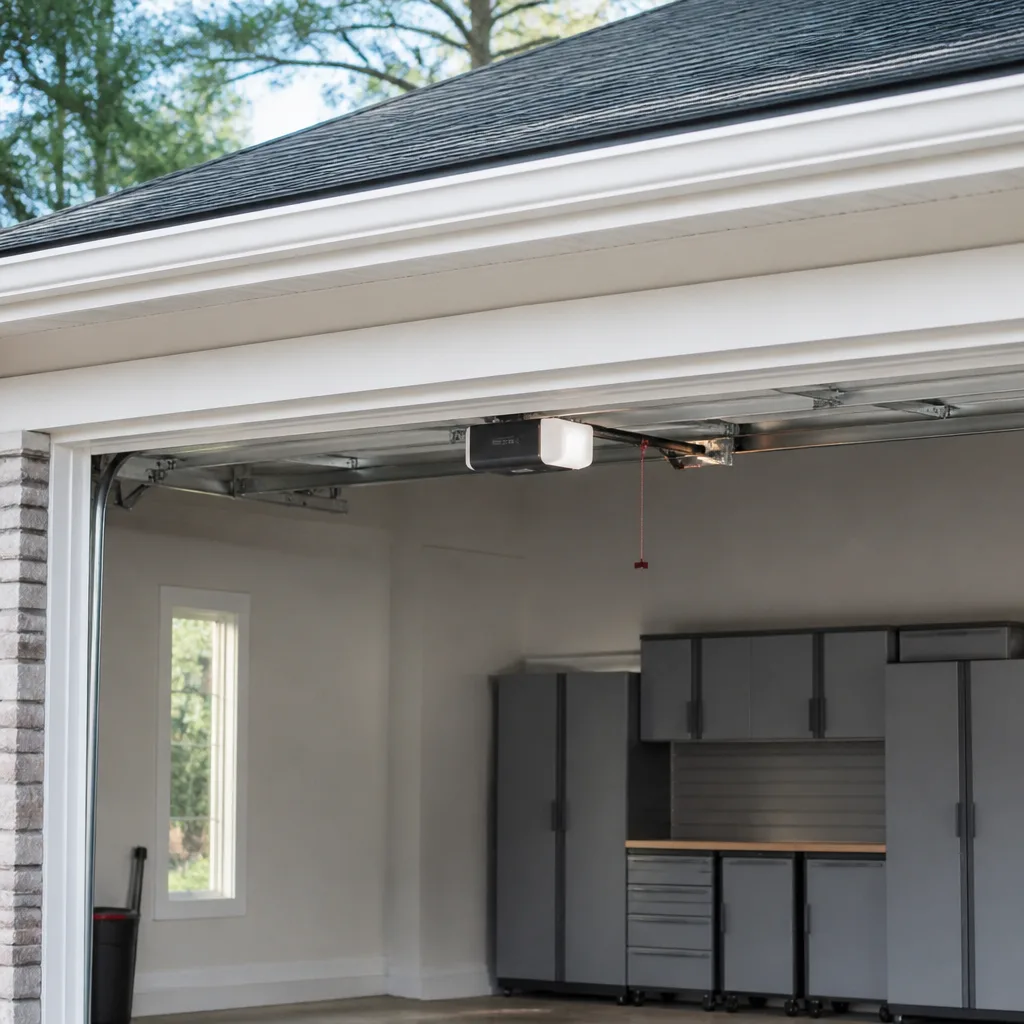 LiftMaster openers
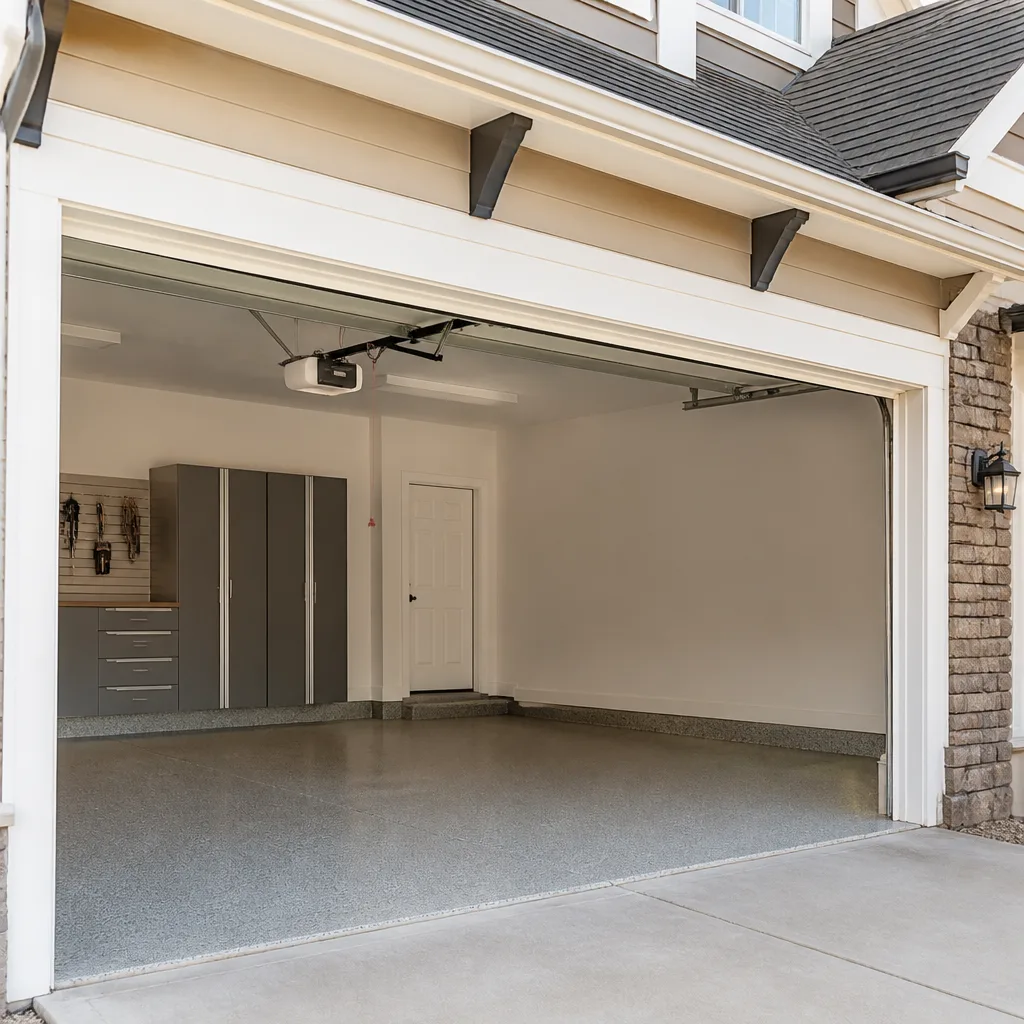 Chamberlain openers
Full 25-point door and opener safety check with every visit - springs, cables, rollers, tracks, and your LiftMaster or Chamberlain opener included
You get a price before we start. It does not change when the pro arrives.
Get your free estimateGarage Door Repair Maintenance Checklist for Uptown Homeowners
The number one maintenance mistake Uptown homeowners make isn’t skipping lubrication. It’s lubricating the wrong parts with the wrong product and speeding up wear instead of preventing it. We see it constantly on doors around Uptown: tracks coated in sticky white grease that grabs grit, rollers sprayed with product that turns to gum when the temperature drops, hinges that never got a drop at all. Minnesota weather punishes careless maintenance harder than neglect in a milder climate, because everything that can stiffen at -10°F eventually will. This guide covers the checks that actually matter in Uptown, the order parts tend to fail in, what to lubricate and with what, and how to tell the difference between a task you can handle and one that belongs to a trained technician. Print it, work through it before October, and your door will behave better all winter.
Quick Answer
A garage door maintenance checklist built for Uptown should focus on the parts that freeze-thaw cycles punish first: the bottom seal, the rollers, the hinges, and the spring assembly. Inspect them in fall before the first hard freeze, lubricate metal-on-metal contact points with a cold-rated product rather than grease, and have springs tested and balanced by a technician at the first sign of uneven movement. Doors that get monthly attention and an annual professional tune-up fail far less often in January than doors that get none.
Styles & brands we work with
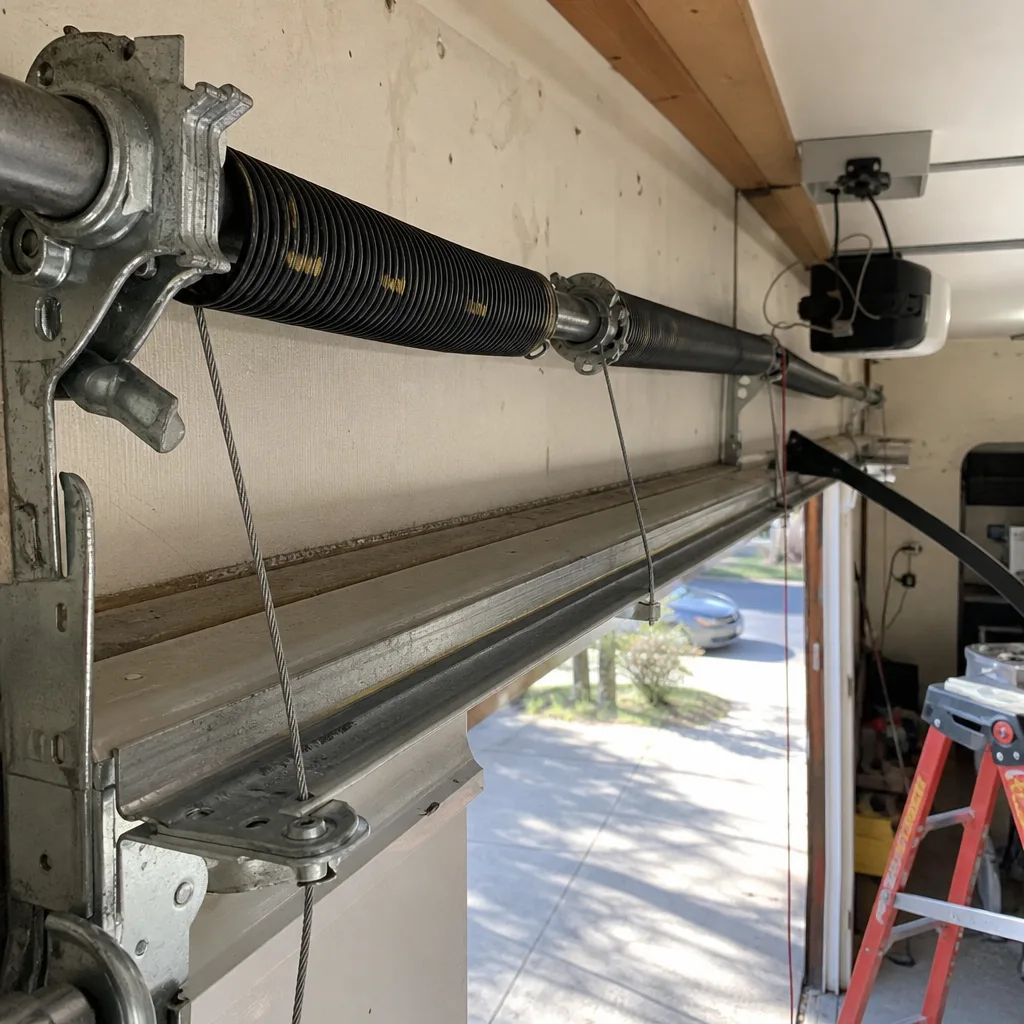
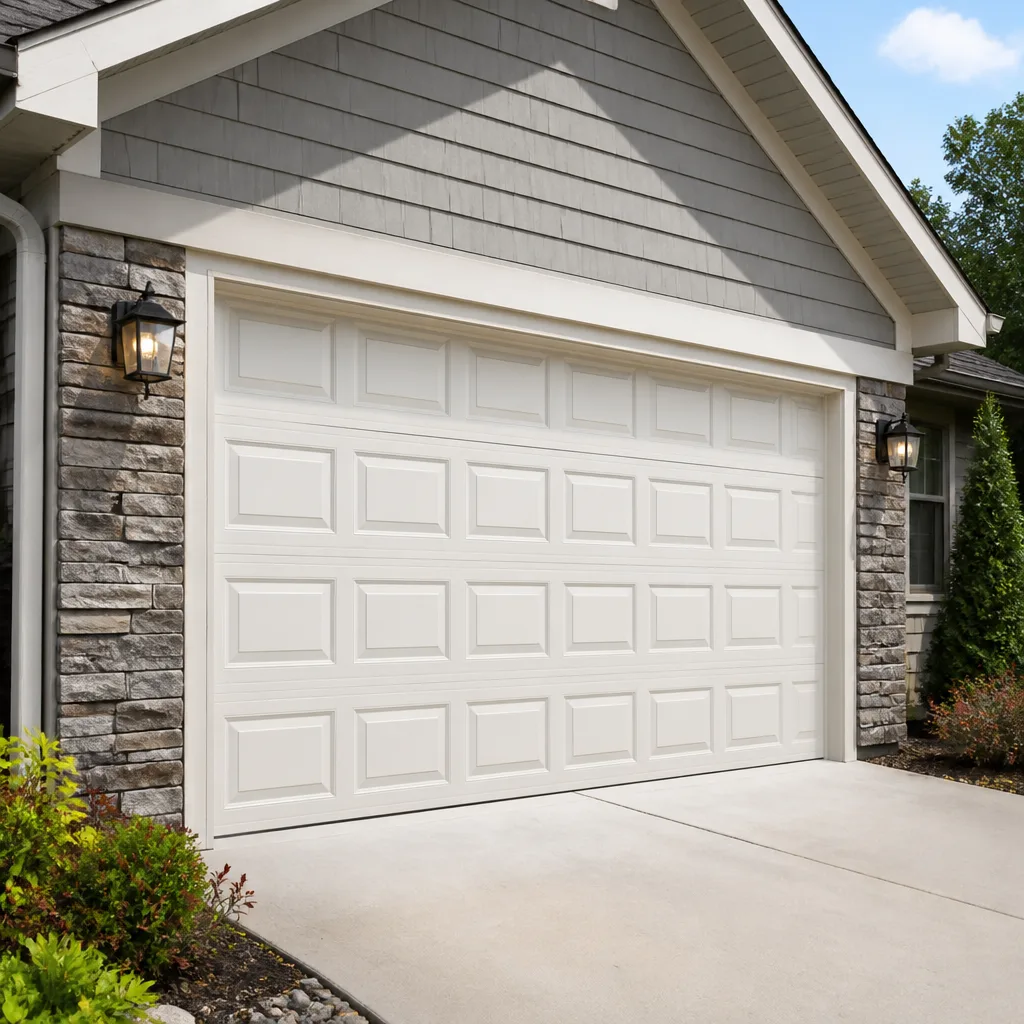
- Raised-panel steel
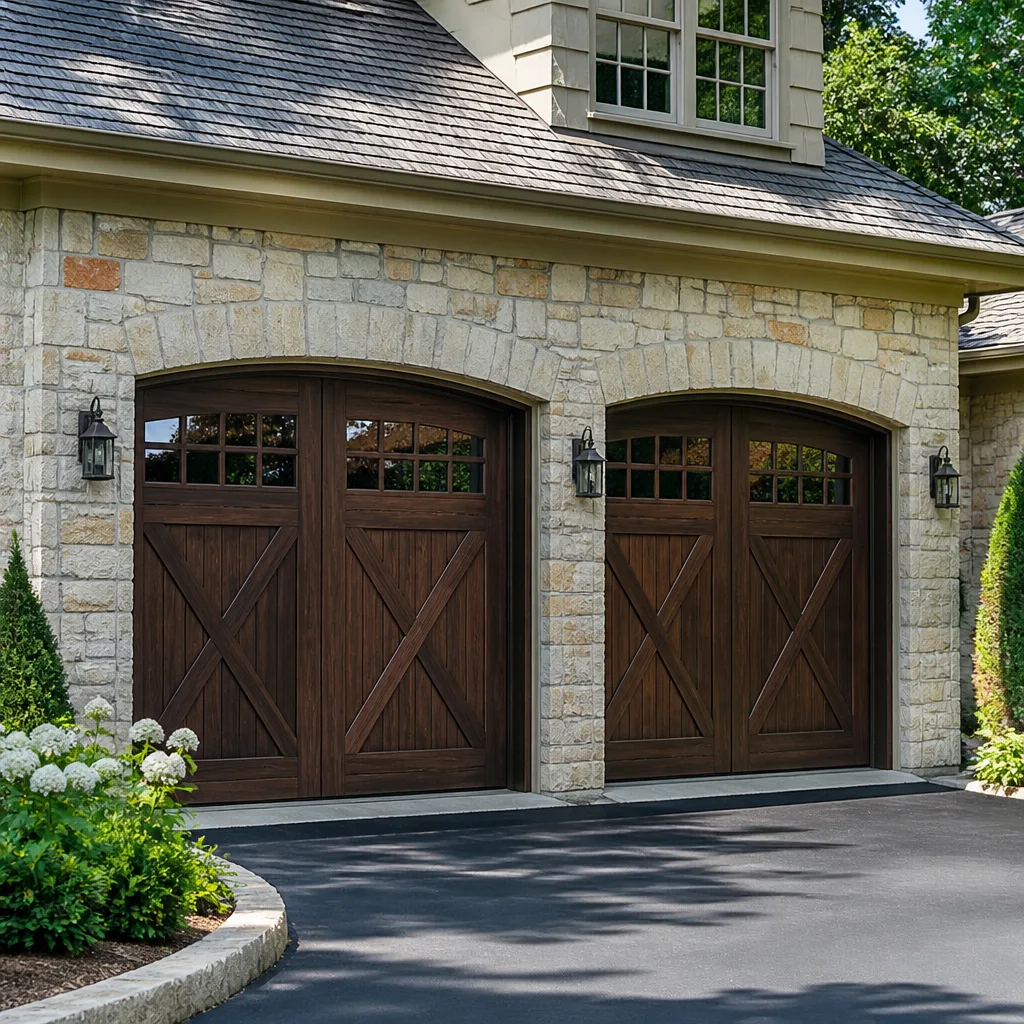
- Carriage house
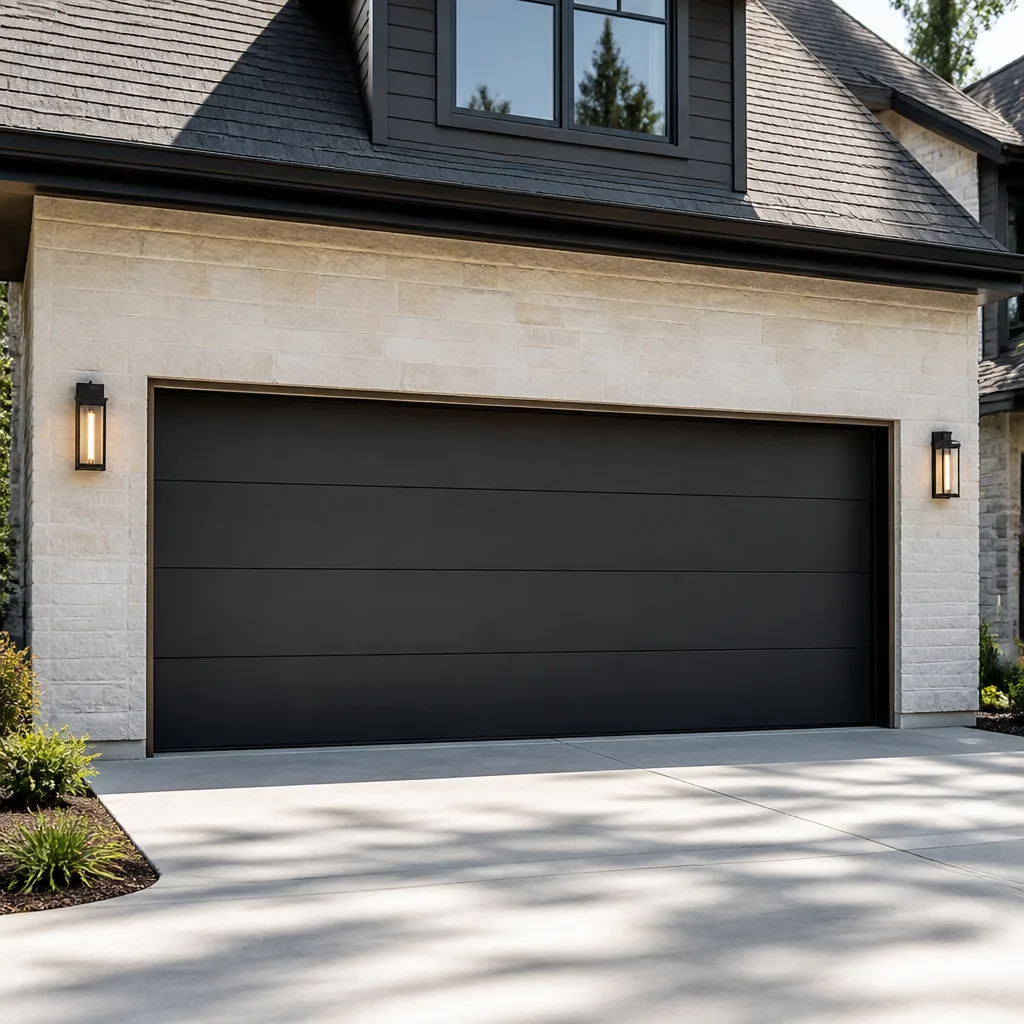
- Modern flush
- Full-view glass
- LiftMaster openers
- Chamberlain openers
Table of Contents
- Why Uptown Garage Doors Fail Differently
- The Pre-October Inspection: What to Check Before Winter
- The Right Lubricant for Minnesota Temperatures
- Checking Spring Tension Without Tools
- Alley-Access Doors: The Road Salt Problem
- Opener Maintenance Most Homeowners Skip
- Your Monthly Routine: A Five-Minute Walkthrough
- Honest Triage: DIY vs. Specialist Calibration
Why Uptown Garage Doors Fail Differently
Uptown sits in one of the hardest climates in the country for garage door hardware. We get deep cold, heavy snow, and, more importantly, dozens of freeze-thaw swings every winter and early spring. Every time the temperature crosses back and forth around freezing, metal expands and contracts slightly, and anything that was already marginal gets nudged a little further toward failure. Seals harden and crack. Lubricant that was fine in September thickens into paste by January. Hinges work themselves loose from constant thermal movement.
The second local factor is housing stock. Much of Uptown’s residential blocks were built decades ago, and a lot of the garage doors on them are original or replacements that have been on for a long time. Old doors carry older hardware, and older hardware has its own failure pattern: worn rollers, stretched springs, mounting plates pulling loose from tired wood. The door itself might have another decade left; the components around it won’t.
Common failure sequence we see around Uptown:
- Bottom seal deteriorates first. It’s rubber, it touches the coldest concrete, and it’s the cheapest part to ignore.
- Rollers flatten and wear flat spots. Nylon rollers crack in cold; steel rollers rust and seize.
- Hinges and mounting plates loosen as the wood they’re fastened to dries and shrinks.
- Cables fray at the drum and the bottom bracket, usually at the point where they bend.
- Springs finally fail, typically after years of temperature cycling that has already fatigued the metal.
When we run a garage door repair call in Uptown in the middle of a cold snap, that order is the reason why. The spring breaks last, but it’s the part homeowners notice, because a broken spring is a door that won’t open at all.
The Pre-October Inspection: What to Check Before Winter
Fall is the single most valuable time to look at an Uptown garage door. Anything caught in October is cheap and easy; the same problem in January is an emergency service call on a morning when it’s ten below. Work through these checks before the first hard freeze.
Seals and weatherstripping
Close the door and look at the bottom seal. It should compress against the floor evenly. If light shows through at any point, or the seal has gone stiff and cracked, replace it. The same goes for the perimeter trim and the weatherstripping at the top and sides; cold air that gets in through a bad seal eventually finds its way into the garage’s interior surfaces and any doors or appliances in there.
Rollers and tracks
Rollers should roll, not slide. Lift one edge and look at them; worn rollers have flat spots or cracks visible to the eye. Tracks should be straight, free of dents, and clean, with no grease or debris in the channel. Clean tracks with a damp cloth, not a lubricated rag.
Hinges and fasteners
Walk the interior of the door and check every hinge, bracket, and lag screw by hand. Anything loose needs tightening. Anything pulling away from the wood is a warning that the mounting surface is failing, which is a structural issue, not a hardware one.
Panel and skin inspection
Run your hand over the door panels and look for dents, cracks, or separation between the panel and its frame. A door that has taken a hit – a bumper, a snowplow-cast chunk of ice – can look fine closed and bind badly when it moves. Even a slight bend in a track from a minor impact shows up as chatter or uneven movement.
Cables
Inspect the cables for fraying, kinks, or rust spots. Cables are under enormous tension, and a frayed cable is a real break risk. Do not touch, adjust, or attempt to straighten a cable. If it looks suspect, that’s a call.
The Right Lubricant for Minnesota Temperatures
The single biggest mistake Uptown homeowners make is treating garage door lubrication like car maintenance: grab whatever general-purpose grease is on the shelf and coat everything. Most of that product becomes a problem in Minnesota cold. Grease thickens, WD-40 evaporates off and leaves nothing, and aerosol sprays that were fine in summer turn into a sticky film that traps grit and accelerates wear.
What works and what doesn’t in a Minnesota winter:
- Use: a silicone-based or lithium-based lubricant rated for cold temperatures, applied thinly to all metal-on-metal contact points: hinges, rollers, the pivot points, the bearing plates.
- Use: a dry silicone spray on the tracks; just a very light pass, and wipe off the excess.
- Avoid: heavy grease anywhere on the door. It gums up below freezing and holds grit.
- Avoid: WD-40 as a long-term solution. It works as a cleaner, but it isn’t a lasting lubricant on moving parts.
- Avoid: spraying the spring coils with anything heavy. A light lubricant on the coil is fine; grease is not.
Apply lubricant twice a year, and always once in late fall. We’ve worked on thousands of doors over the years, on brands like LiftMaster and Chamberlain fitted to all kinds of older Uptown homes, and the pattern is consistent: the doors that get a light, cold-rated lubricant twice a year run quieter and need fewer component replacements than the ones that get heavy grease once and forget it.
If your door screeches in January, it’s not necessarily a failing part. It may just be summer lubricant gone sticky. A quick light re-lube often cures it before you call anyone.
Checking Spring Tension Without Tools
Springs are the part most homeowners should never touch and most should learn to read. A torsion spring, the type on nearly every Uptown garage door, stores enough energy to cause serious injury in a fraction of a second. A trained technician can set one safely; a homeowner can’t. But you can test whether tension is starting to go without any tools, and that information tells you when to schedule a professional check before failure.
The safe no-tool test:
- With the door closed, disengage the opener by pulling the release handle (this is safe to do with the door down).
- Lift the door to about waist height by hand. A properly balanced door should require modest effort and should stay in place, roughly, wherever you let go.
- If the door feels very heavy, or won’t hold its position and drops, the springs are losing tension. Stop lifting and call a pro.
- Listen for a low metallic twang or a sudden looseness; both mean the tension has changed.
What 20% gone looks like: In our experience, a torsion spring that’s lost roughly a fifth of its working tension shows up as a door that needs noticeably more effort to lift by hand, or that creeps downward instead of holding. Once that starts, the spring has usually been cycling near the end of its life for a while. It’s far better to replace it on a scheduled visit than after it breaks on a cold morning.
Do not: attempt to adjust, tighten, or wind springs yourself. Don’t put your hands between the coils. Don’t try to “help” a heavy door by holding it while someone else operates it. If the door is stuck open or shut because of a spring failure, call for emergency service: a door left wide open is a security risk, and a door left half open with compromised tension can come down.
Alley-Access Doors: The Road Salt Problem
Uptown has a lot of homes with alley-access garages, and alley-access doors live a different life than doors that face a street or a driveway. In winter, the alley is where the plow and the sand truck and the road salt spray land. The bottom half of a rear-facing garage door gets coated in saltwater every time the road is treated and every time it thaws and refreezes.
That has specific consequences that don’t apply to a door on a quiet street:
- Bottom hinges and brackets show corrosion fast. Steel hinges seize; the mounting screws rust into the wood.
- The bottom seal absorbs salt, hardens, and cracks sooner than it would otherwise.
- Steel rollers pit and seize; a seized roller drags and starts scoring the track.
- Paint and powder coat chip at the bottom panels, exposing the steel underneath to more salt.
What to do about it:
- Wash the bottom two panels of the door with clean water at least monthly in winter. This is the one time a hose or a bucket is worth using on a garage door.
- Wipe down the bottom hinges and bottom brackets after washing, then apply a light cold-rated lubricant.
- Check for rust spots at the hinge mounting screws; a rust-stained screw is a screw that’s starting to go.
- Inspect the bottom seal more often: spring and fall minimum, and again in midwinter if you park a wet, salted car in the garage.
This is also where a properly treated garage door installation pays off over time. Doors installed with corrosion-resistant hinges and a heavier bottom seal survive alley exposure noticeably better than budget hardware.
Opener Maintenance Most Homeowners Skip
Homeowners assume the opener takes care of itself. It’s the one system in the garage with a motor, so it should be the one that needs the most attention, but it’s typically the one that gets the least. In our experience on garage door opener repair calls, most of the problems we see weren’t electrical. They were mechanical or adjustment issues that built up slowly.
Checks worth doing on any opener
- Test the safety reverse. Put a small piece of wood or a brick in the door’s path and close it. The door should reverse on contact. If it doesn’t, the opener needs adjustment.
- Test the photo-eye sensors. Stand between the sensors and close the door; it should reverse immediately.
- Inspect the belt or chain. A slack chain is noisy and works the motor harder. A frayed belt will fail.
- Check the wall button and remotes. If a remote is intermittent, it may just be a battery, not the opener.
- Listen for the opener. Grinding, straining, or a delay before the door moves are all signs something is out of adjustment.
On the LiftMaster and Genie units we see most around Uptown
Most Uptown openers we work on are LiftMaster, Chamberlain, or Genie, installed on doors from Clopay, Amarr, or Raynor. Each has its own failure points: Chamberlain logic boards and travel limits, Genie carriage assemblies, LiftMaster safety sensors that need cleaning. Knowing the brand means knowing what to look at first.
Force limits are adjustable, but this is exactly the kind of calibration a trained technician does with the right tools and the right test. A door that needs its force limits bumped to close is usually signaling a mechanical problem upstream, not an opener problem. Bumping the limit to hide the symptom is how openers and doors both fail early.
Your Monthly Routine: A Five-Minute Walkthrough
A monthly walkthrough takes about five minutes and catches most problems long before they become calls. Do this the same weekend every month and it becomes automatic.
- Open and close the door once and listen. New noises are the earliest signal. Remember what a quiet door sounds like.
- Look at the tracks. Straight, clean, no debris, no visible damage.
- Look at the bottom seal. Flat against the floor, no cracks, no light showing through.
- Test the safety reverse with a small obstacle.
- Test the photo-eye sensors.
- Give the moving parts a visual check for corrosion, looseness, or anything bent.
- Check the springs visually (don’t touch), and do the manual balance check with the opener disengaged.
Once a year, at minimum, this walkthrough should be followed by a professional inspection. Our technicians have up to 12 years of experience; the trained eye catches things that a homeowner walkthrough just can’t, like a cable that’s fraying at the drum but hasn’t visibly failed, or a spring that’s lost tension evenly enough to feel normal but is already past its rated cycles.
Do the deepest inspection in September or early October. Anything you want fixed before winter should be booked by then. Once the temperature drops and stays down, every job gets harder and work happens in worse conditions.
Honest Triage: DIY vs. Specialist Calibration
Not every task is a technician’s job, and a good garage door company will tell you which is which. Here’s the honest split.
Tasks you can safely handle
- Washing the exterior panels, especially on alley-access doors.
- Lubricating hinges, rollers, and pivot points with cold-rated silicone or lithium lubricant.
- Cleaning the tracks with a dry cloth (not a greasy rag).
- Replacing the bottom seal on most modern doors.
- Changing remote batteries and cleaning the photo-eye lenses.
- Tightening loose hinge screws (only ones that tighten by hand and hold).
- Testing the balance of the door with the opener disengaged.
Tasks that require a specialist
- Anything touching a spring. Springs are the most dangerous part of the system; the energy they store can cause serious injury. Adjusting, replacing, or “helping” a compromised spring is not a homeowner task.
- Anything touching a cable. Cables are under similar tension and can cause serious injury if they snap.
- Adjusting force limits or travel limits on the opener. The right setting requires testing against the door’s actual weight and balance.
- Replacing rollers or hinges as a set if the door has been out of adjustment; the technician balances the whole system at the same time.
- Realigning a bent track. A track that’s been bent or knocked out of alignment needs tools and calibration.
- Any repair after an impact. Panel replacement, track realignment, and spring and cable checks.
If you only remember one distinction: lubricate what moves, look at what’s stressed, and never touch what’s under tension. garage door repair work that involves springs, cables, or system balance is the point where a call is cheaper than a mistake. We also stock and service the parts and systems from the major brands, including Clopay, Amarr, Raynor, and Chamberlain, so most repairs can be diagnosed and completed in a single visit.
Common Mistakes to Avoid
- Spraying grease on the tracks. A lubricated track collects grit and dust and turns into a grinding paste. Clean the track; don’t grease it.
- Using automotive grease on anything. It stiffens below freezing and turns to gum. Use a cold-rated silicone or lithium lubricant.
- Tightening force limits to close a door that won’t close. That’s usually hiding a spring or balance problem, and it makes the failure worse.
- Ignoring the bottom seal until the door is hard to close. A bad seal lets snow and salt into the garage and freezes the door to the floor.
- Skipping the fall inspection because the door “seems fine.” Uptown’s freeze-thaw cycles fail marginal components quietly. The best time to catch them is October.
- Washing the tracks. Water in the tracks causes rust and drag. Wipe down the door, not the tracks.
- Letting an alley-access door go all winter without cleaning the bottom panels. Road salt exposure is the fastest way to seize bottom hinges and brackets.
- Attempting to fix a broken spring. Don’t. This one is not worth trying.
See the difference
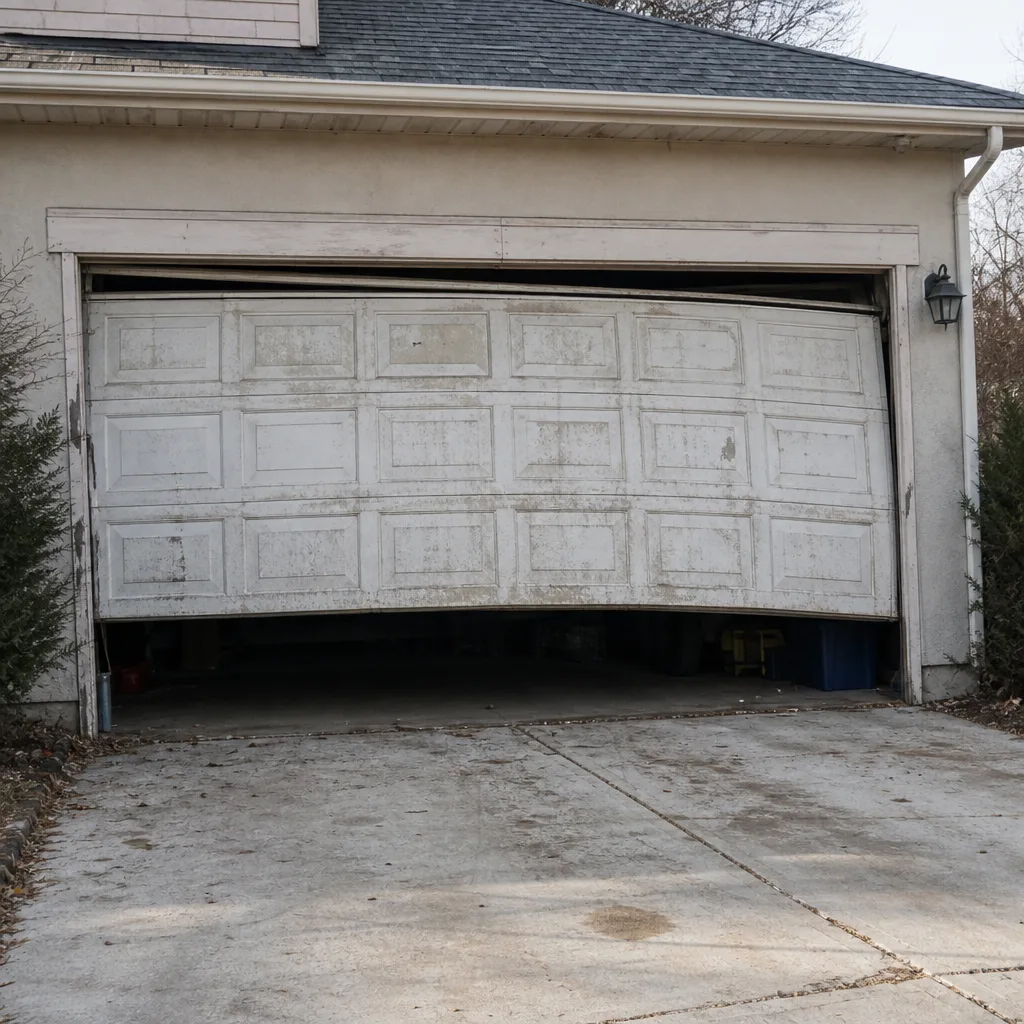 Before
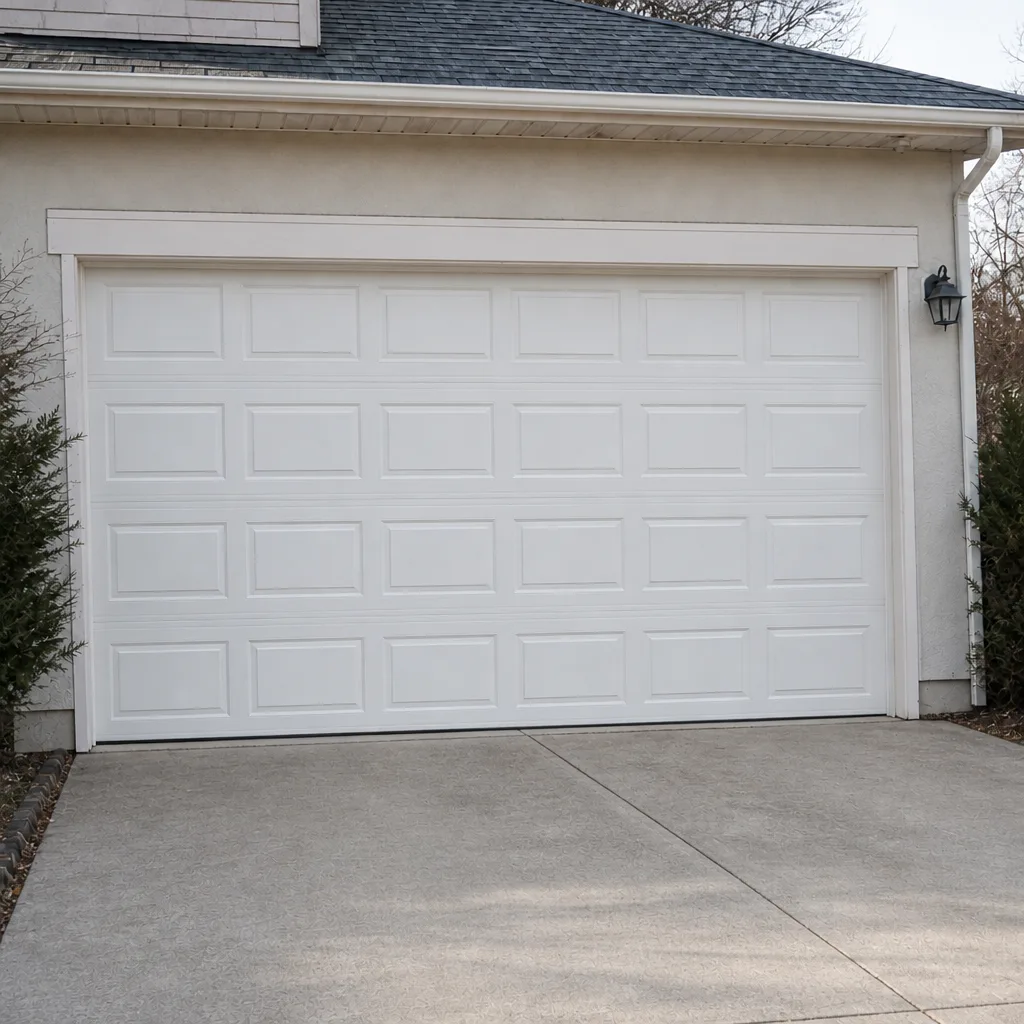 After
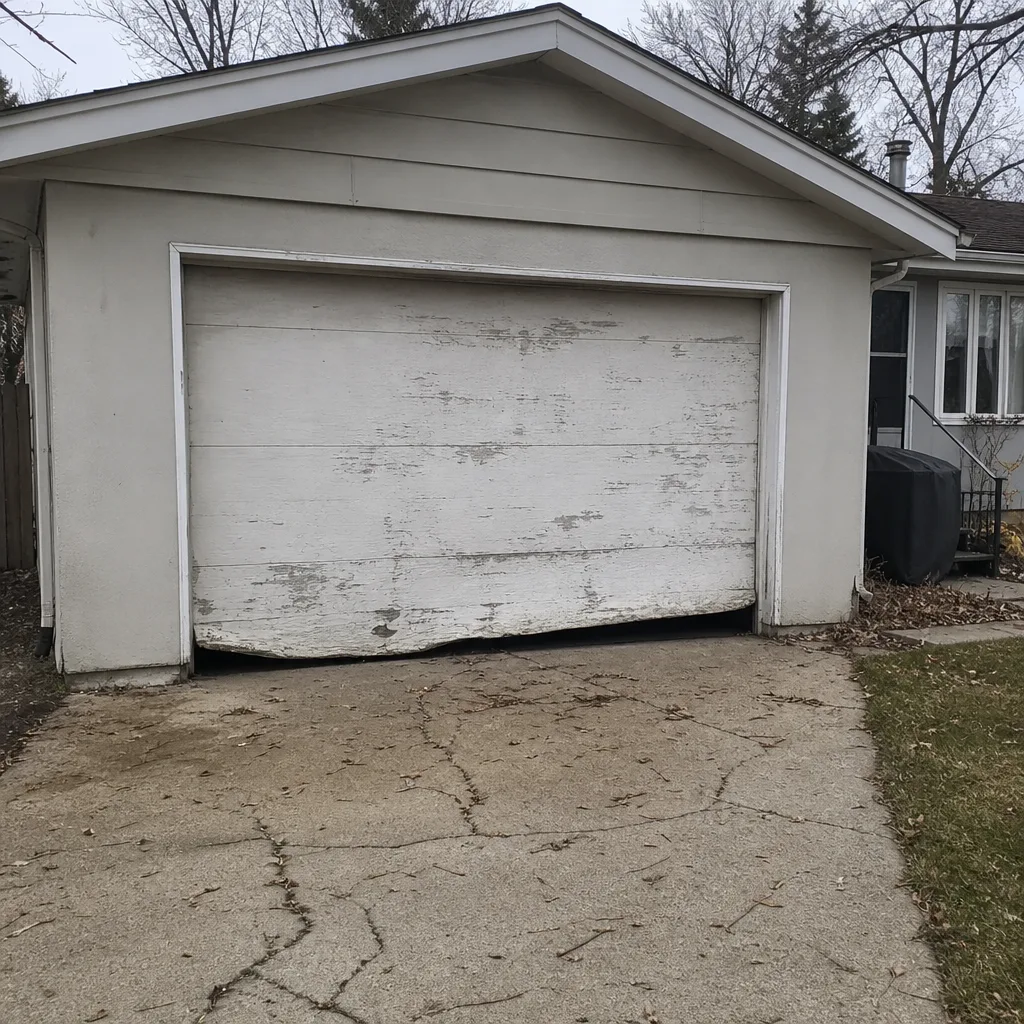 Before
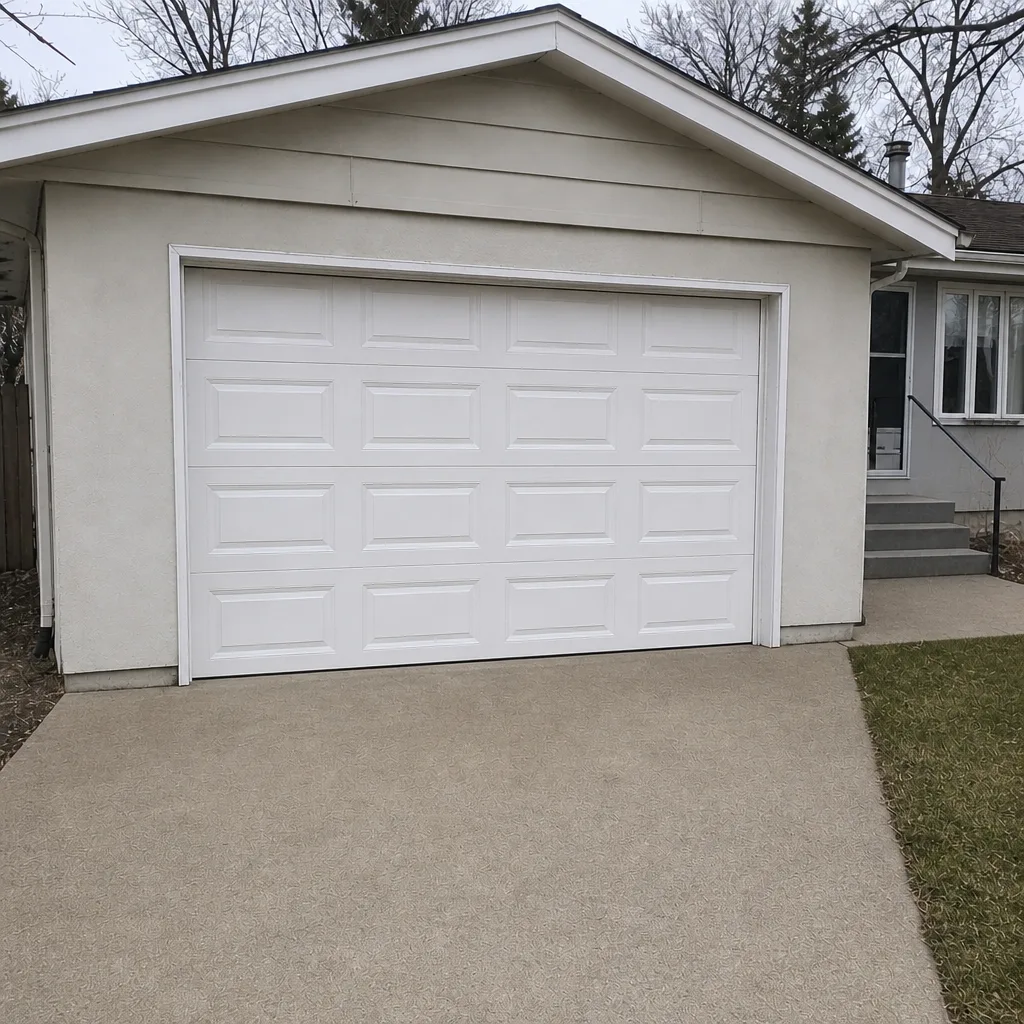 After
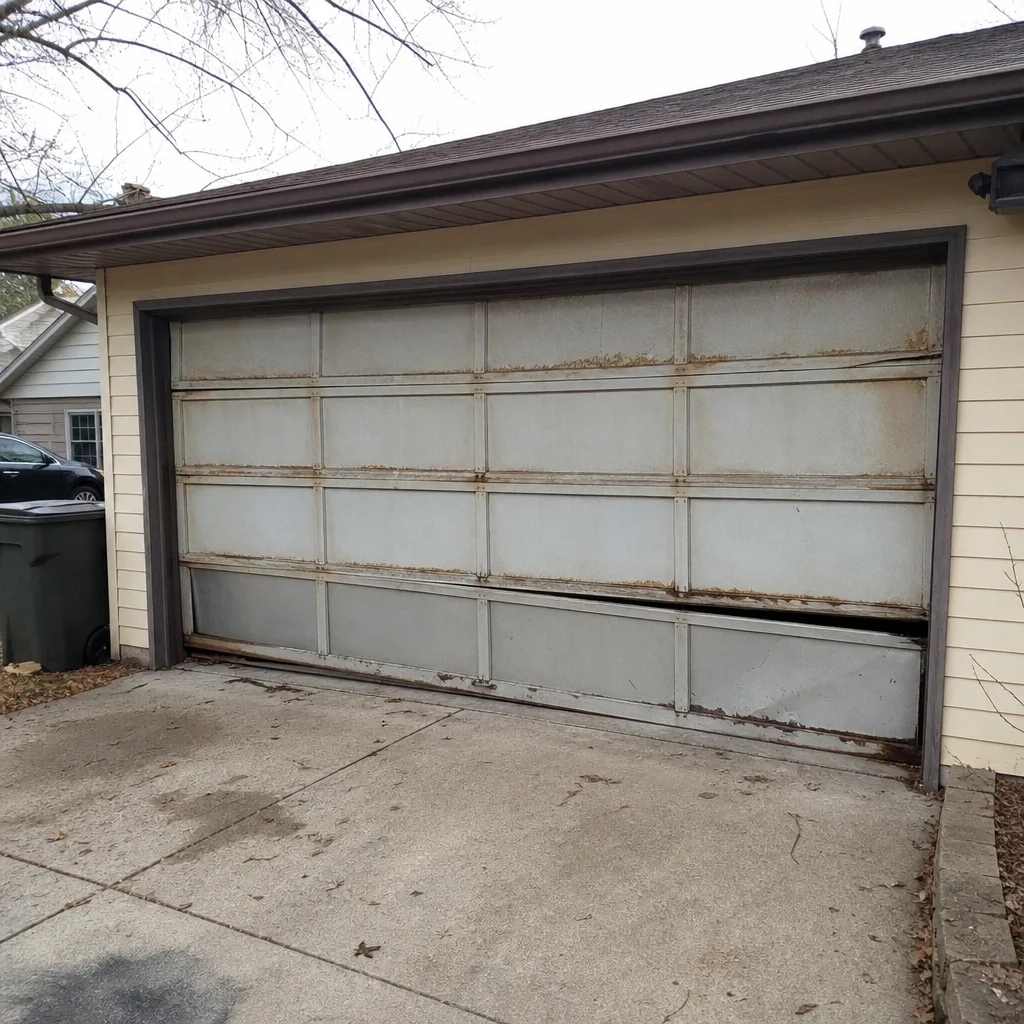 Before
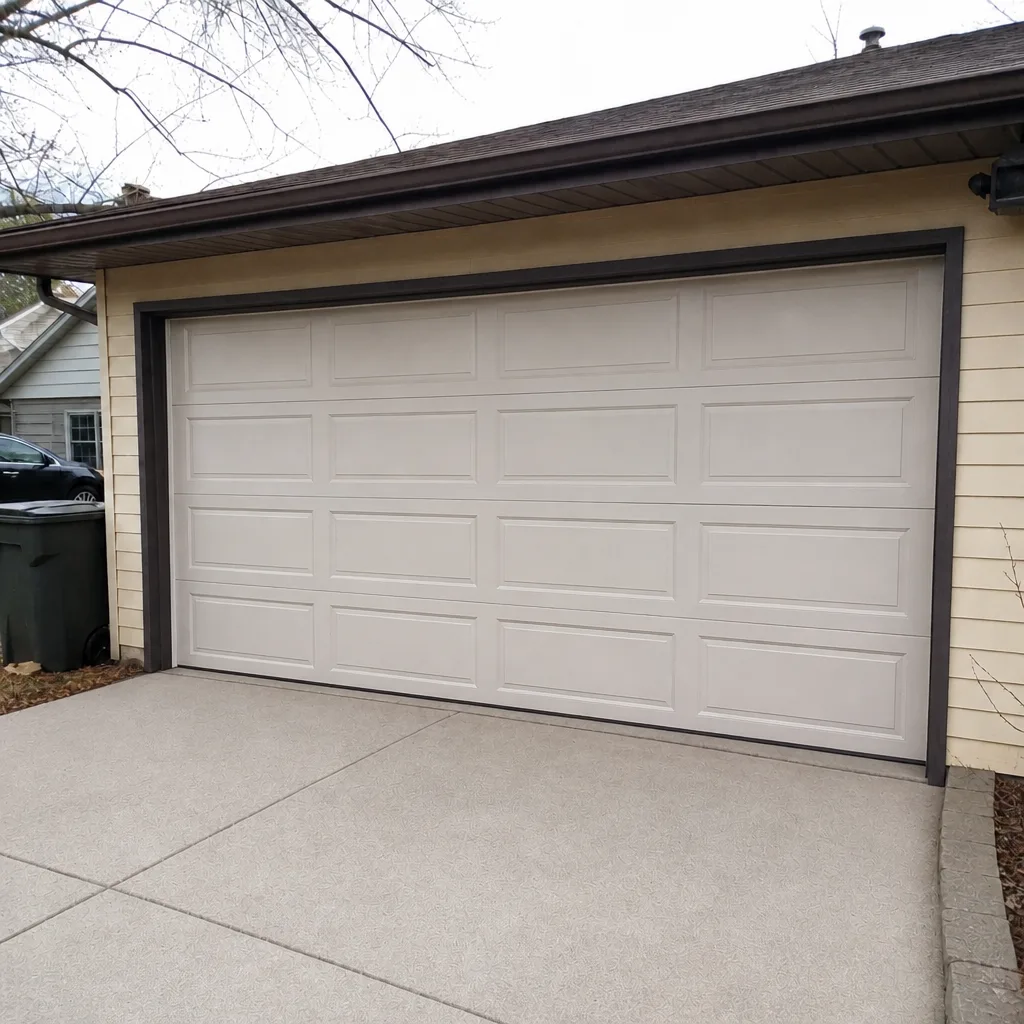 After
When to Call a Professional
Call a professional when the door won’t balance or stays down, when a spring has broken or looks compromised, when a cable is frayed, when the door is stuck open or stuck shut, when the opener reverses unexpectedly or won’t reverse at all, or any time the door has taken an impact. Those are the scenarios where a trained technician prevents a small failure from becoming a large one. Garage Door Repair Uptown is a garage door specialist, not a generalist – springs, openers, installation, and emergency response all under one company – and we handle the brands already in your garage: LiftMaster, Chamberlain, Genie, Clopay, Amarr, Wayne Dalton, and Craftsman among them. Free estimates in Uptown – call (855) 337-1679. The price is agreed before any work starts, and the written estimate sets the final cost.
Frequently Asked Questions
Twice a year is the standard, and in Uptown the two entry points are late spring and late fall. The late fall application has to be a cold-rated silicone or lithium product, not grease. If you do the fall lube and still hear squeaking in January, the product was probably too heavy for the temperature, and a light re-lube often fixes it. Call (855) 337-1679 if you want a technician to check the door after a re-lube.
You want a silicone-based or lithium-based lubricant rated for cold temperatures, applied thin, not heavy. Anything that’s meant for warm weather will stiffen below freezing and start collecting grit. Do not use automotive grease, thick spray grease, or WD-40 as a long-term lubricant on the hinges and rollers. The right product costs about the same; the wrong one causes wear instead of preventing it. If you’re not sure what’s already on the door, we can tell you on a service visit: (855) 337-1679.
Yes, and you should, but only visually and by hand-testing the balance with the opener disengaged. Lift the door to about waist height; if it’s very heavy or won’t hold, the springs have lost tension. Do not attempt to adjust or wind the spring itself. A torsion spring is under enough tension to cause serious injury. If your balance test says something is wrong, that’s a call for a technician, not a DIY project.
Because alley-access doors get hit with road salt spray every time the road is treated and every time snow melts and refreezes. The saltwater coats the bottom of the door and the bottom hinges, brackets, and rollers corrode ahead of everything else. The fix is monthly cleaning of the bottom panels in winter, a light cold-rated lubricant on the bottom hinges after cleaning, and a closer eye on the bottom seal. A proper weather seal and corrosion-resistant hinge set makes a real difference.
No. We quote after inspecting, agree the price before any work starts, and the written estimate sets the final cost. If the diagnosis turns up a bigger issue than the original description, we tell you first and you decide. There’s no work started before the quote is agreed. Call (855) 337-1679 for a free estimate.
The local pro we connect you with is licensed and insured as their state requires. Our technicians have up to 12 years of experience, and we work on the eight major brands – LiftMaster, Chamberlain, Genie, Clopay, Amarr, Wayne Dalton, Craftsman, and Raynor. Garage doors are all we do, so every technician sent out is a garage door specialist, not a general handyman. Call (855) 337-1679 to book a service visit.
The Bottom Line
Uptown garage doors don’t fail randomly. They fail in a predictable order, driven by freeze-thaw cycling and alley salt exposure, and the order is the whole reason a checklist is worth having. Inspect before October. Use cold-rated lubricant, not grease. Watch the bottom seal, the bottom hinges, and the balance of the door. Read your springs, don’t touch them. Handle the simple checks monthly and call in a technician for balance, cables, springs, and opener calibration. If you do that, you’ll spend far fewer January mornings dealing with a door that won’t open and far more of them simply driving to work.
When you need a specialist, Garage Door Repair Uptown is a garage door company focused entirely on this trade. Reach out through our garage door opener repair service page if the issue is with the motor or controls, or call (855) 337-1679 for a free estimate on any repair, tune-up, or new door.
Written by the team at Garage Door Repair Uptown.