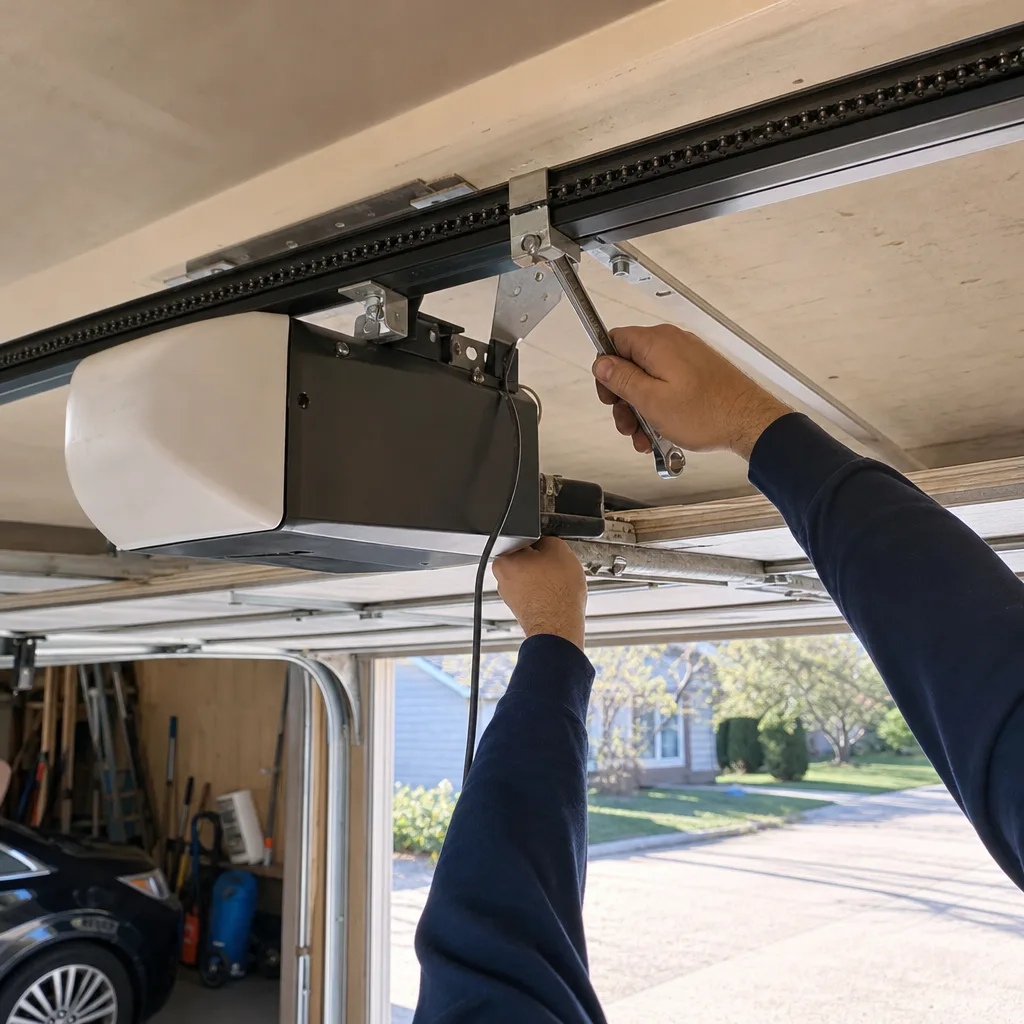
Last updated November 22, 2026
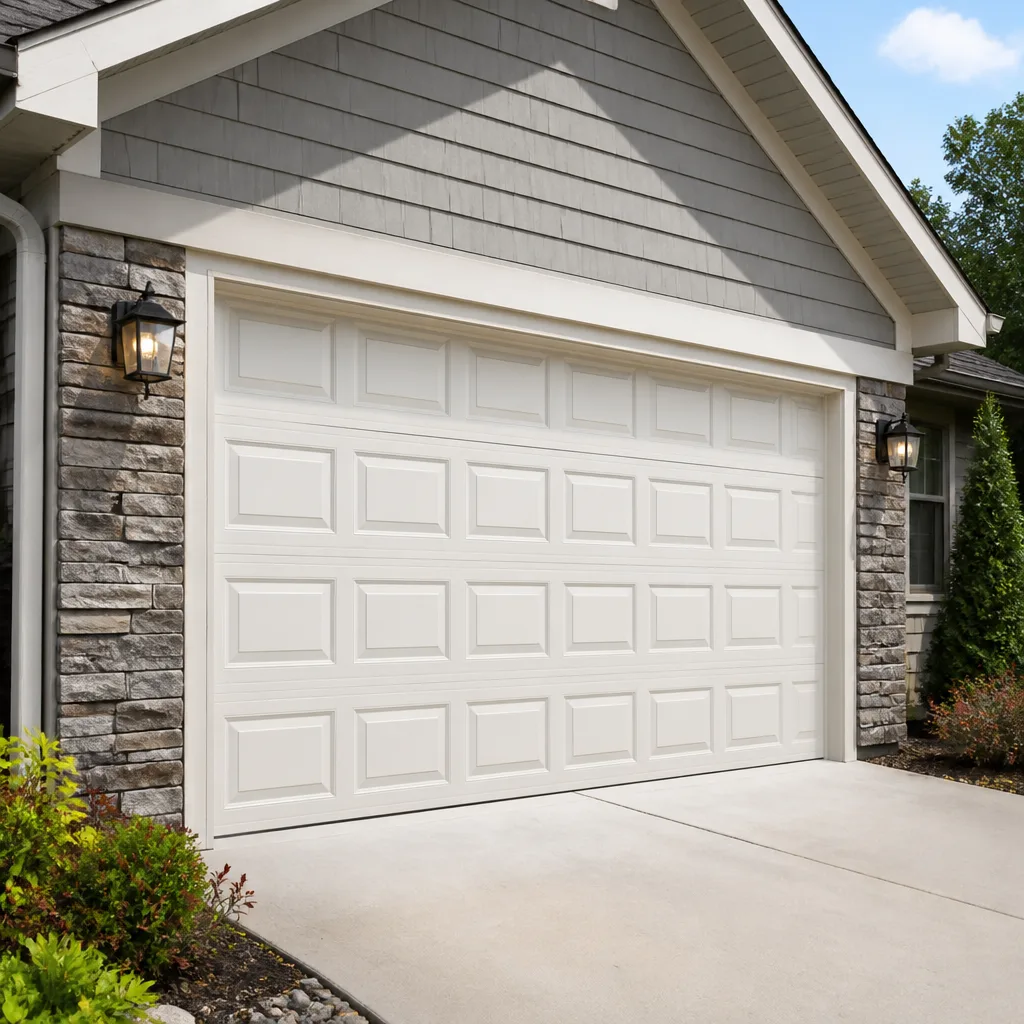 Raised-panel steel
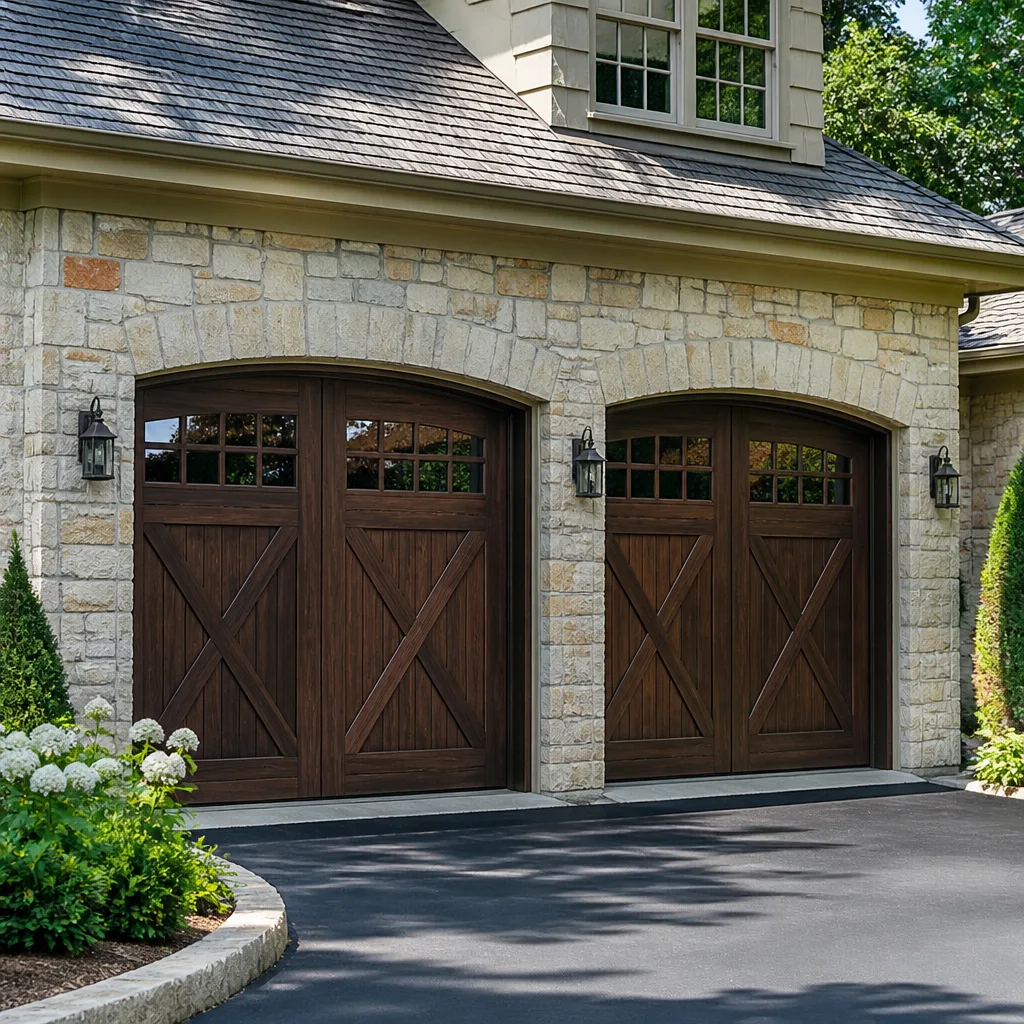 Carriage house
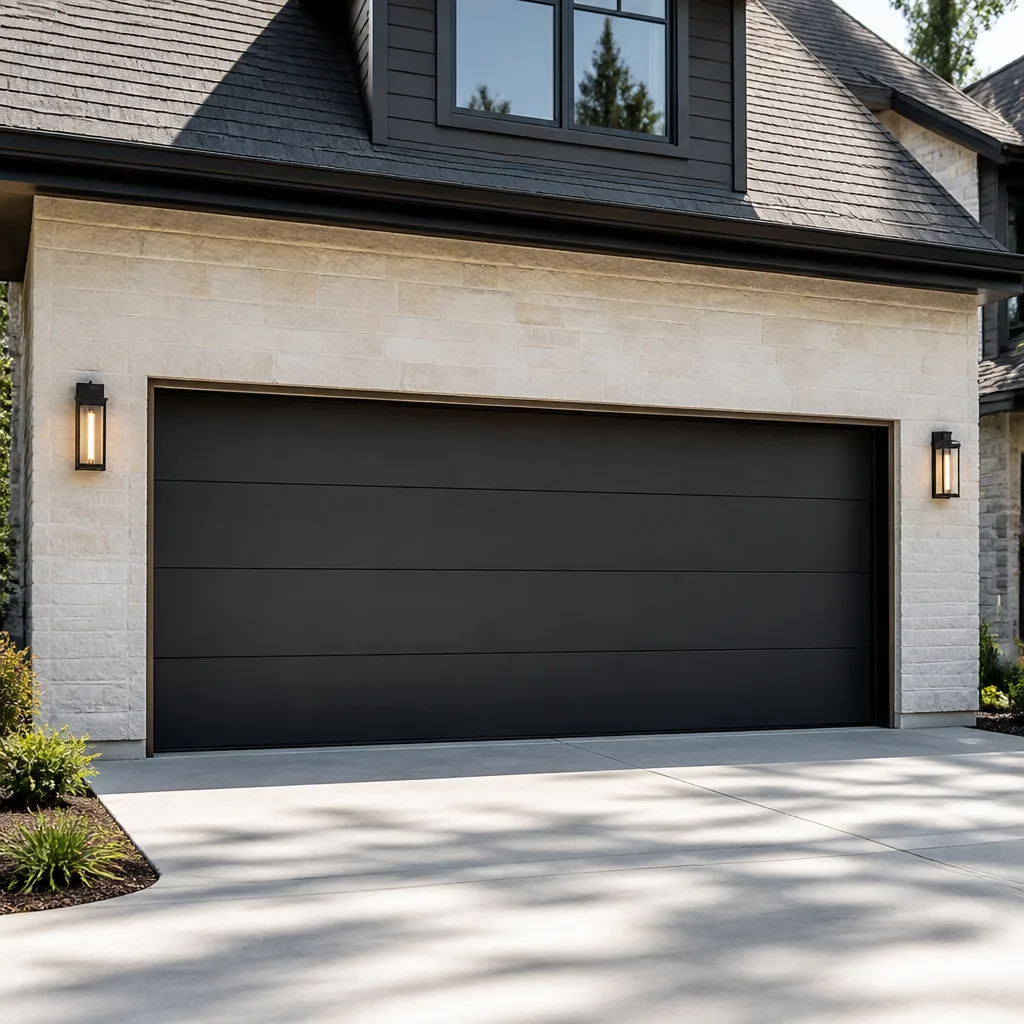 Modern flush
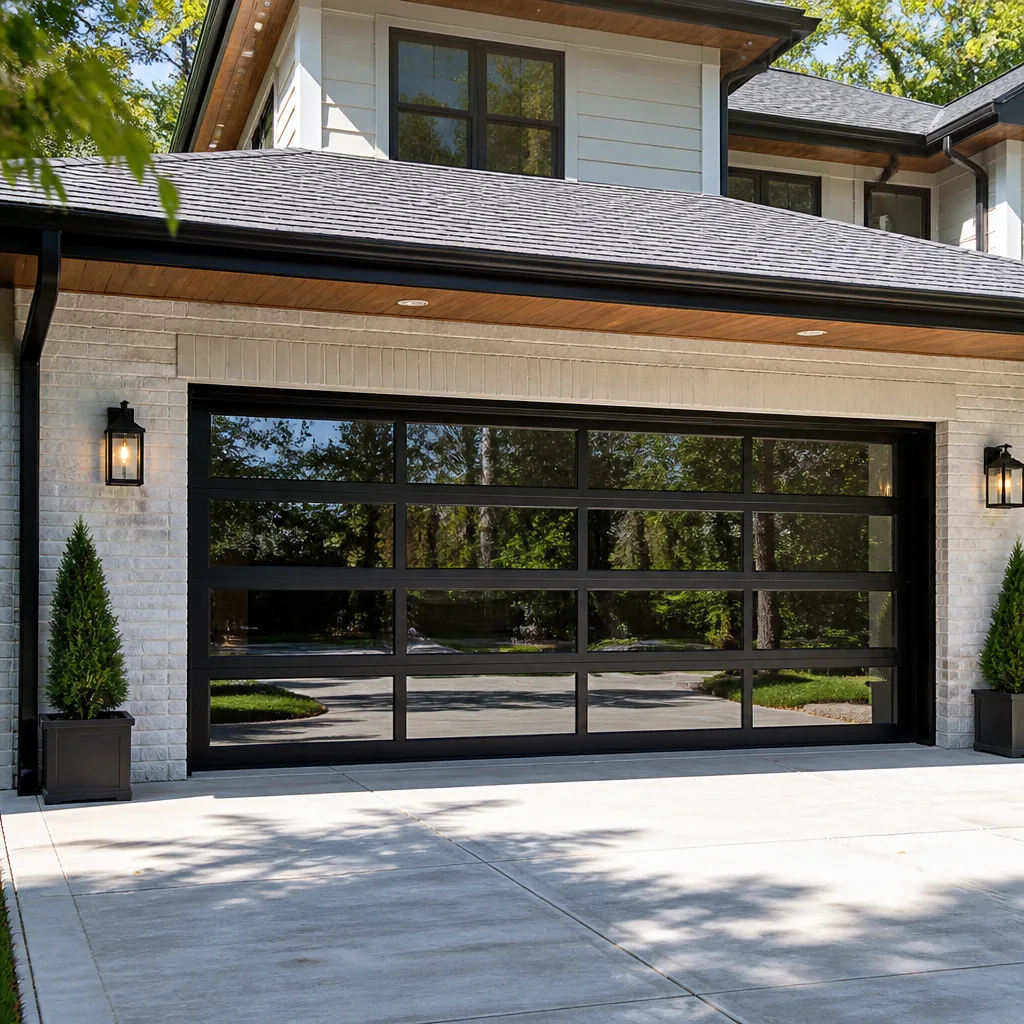 Full-view glass
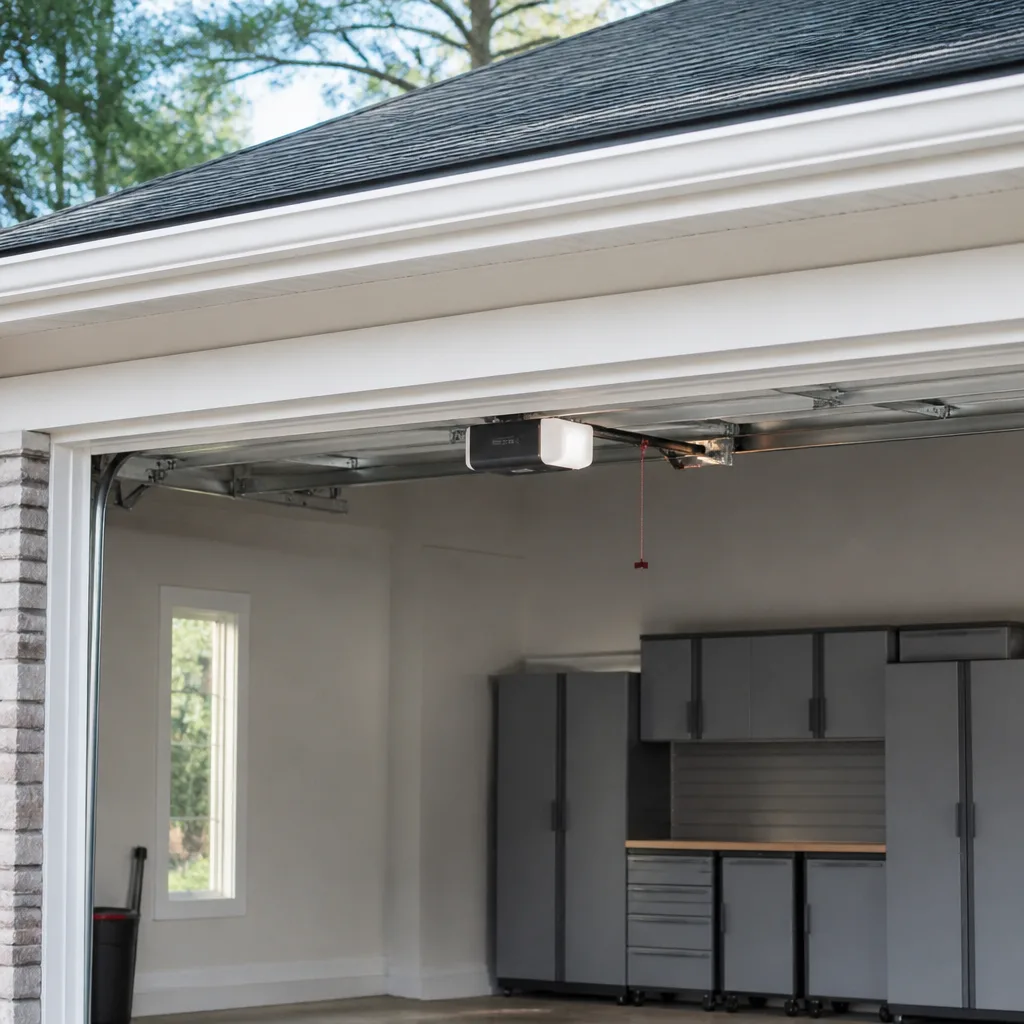 LiftMaster openers
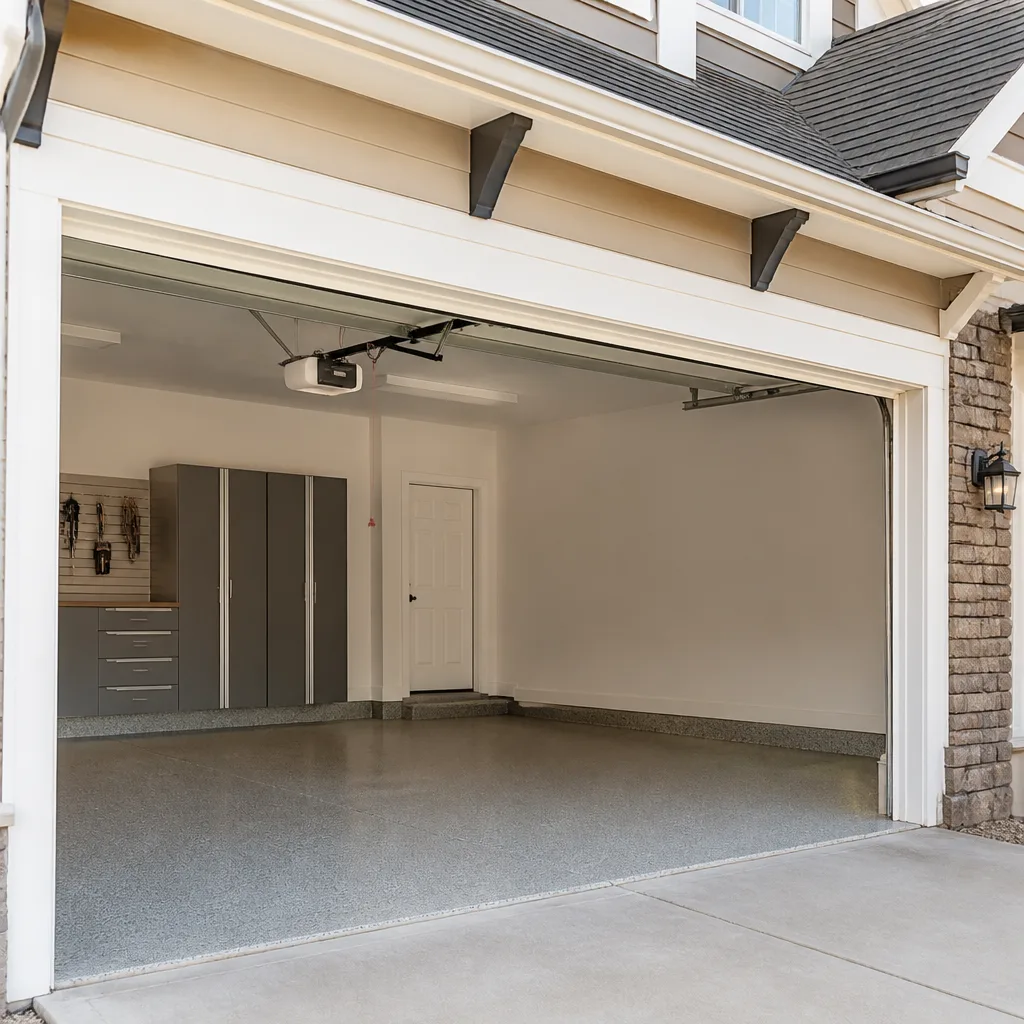 Chamberlain openers
Full 25-point door and opener safety check with every visit - springs, cables, rollers, tracks, and your LiftMaster or Chamberlain opener included
You get a price before we start. It does not change when the pro arrives.
Get your free estimateGarage Door Permits, Codes & Inspections in Uptown, MN: What You Need to Know
Here’s the part of garage door replacement nobody warns you about: the permit. Homeowners in Uptown tend to assume a garage door is like a new refrigerator, something you buy and install without telling the city. That assumption is wrong often enough to matter, and the gap between “I think this needs a permit” and “I know it does” is where small problems grow into expensive ones.
A missing permit doesn’t stay hidden. When you go to sell your Uptown home, the buyer’s inspector will look at the garage, and an unpermitted installation or a door that doesn’t match the opening it was hung in becomes a disclosed defect. That disclosure process is where deals slow down, buyers renegotiate, and sellers scramble to make things right after the fact. In this guide, we’ll walk through exactly when Minneapolis requires a building permit for garage door work, what happens if a previous owner skipped it, how zoning affects what you can install, and the inspection items a competent installer builds in automatically. If you’re planning a replacement in Uptown, this is the reading that saves you a headache later.
Quick Answer
A permit is typically required in Minneapolis when you’re changing the size of the garage door opening, altering the header above it, changing from one door system to another, or structurally modifying the wall. Replacing a door in the exact same opening with the same dimensions is often permitted without a building permit, but not always. The safest answer: call the City of Minneapolis building department before you order, and confirm the rule for your specific project. A licensed garage door professional should be able to tell you whether your job crosses the threshold.
Styles & brands we work with
- Raised-panel steel
- Carriage house
- Modern flush
- Full-view glass
- LiftMaster openers
- Chamberlain openers
Table of Contents
- When does a garage door project need a Minneapolis permit?
- When is a permit not required?
- How Minneapolis zoning and character districts affect your door choice
- What a code-compliant installation actually includes
- How to verify whether a previous owner’s installation was permitted
- The inspector’s checklist: what gets looked at
- What permits and inspections add to your project
- Why this matters when you sell in Uptown
- Common mistakes to avoid
- When to call a professional
- Frequently asked questions
When does a garage door project need a Minneapolis permit?
Most permits get triggered not by the door itself, but by what’s around it. A new door in an existing opening is a swap. A new opening, an altered header, or a structural change to the wall is construction, and that’s where Minneapolis steps in. The threshold homeowners get wrong is assuming the door drives the decision. It’s the opening that does.
Based on what we see on jobs throughout Uptown, here are the scenarios where we recommend calling the city building department to confirm a permit is needed:
- Widening or narrowing the opening. Any change to the rough opening dimensions means cutting into the wall and rebuilding the framing. That’s a structural alteration and needs a permit.
- Changing the header. The header is the load-bearing beam above the door. If it’s undersized for the new door’s weight, replacing it is a structural change.
- Converting from one system to another. Going from a single wide door to a pair of narrower doors, or the reverse, changes the load and the framing.
- Raising the door height. If you’re trying to fit a taller vehicle, the opening itself has to grow, and that means new framing and possibly a new header.
- Removing or replacing the wall between garage and living space. Any change to that firewall wall falls under permit review.
- New construction or an addition. A whole new garage or a structural addition obviously needs a permit, and the garage door installation is part of that scope.
What almost never requires a permit is a straight replacement: same opening, same track system, same door size, and same hardware. If you’re swapping a worn Wayne Dalton or Raynor in the exact opening it was hung in, and the wall isn’t being touched, the permit picture tends to be simpler. But “tends” isn’t a guarantee. The city has the final say, and every Uptown property is a little different. Our rule is simple: if the job involves cutting, reframing, or the header, we tell the homeowner to check with the building department before we order a door. A five-minute call to the city has saved more than one project from a fix-it-later scenario.
For a straight replacement without structural changes, you can learn more about how we scope the work on our garage door repair page, and a free measure will tell you whether an opening qualifies as a simple swap or triggers permit review.
When is a permit not required?
The clearest cases where Uptown homeowners usually don’t need a building permit are the ones where nothing about the opening changes. A same-size replacement, a spring or opener repair, or a scheduled adjustment typically falls outside permit territory. These are the everyday jobs, and they make up a huge share of what happens in this neighborhood.
Here’s how we sort it in practice:
- Same-size door replacement. The opening is untouched. The door comes off, the new door goes on. No framing, no header work. Usually not a permit item.
- Spring replacement. Purely mechanical. The city doesn’t care about your torsion spring. See our note below about why spring work is a safety question, not a permit question.
- Opener repair or replacement. A new opener mounted to existing hardware and wired to the existing circuit is a straightforward swap. If you’re adding a new dedicated electrical circuit, that’s an electrical permit question, and an electrician handles that piece.
- Panel or section replacement. Replacing damaged sections on a sectional door without touching the track or header usually doesn’t require a permit.
- Track and roller adjustments. Mechanical maintenance. No permit.
- Cosmetic changes to the door face. Paint, stain, windows in existing panels. No permit.
The one wrinkle in Uptown is that garages here often come with a mix of old and newer construction, and what looks like a straight swap can turn into framing work once the old door comes down. If the opening is out of square, the header is rotten, or the wall was never properly framed to begin with, the swap becomes a repair, and the repair can trigger the permit question. That’s not a reason to dread the project. It’s a reason to have a conversation about scope before the door gets ordered, so nobody gets surprised mid-install.
The safety note here matters more than the permit question. Spring work is dangerous. High-tension springs can release stored energy in an instant, and there’s no DIY fix that’s worth the risk to your hands or your face. If your door won’t lift or the spring looks broken, leave it alone and call a professional. Springs are not a permit topic, but they are absolutely a “get a specialist” topic.
How Minneapolis zoning and character districts affect your door choice
Uptown has a lot of housing stock that makes the city planning office sit up and pay attention: older homes, tight lots, alleys with garages that line them, and blocks where the look of the street is part of the neighborhood’s identity. Minneapolis zoning rules and any historic or character designation on a property can affect whether you can change the door’s style, size, or materials, especially on the street-facing elevation. If your garage faces the alley, the review is usually lighter. If it’s visible from the street or part of a designated district, the door is a design element, not just a utility item.
A few things to confirm before you buy in Uptown:
- Historic or character designation. Some blocks fall inside districts that review exterior changes. Ask the city whether your property is in one before you pick a door style.
- Street-facing garages. If the door is visible from the street, the city may have opinions about style and material. A door that works perfectly for a rear-alley garage may need a different look on a front elevation.
- Setbacks and lot coverage. If you’re rebuilding or expanding a garage, the footprint, height, and placement need to comply with zoning. Larger than the previous garage often means a variance.
- Alley-facing garages. Common in Uptown, and usually the more straightforward case. Still worth confirming whether the alley-facing door is treated as a different elevation than the rear of the house.
- HOA or deed restrictions. Separate from the city, but real. Neighborhood associations and covenants sometimes have style rules of their own.
In practice, a straight replacement with a door that matches the current style and size is the path of least resistance in Uptown. A custom door in a very different style, or one that changes the opening, is where you want to have the conversation before you order. Our technicians have up to 12 years of experience with this neighborhood’s housing stock, and we can flag a door that’s likely to run into a design review before you put money down. If you’re choosing between materials and finishes, our garage door installation page walks through the options; anything that changes the opening goes back to the permit conversation first.
What a code-compliant installation actually includes
A code-compliant install is not just a door hung in an opening and a button on the wall. It’s a system: a rated door, a properly sized header, correct spring and track ratings, a safety-reversed opener, and hardware that matches what the manufacturer requires. Each piece has a role, and if any of them is out of spec, the whole assembly can fail early, run poorly, or (in the worst case) present a safety problem to anyone standing under it.
Door and hardware ratings
- Door weight rating. The springs have a rated life tied to the door’s weight and height. A spring wound for the wrong door will fail early and put stress on the opener and hardware.
- Track gauge and brackets. Lighter tracks that look fine on a lighter door will bend and pull free on a heavier one. Proper track gauge and anchoring matter.
- Bottom bracket and cable safety. The bottom bracket and its cable connection need to be in good condition; a frayed cable or loose bracket is a legitimate hazard and should be addressed by a professional, not re-secured by the homeowner.
- Hinges and rollers rated for the door. Matched hardware for the door weight extends the life of the whole system.
Header and framing
- Header size and integrity. The header needs to carry the door’s weight and any load above it. If the existing header is undersized, rotten, or simply too short for the new door, it gets rebuilt.
- Jamb and casing. Straight, plumb, and properly fastened. A door hung against an out-of-square jamb will bind and wear its hardware quickly.
Opener safety standards
- Photoelectric safety sensors. Modern openers require a beam across the door opening that reverses the door if anything crosses it.
- Force-reversal setting. The opener must reverse on contact with an obstruction, and the setting has to be adjusted to the actual door weight.
- Wall-mounted control. A control at standing height inside the garage, clearly labeled, and out of the reach of small children.
- Manual release. The red pull cord that lets you operate the door by hand if the opener fails or the power goes out.
When we install or replace an opener from LiftMaster, Chamberlain, or Genie, the safety-reversal setup is part of the job, not an add-on. It’s the piece that keeps a closing door from coming down on a child or a pet, and it’s the piece an inspector will test first. If your current opener is older, the sensors might be missing or the reversal setting may not actually work. That’s worth checking even if nobody’s asking for a permit. If the opener hardware itself is failing, our garage door opener repair team can diagnose it on a single visit most of the time.
How to verify whether a previous owner’s installation was permitted
If you bought an Uptown home in the last few years and you don’t know whether the garage door was permitted, you can look it up. Minneapolis has an online permit and inspection history search that lets you search by property address. Pull the record for your address and look for anything tied to the garage: a building permit for a door replacement, an alteration, or a new garage. If the records show a permit that was pulled and finaled, you’re in good shape. If they show a permit that was pulled but never finaled, that’s a call to the city. If they show nothing at all and the door looks newer than the rest of the garage, that’s worth a closer look.
Here’s the practical process we suggest to homeowners who ask:
- Search the city permit portal by address. Look for garage-related permits in the past several years, and note whether they were finaled (closed with a passed inspection) or left open.
- Check the disclosure documents from your purchase. Sellers in Minnesota are required to disclose known defects and unpermitted work in many cases, and a garage door replacement may show up there.
- Look at the door itself. Newer panel styles next to older framing, mismatched hardware, or a header that doesn’t look finished are clues the install happened later. Not proof, just signals worth checking.
- Call the city building department with the address. Ask whether any open permits exist on the property and whether the garage door installation falls within an approved scope.
- If it was never permitted and the work required one, ask the city what the path forward looks like. Often the answer is to have the work inspected as it currently is, or bring it into compliance. Either way, you want to know before a buyer’s inspector does.
The good news: a garage door replacement done correctly is usually not a costly retrofit even if it needs to be brought into compliance. The expensive scenario is finding out during a sale, with a buyer holding the leverage and a closing date on the calendar. If you’re in that situation now and you want a professional to review the installation, our Garage Door Repair Uptown team can walk the door, the opener, and the framing with you and tell you what an inspector will likely flag. That’s the kind of pre-emptive check that keeps a small issue from becoming a closing problem.
The inspector’s checklist: what gets looked at
When a garage door installation is inspected, the inspector isn’t just confirming a door exists. They’re checking that the door is hung correctly, the hardware is rated for the door, the opener is safety-compliant, and the framing is what the permit described. A contractor who knows the checklist builds these items into every install as a matter of course, which is why a properly permitted job usually passes without a scramble. If any of these shows up as a red flag at inspection, it means something got skipped during installation.
- Door is plumb, level, and operates smoothly by hand. A door that binds when disconnected from the opener has a track or alignment problem.
- Springs are the correct wire size and wind count for the door weight. Mismatched springs are the most common skip we see.
- Track is the correct gauge and properly anchored. Lighter track on a heavier door is a fail.
- Bottom brackets and cables are intact and correctly installed. Cable condition gets checked because cable failure is a genuine hazard.
- Header is the size and material the permit specifies. If the permit describes a doubled header and the site has a single, that’s a red flag.
- Opener has functioning photoelectric safety sensors. Beam aligned, both sensors wired, and the door reverses when the beam is blocked.
- Force-reversal setting is properly adjusted. The door reverses on contact with a test obstruction.
- Manual release works. The red cord pulls clean and the door can be operated by hand.
- Wall control is at the correct height and clearly labeled. Out of the reach of small children.
- Warning labels are in place. Springs and doors carry required labels; missing ones get noted.
None of these are unusual or exotic. They’re the ordinary standards of a good install. The reason we mention them is that the difference between a contractor who builds them in and a contractor who skips a step is invisible to a homeowner on the day of install. It becomes visible later, at inspection, or at the sale. Certified familiarity with the major brands helps here: knowing the specific spring ratings and hardware for a Clopay or Wayne Dalton door makes it easier to build the right install on the first attempt. Most repairs we’re called to for brand-name systems are diagnosed and completed in a single visit, and that’s because we’re working on the hardware we already know.
What permits and inspections add to your project
A Minneapolis building permit for garage door work usually runs a modest fee relative to the door itself, and the inspection is included in the permit. The exact fee depends on the scope and is set by the city, so ask the building department for the current fee schedule for your project type. It’s not the permit fee that moves the needle on a garage door budget. It’s the work involved in bringing an opening or header up to code when the original install didn’t do it, which is a scenario we sometimes find in Uptown garages that have gone through several decades of prior owners.
Typical estimated ranges Uptown homeowners ask us about, so you have a rough picture before you call the city:
| Item | Typical estimated range |
|---|---|
| Single spring replacement (one spring) | $180 – $340 |
| Matched spring pair (both springs, usually recommended together) | About twice the single-spring range |
| Opener repair | $150 – $400, depending on the part |
| Full door replacement (same-size swap, no structural work) | $800 – $2,500, depending on door type and insulation |
| Structural changes (widening opening, new header) | Quoted per job once the framing scope is known |
| Permit fee | Set by the City of Minneapolis; confirm with the building department |
These are estimates, not quotes. The written estimate we give you after the measure is the price, and it’s agreed before any work starts. If we find something during the install that changes the scope, we stop and talk to you before proceeding. Nobody should come home to an invoice bigger than the quote, and that’s why we put the number in writing up front. If you want a sense of what a specific job would run, call (855) 337-1679 and we’ll walk you through it.
Why this matters when you sell in Uptown
Garage doors don’t usually make or break a sale on their own. What breaks a sale is the disclosure conversation. If your Uptown home goes on the market and the buyer’s inspector notes that the garage door looks newer than the last permitted work on record, the buyer’s agent will ask about it. If the answer is “I don’t know whether it was permitted,” the buyer now has a negotiating point, and the closing loses momentum while everyone waits for paperwork. A small missed permit on a routine replacement can hold up a closing, even on a home priced well above what the garage door itself cost.
The flip side is that having the paperwork in hand is simple damage control. If you pulled a permit and it was finaled, you have a piece of paper that says the installation was inspected and passed. That paper closes the conversation. If you’re preparing to sell in Uptown and the garage door’s history is unclear, spend the time to look it up now rather than during the inspection contingency window. If it was never permitted but the installation itself is sound, bringing it into compliance is usually manageable. If you’d rather start with a professional review before calling the city, we can take a look at the door, the opener, and the framing and tell you what an inspector is likely to ask about. The same review is worth doing if you’re buying an Uptown home and want to know what you’re inheriting; it’s much cheaper than discovering a problem after closing.
The bottom line is that the permit record is part of your home’s resale story. Treat it like you’d treat the roof or the furnace: keep the paperwork, know the history, and fix the gaps before someone else finds them.
Common mistakes to avoid
- Assuming a garage door is too small to need a permit. The door isn’t the trigger, but changing the opening, the header, or the wall is. Skipping the permit question on a framing change can leave you with unpermitted work and a disclosure issue later.
- Ordering the door before confirming the scope. Doors are built to spec and can’t be returned easily. Confirm the opening size, the permit picture, and any historic or character rules before you order in Uptown.
- Ignoring historic or character designation. Blocks in Uptown with designation review can restrict door style and materials. A design the city rejects is a design you can’t install.
- Letting an unlicensed handyman handle a header rebuild. A garage door is not a general handyman job when the framing is involved. The structural piece is the part that gets inspected.
- Assuming the buyer’s inspector won’t notice. Inspectors look at garage doors closely and often note unpermitted work. A quick check now saves a renegotiation later.
- Skipping the opener safety check because “it works.” A door that opens and closes isn’t the same as a door whose reversal and sensors function. An inspector will test both.
- Treating springs as a weekend DIY. Springs hold enormous stored energy, and a failure can cause serious injury. This is every bit as important as the permit side of things: leave spring work to a trained technician.
When to call a professional
Call a garage door specialist when the work touches the framing, when you’re replacing the door in a different opening or size, when the opener is being replaced and you want the safety-reversal setup verified, or when you’re not sure whether an existing installation was done to code. Call when spring work is on the table; this is not a DIY job, and the wrong move with a loaded spring can cause a serious injury. Call before you list your Uptown home if the garage door’s permit history is unclear. Call when the door is stuck open or jammed shut, because that’s a security problem as well as a mechanical one, and we treat it that way.
Our technicians have up to 12 years of experience, and our focus is entirely on garage doors. We work on the brands already in your garage: LiftMaster, Chamberlain, Genie, Clopay, Amarr, Wayne Dalton, Craftsman, and Raynor. Garage Door Repair Uptown offers free estimates in Uptown, and we’ll tell you plainly what needs a permit and what doesn’t. Call (855) 337-1679 to schedule a measure.
Frequently Asked Questions
It depends on the scope. A same-size replacement in an unchanged opening often doesn’t require a permit, but changing the opening size, the header, or the framing does. Call the City of Minneapolis building department with your specific project before ordering. If you want a professional opinion on which category your job falls into, call (855) 337-1679.
Permit fees are set by the City of Minneapolis and vary with the project scope, so the city’s building department is the best source for an exact number. The fee itself is usually small relative to the door. The bigger cost question is the framing scope, and that’s what a free measure will tell you. Call (855) 337-1679 for an estimated range on your project.
It becomes a disclosure item if you sell, and the buyer’s inspector may flag it. You can check the city permit portal by address to see what records exist, and if the work should have been permitted, ask the building department about bringing it into compliance. Have a professional review the installation first so you know what the inspector will likely ask about.
Not typically. A straight opener swap on existing wiring isn’t usually a building permit item, but adding a new dedicated electrical circuit is an electrical permit question that an electrician handles. The safety-reversal setup and photoelectric sensors still need to be correctly installed and functioning. Call (855) 337-1679 if you want the opener checked before an inspection.
We don’t recommend it. Even on a same-size replacement, the torsion springs, the bottom bracket, and the door weight create real hazards, and an install that doesn’t meet the code standard on safety reversal and header sizing can fail inspection or worse. Springs in particular need a trained technician. Call us for a free estimate instead.
Search the property on the City of Minneapolis website or call the building department and ask directly. If the property is in a review district, changes to a street-facing garage door may need design review before installation. Confirm before you order a door. Our team can walk the project with you, and you can reach us at (855) 337-1679.
Yes. Photoelectric sensors and force-reversal are among the first items an inspector checks, because they’re the parts that protect people. If your opener is older or the sensors aren’t wired, expect that to come up. We can test and repair it on a visit most of the time.
The Bottom Line
The garage door permit question in Uptown comes down to one principle: the door isn’t the trigger, the opening is. Same-size swaps usually don’t need a permit; anything that changes the opening, the header, or the wall usually does. Confirm with the City of Minneapolis before you order, check historic or character rules for street-facing garages, and know whether an existing installation was permitted before a buyer’s inspector does the checking for you. A code-compliant install is a package: rated door, correct header, matched springs and hardware, and an opener whose safety reversal actually works. Skip any of those, and the missing piece tends to surface at the worst possible moment. Call Garage Door Repair Uptown at (855) 337-1679 for a free estimate, and we’ll help you sort out what your project needs.
Written by the team at Garage Door Repair Uptown.
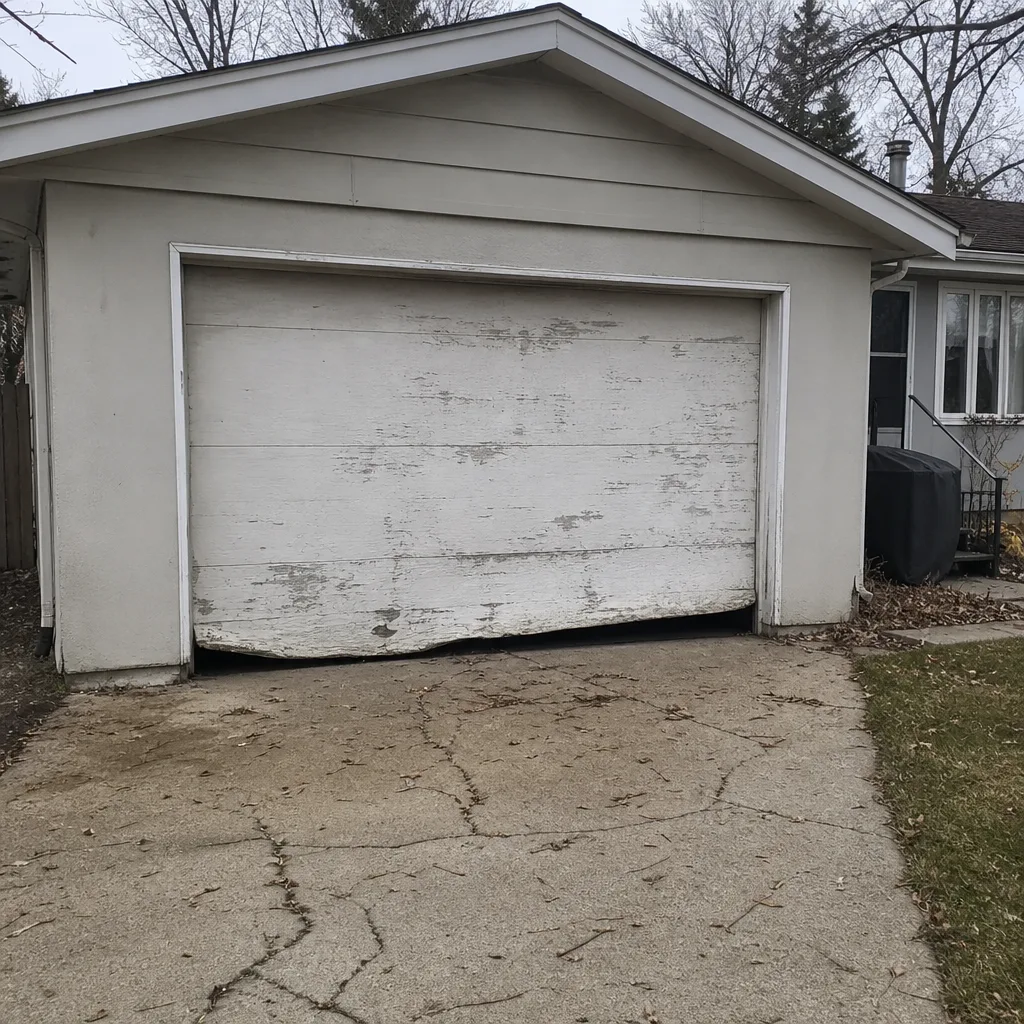
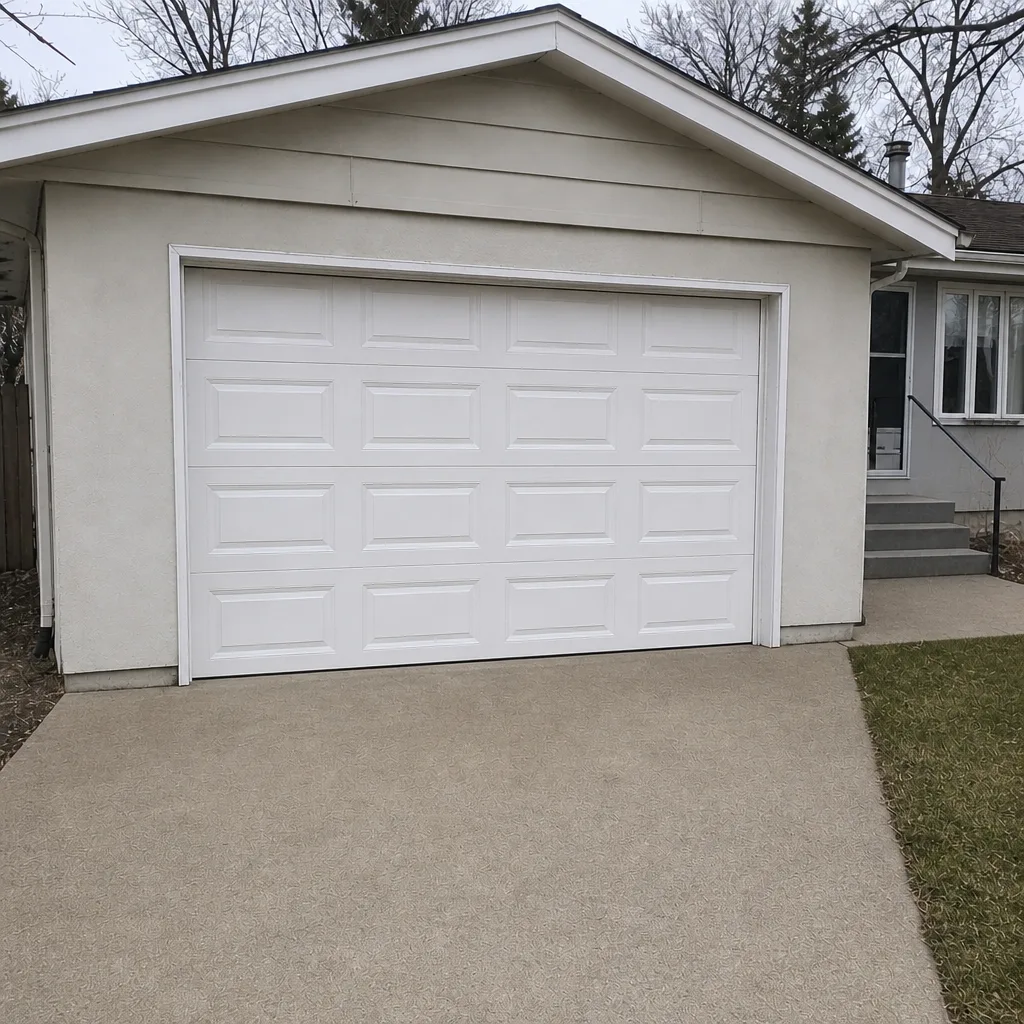
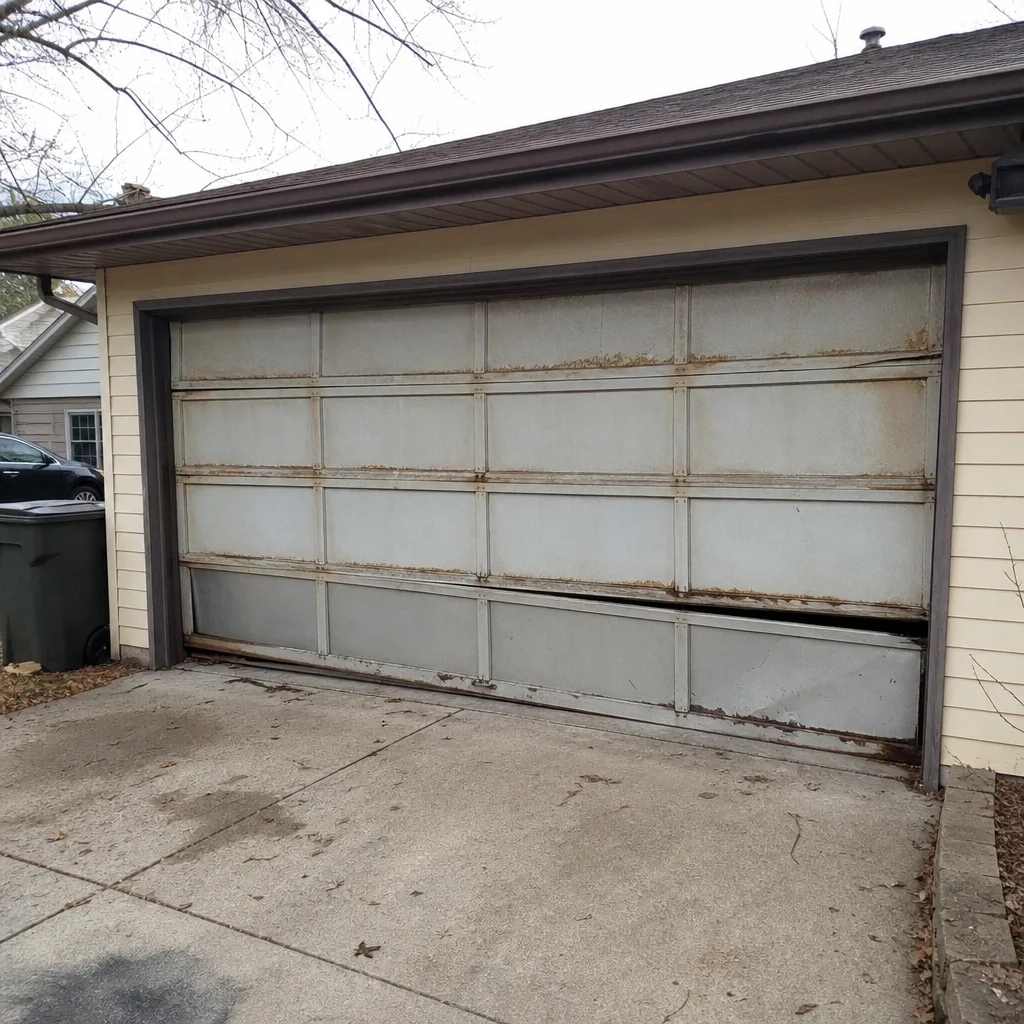
See the difference
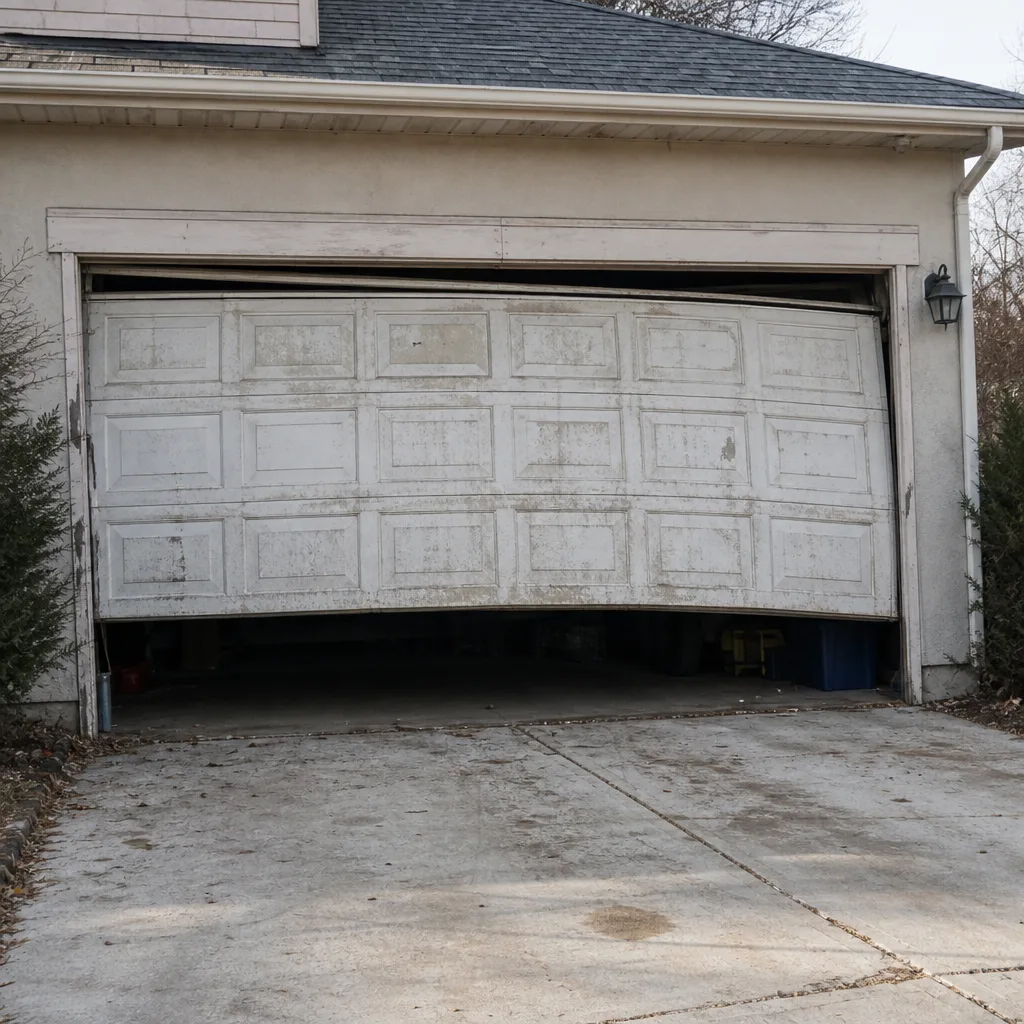 Before
 After
 Before
 After
 Before
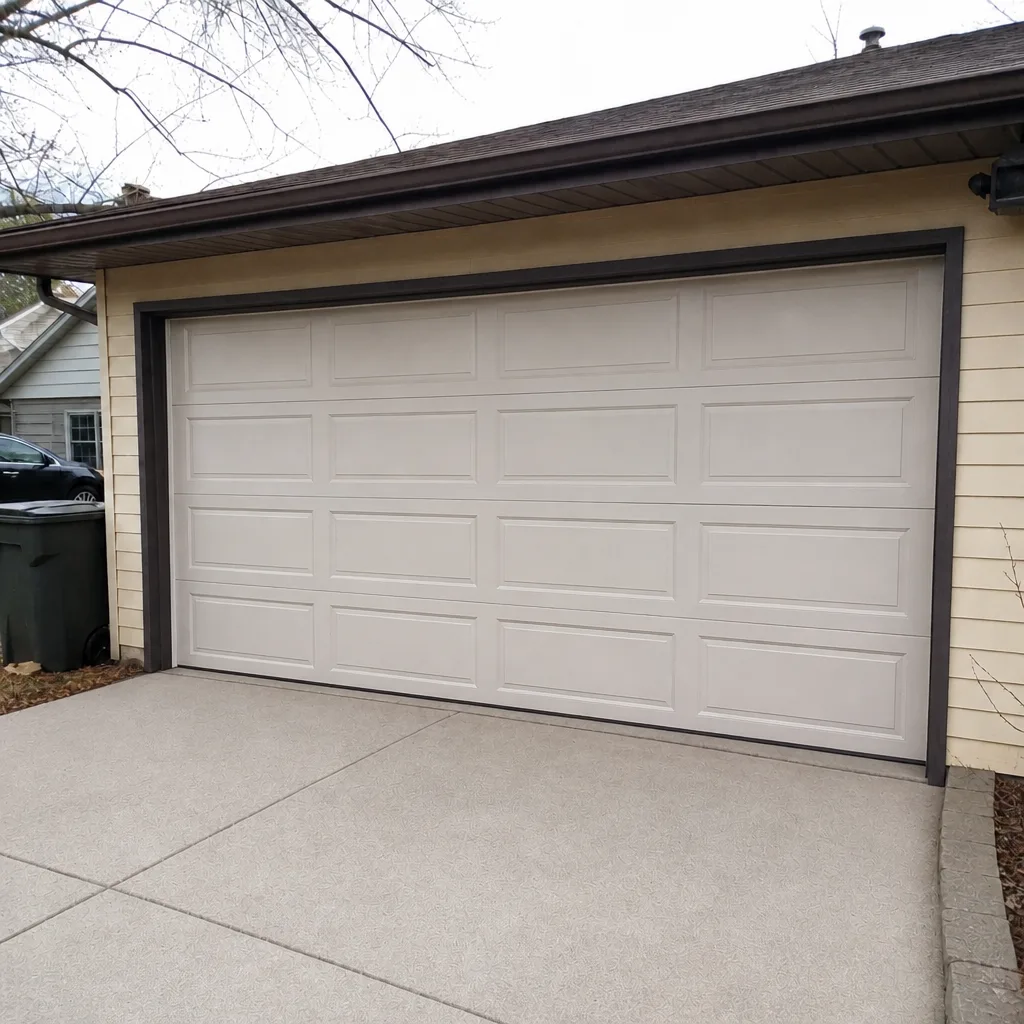 After