Last updated November 22, 2026
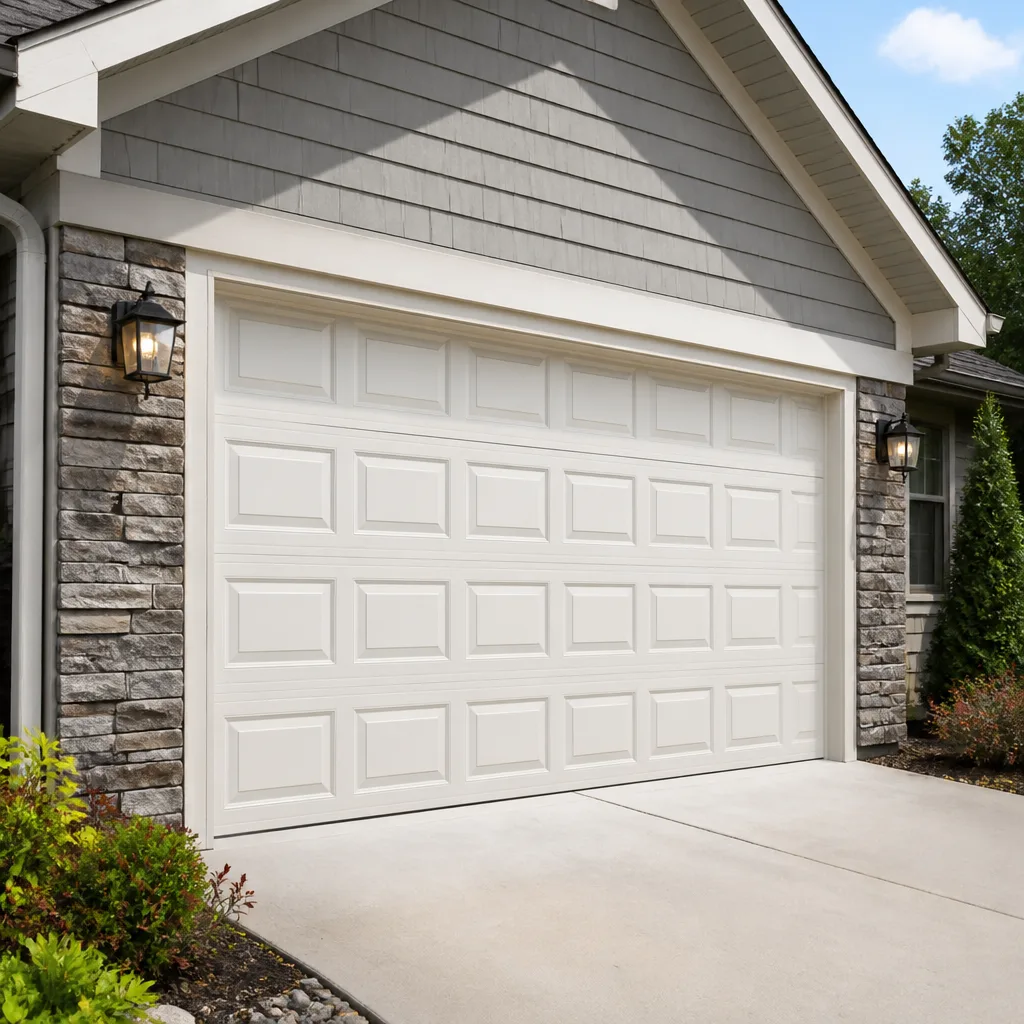 Raised-panel steel
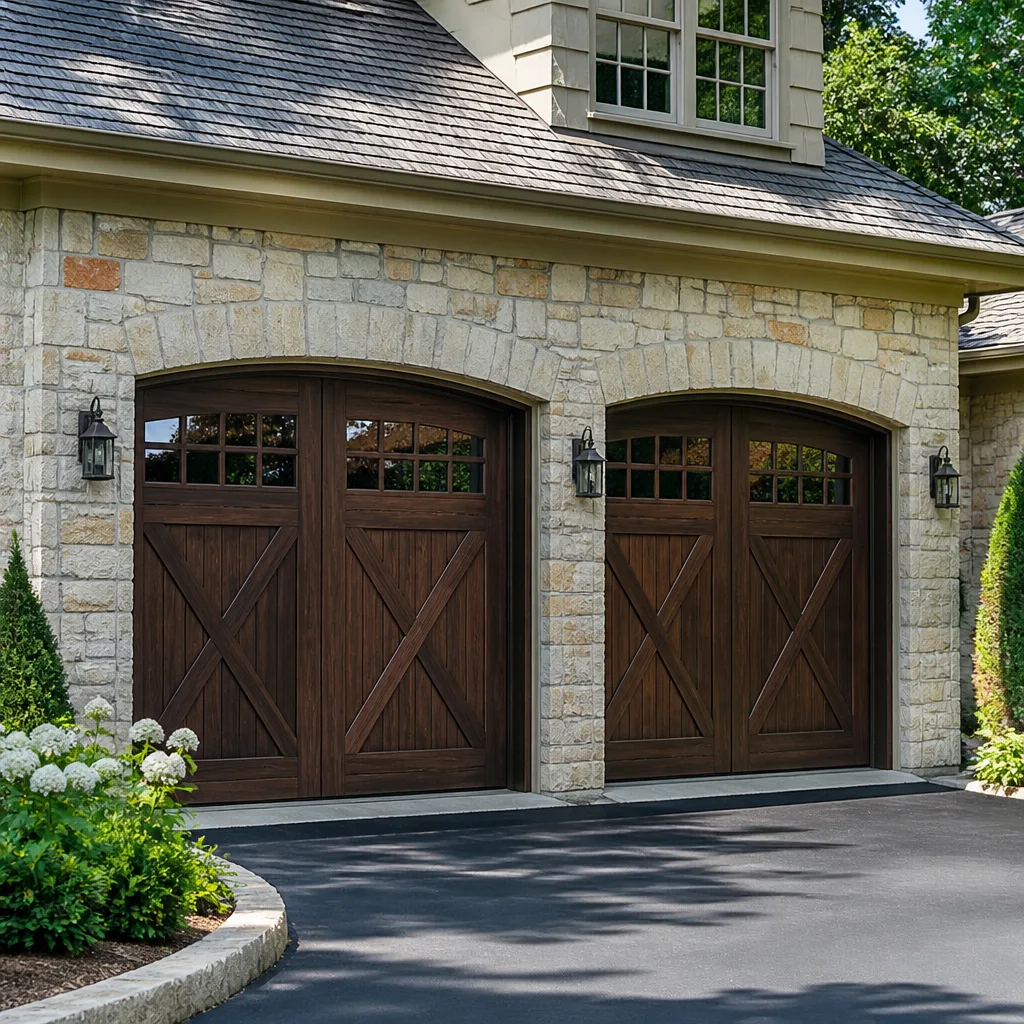 Carriage house
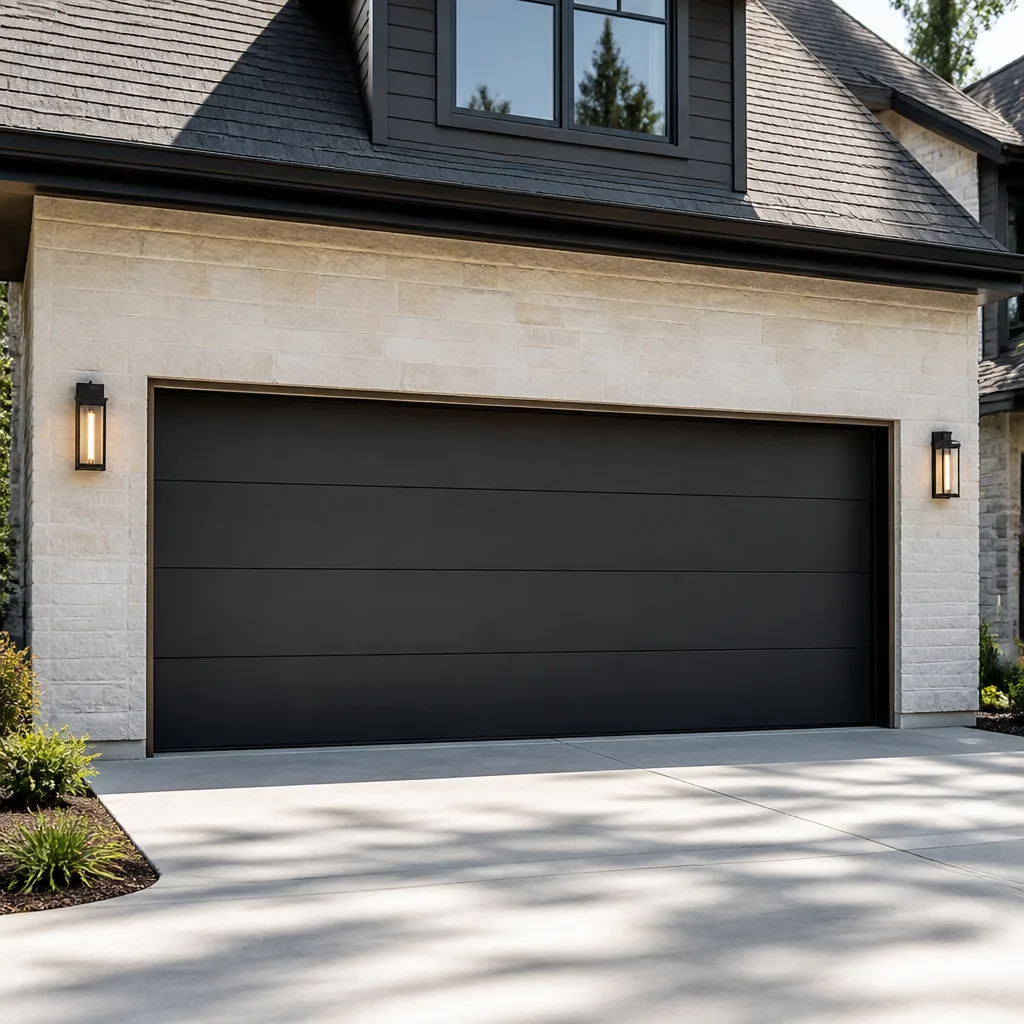 Modern flush
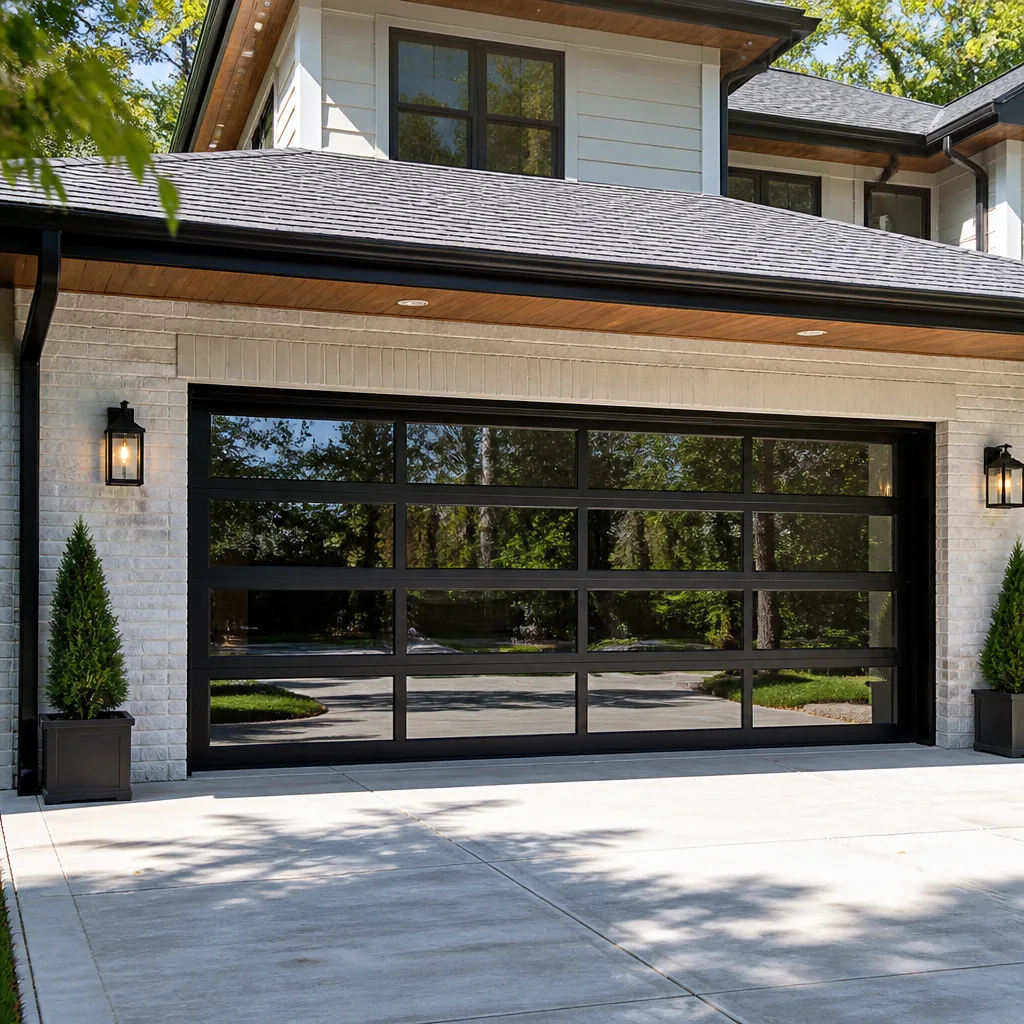 Full-view glass
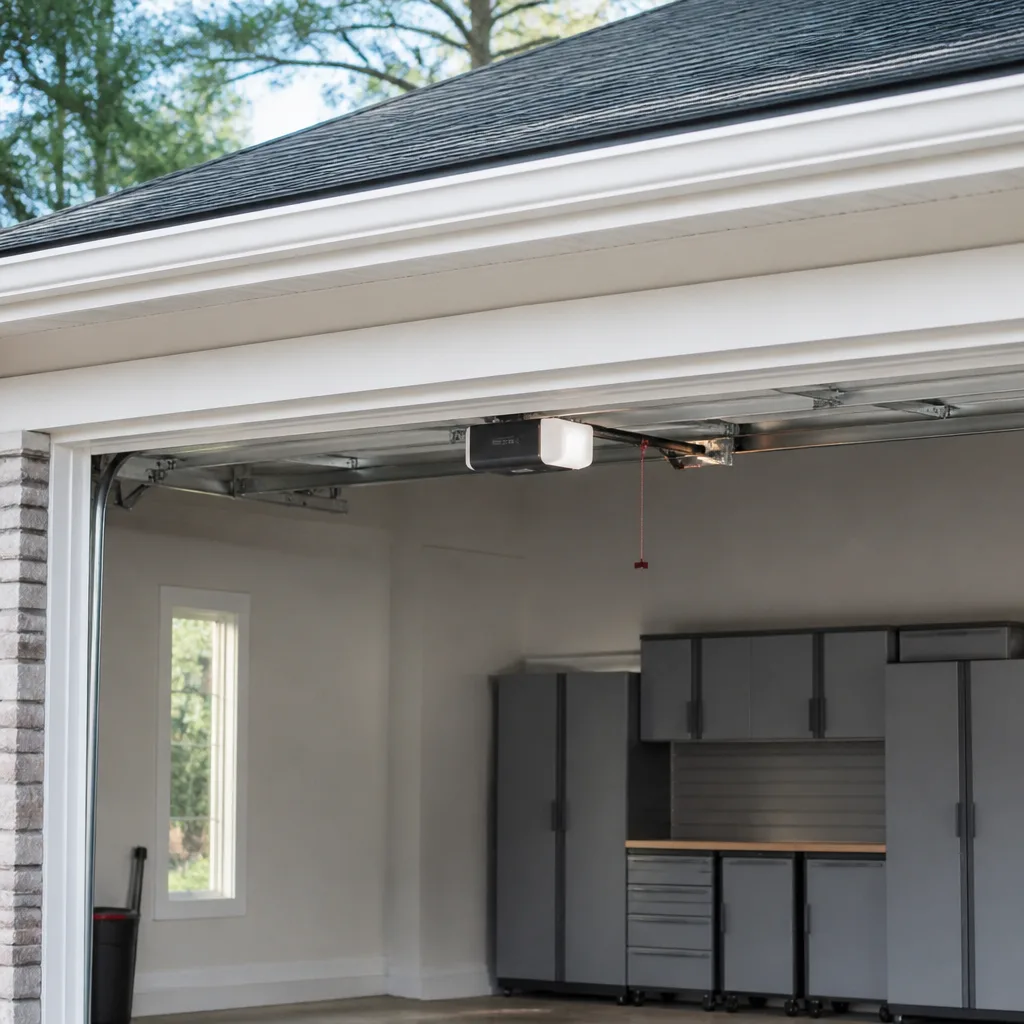 LiftMaster openers
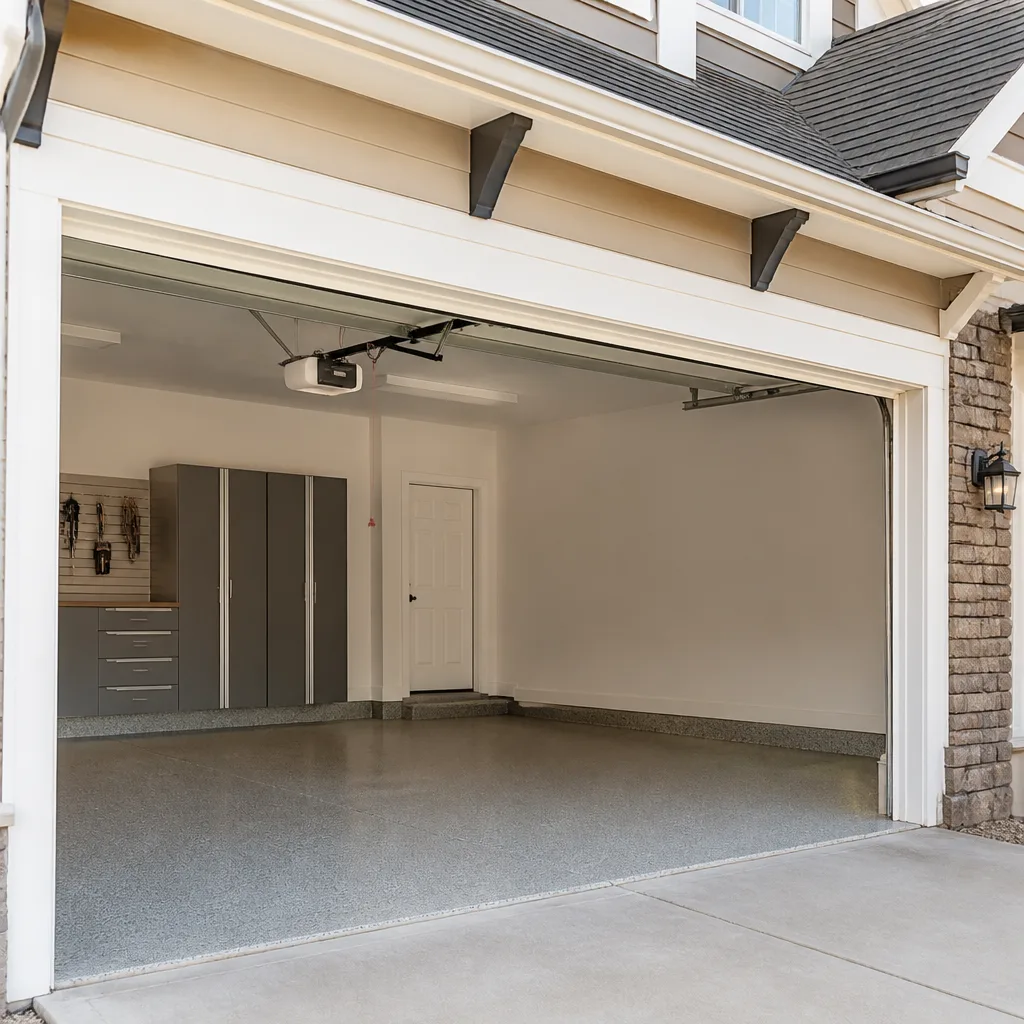 Chamberlain openers
Full 25-point door and opener safety check with every visit - springs, cables, rollers, tracks, and your LiftMaster or Chamberlain opener included
You get a price before we start. It does not change when the pro arrives.
Get your free estimateGarage Door Warning Signs: An Uptown Homeowner’s Reference Guide
A slow-moving garage door is not “just getting old.” In our experience, that sluggishness is usually a specific, diagnosable mechanical condition – worn rollers, a tired spring, a cable starting to fray – that gets worse with every cycle until something gives way under load. Most homeowners wait for the loud bang instead of reading the signals that come first. The door tells you what’s wrong weeks before it fails: the sound it makes, how it sits in the frame, how the opener behaves. This guide maps each symptom to its likely cause, so you can decide what needs a look before a small repair turns into an emergency. We’ll cover noises, visual cues, an uneven door, opener quirks, and the two signs that mean stop using it today. If you live in Uptown, the mix of old detached garages and newer townhome stalls means the same failure points show up in very different hardware.
Quick Answer
The main warning signs of a failing garage door are unusual noises (grinding, popping, scraping, squealing), visible spring or cable damage, an uneven door, jerky or reversing opener behavior, and rollers that look worn or cracked. An uneven door almost always points to a cable or spring problem, not an alignment fix. Two signs mean stop and call a specialist today: a snapped spring or a visibly frayed cable.
Styles & brands we work with
- Raised-panel steel
- Carriage house
- Modern flush
- Full-view glass
- LiftMaster openers
- Chamberlain openers
Table of Contents
- What Each Garage Door Noise Actually Means
- Visual Warning Signs You Can Spot From the Floor
- Why an Uneven Door Is Rarely an Alignment Problem
- How Opener Behavior Maps to Component Failure
- The Two Signs That Mean Stop Using the Door Today
- Uptown-Specific Failure Patterns and What Drives Them
- Common Mistakes to Avoid
- When to Call a Professional
- Frequently Asked Questions
What Each Garage Door Noise Actually Means
Sound is the earliest and most reliable diagnostic tool a garage door gives you. A door that runs quietly for years doesn’t suddenly get loud for no reason. When the noise changes, a component has changed with it. Here’s how we read the four most common sounds, and what each one usually points to.
Grinding
Grinding is metal-on-metal contact, and it almost always comes from the rollers or the tracks. Steel rollers that have lost their bearings, or nylon rollers that have worn through, grind against the track as the door travels. If the grinding is constant and loud, the rollers need replacement. If it’s intermittent, check whether debris or a bent track section is catching the roller as it passes.
Popping
A sharp pop, especially one that happens at the same point in the door’s travel each time, is often a torsion spring issue or a cable jumping its drum. A single loud pop followed by the door refusing to move is the classic sound of a torsion spring breaking. Repeated popping as the door moves points to a cable that’s slipping out of its groove – a problem that gets more dangerous the longer it runs.
Scraping
Scraping is the door itself dragging against something: a misaligned track, a bent panel, or the frame on one side. It’s often paired with an uneven door. Scraping should never be ignored because the friction wears the door’s finish and puts strain on the opener motor every cycle.
Squealing
Squealing is usually a lubrication and bearing issue – dry hinges, worn rollers, or a torsion tube that’s lost its grease. It’s the least urgent of the four, but a persistent squeal is a sign that a component is wearing faster than it should.
If any of these sounds is new and consistent, it’s worth booking a diagnostic. We handle garage door repair across Uptown and can usually tell you what’s wrong from a short visit.
Visual Warning Signs You Can Spot From the Floor
You don’t need to climb a ladder to catch most garage door failures early. Several of the most important warning signs are visible from standing height, if you know what to look for. Here’s what to check, and how to read it precisely.
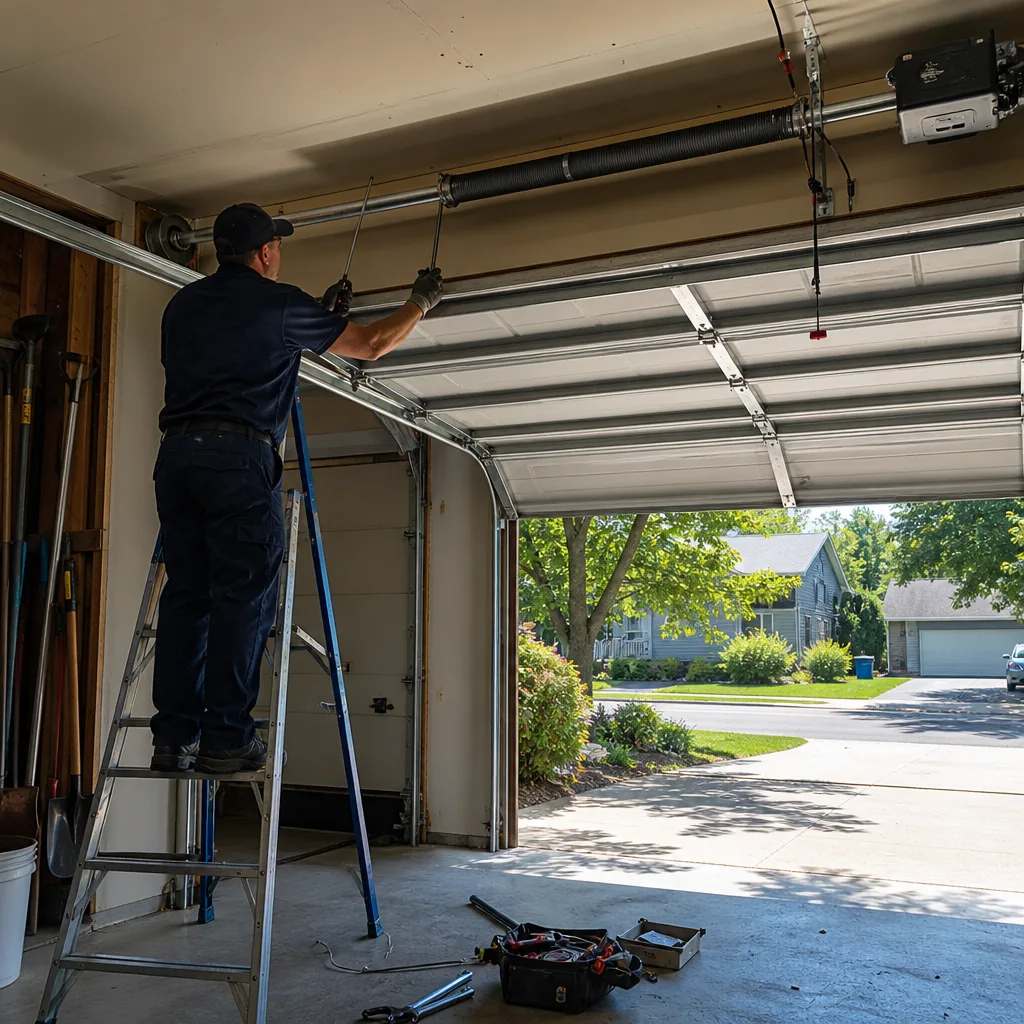
- Springs: Look at the torsion spring above the door (the coiled spring on a horizontal shaft) or the extension springs along the sides. A healthy spring is a tight, even coil. A spring with a visible gap – a section where the coil has separated – has broken. On extension springs, look for a spring that’s stretched longer than its partner on the other side; that’s a sign of fatigue.
- Cables: The cables run from the bottom corners of the door up to the drums. A healthy cable is a tight, smooth braid. Fraying, a birdcage bulge, or a cable that’s come off its drum means it’s failing.
- Rollers: Each roller should be round and seated in the track. A cracked nylon roller, a flattened spot, or a roller that’s wobbling in its stem is worn out.
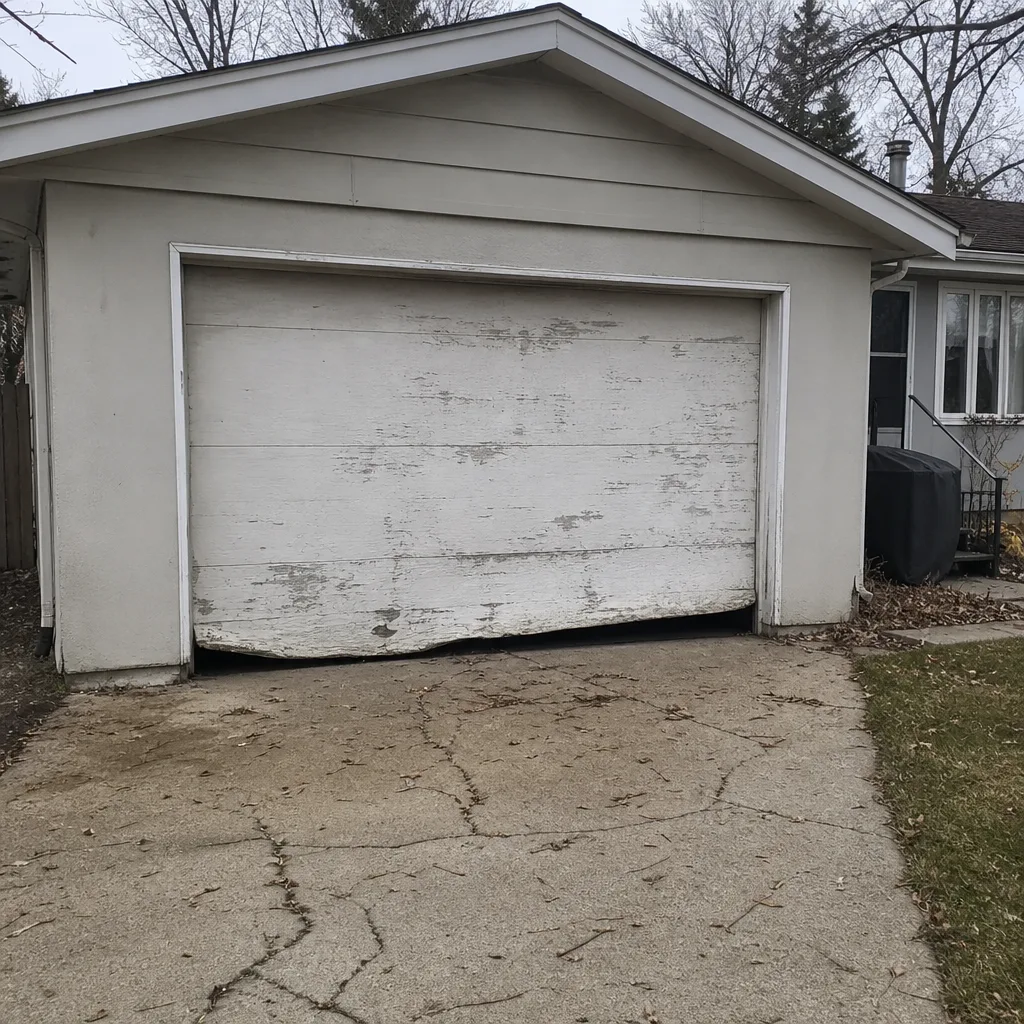
- Panels: Dents, cracks, or a panel that’s visibly bent will throw off the door’s balance and strain the opener.
- Hinges and brackets: Loose hinges, missing bolts, or a bracket that’s pulled away from the panel are structural warning signs.
- Weather seal: A torn or missing bottom seal lets weather in and signals the door isn’t sealing evenly against the floor.
This check takes about two minutes and is worth doing every few months. If anything on the list looks off, note what you saw when you call – a specific description speeds up the diagnosis considerably. On the brands we service most in Uptown – Wayne Dalton, Amarr, Craftsman, and Raynor among them – the failure points are well known, so a clear description of the symptom usually points us straight to the cause.
Why an Uneven Door Is Rarely an Alignment Problem
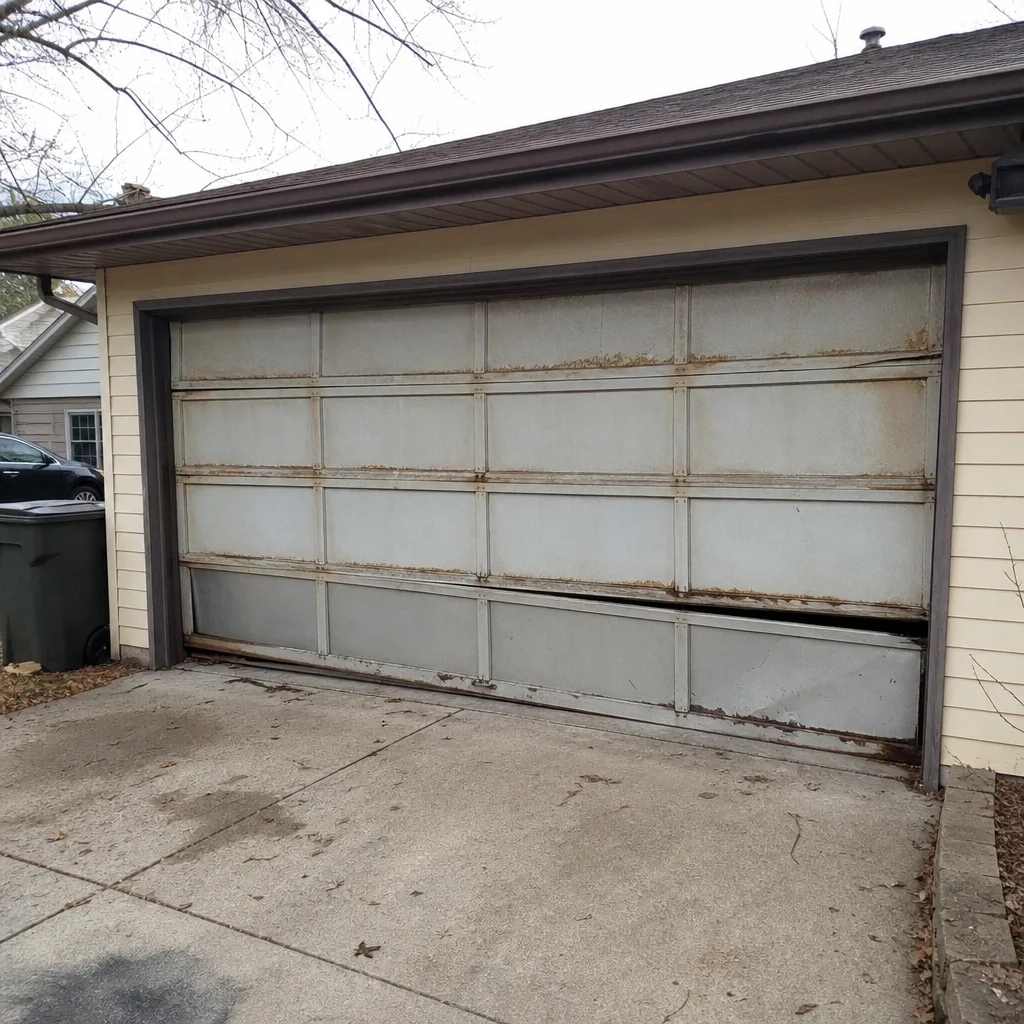
When one side of a garage door sits lower than the other, the instinct is to assume the door is “out of alignment” and needs adjusting. In our experience, that’s almost never the whole story. An uneven door is one of the clearest signals of a cable or spring problem, and it’s the sign most often misread.
Here’s the mechanism. A garage door is balanced by two systems working against each other: the torsion spring (or paired extension springs) and the two cables that connect the door to the drums at the top of the track. When both sides are healthy, the door rises and lowers level. When one side loses tension – a cable that’s stretched, a spring that’s weakened, or a drum that’s slipping – that side travels differently than the other. The result is a door that looks crooked at the top or bottom.
What an uneven door usually points to
- A cable that’s stretched or off its drum – the most common cause of a door that sags on one side.
- A weakened or fatigued spring – on a two-spring torsion setup, one spring doing more work than its partner will tilt the door.
- A worn or damaged drum – if the cable isn’t winding evenly, one side rises faster.
- A bent track on one side – less common, but it will bind the door and mimic an alignment issue.
The trap is that forcing the door to “straighten out” by adjusting the opener or bending the track can make the underlying problem worse. An uneven door is a balance issue, and the balance comes from the cable and spring system. If your door is sitting crooked in Uptown, the right move is a proper diagnosis of the cables and springs, not a quick track adjustment. Call (855) 337-1679 and we’ll take a look.
How Opener Behavior Maps to Component Failure
The opener is the part of the system most homeowners interact with, so its behavior gives the most immediate feedback. The key distinction is whether a symptom points to a door component or to the opener itself. That distinction determines whether you’re looking at a door repair or a repair to garage door opener repair – and mixing them up is a common reason doors get “fixed” repeatedly and still misbehave.
Hesitation before the door moves
If the opener hums or clicks but takes a moment before the door engages, the issue is often in the door, not the opener. A binding track, worn rollers, or a spring that’s lost tension makes the door hard to start, and the opener is doing extra work to overcome the friction. Left unaddressed, this is what eventually burns out the opener motor.
The door reverses or stops partway
Reversal or a mid-travel stop points to the safety sensors or the opener’s force limits. Check that the sensors at the bottom of the track are aligned and clear of obstruction. If they’re clean and the door still reverses, the opener’s travel limits may need adjustment – or a worn component is forcing the door to bind and trigger the safety stop.
Remote lag or intermittent response
If the door responds slowly, or only some of the time, the likely culprits are a weak battery in the remote, a failing wall button, or antenna issues on the opener. On older units, this can also be the first sign the opener’s logic board is failing.
When the opener is near end-of-life
An opener that’s noisy, sluggish, and inconsistent across every function is usually telling you something different: it’s at the end of its service life. Age, not a single broken part, is the issue. That’s when it makes sense to talk about replacing the opener rather than chasing repairs. For a new unit, see our garage door installation work.
The Two Signs That Mean Stop Using the Door Today
Most of what’s in this guide is a “schedule a visit” level of urgency. Two signs are different. These two mean stop using the door immediately and call a specialist today – not tomorrow, not after the weekend. The door is not safe to operate, and every cycle risks injury or a much larger repair.
1. A visible broken spring
A broken torsion spring shows up as a clear gap in the coil, or the coil has unwound and separated into two sections. Broken extension springs are stretched out and hanging. Springs are under high tension even when the door is at rest. They contain stored mechanical energy that can release suddenly. Operating a door with a broken spring – including trying to force it by hand – puts you in the path of that stored energy, and the door itself will crash down under its full weight when the opener releases. This is not a DIY job. We handle Garage Door Repair Uptown spring work specifically because it’s one of the most hazardous repairs in the trade, and it calls for trained hands and the right tools.
2. A frayed, kinked, or off-drum cable
A cable that’s visibly fraying, has a birdcage bulge, or has slipped off its drum is in the process of failing. When a cable gives way under load, the door drops on that side. It can warp panels, tear out the bottom bracket, and send cable whipping through the garage. Do not operate the door, and do not try to work it back onto the drum by hand. The tension in the cable system is substantial and unforgiving. Call (855) 337-1679 – we respond to emergencies like stuck doors and dropped cables because these can’t wait.
If you’re not sure whether a sign is one of these two, err on the side of stopping and getting a professional look. That decision costs a diagnostic visit. The alternative can cost a lot more.
Uptown-Specific Failure Patterns and What Drives Them
Garage door failures follow the way homes are built and used, and Uptown puts its own spin on the usual patterns. Uptown’s mix of older detached garages, alley-access stalls, and newer townhome garages means the same symptoms show up on very different hardware, and knowing which pattern applies to your building helps you read the signs correctly.
- Older detached garages: Many of the single-car garages in Uptown were built for lighter doors and are now paired with heavier insulated replacements. That mismatch wears springs and openers faster than the door was rated for. If your door was upgraded but the opener wasn’t, expect the opener to fail first.
- Alley-access stalls: Tighter clearances mean doors in alley-access garages get bumped more often and tracks get knocked out of line. Rubbing and scraping on these doors tends to be a track and roller problem, not a spring problem.
- Townhome garages: Shared-wall townhome garages often have tighter framing and lower ceilings, which limits track clearance and makes the door more sensitive to any binding. Consistent reversing on a townhome door is often a sensor-or-binding issue, not an opener failure.
- Cold-season cycling: Uptown winters put doors through a lot of freeze-thaw cycles. Cold makes metal more brittle and can stiffen lubricants, so doors that ran fine in the fall want attention in the first cold stretch. Warning signs often show up then.
- Dense residential streets: In tighter neighborhoods, garage doors are used more heavily as the main entry, and cycle count is the single biggest driver of wear. A door that gets used a dozen times a day ages roughly twice as fast as one that gets used twice.
We service Uptown garages across all of these. If you’re not sure which pattern fits your door, calling for a look is the simplest way to find out. We’re the specialist when it comes to garage door repair in this area, and the brands we know best – LiftMaster, Chamberlain, Genie, Clopay, Amarr, Wayne Dalton, Craftsman, and Raynor – cover the hardware in most Uptown garages.
Common Mistakes to Avoid
- Ignoring the first sound change. A door that’s quiet for years and suddenly starts grinding is telling you a component has failed. Waiting for it to “settle down” only lets the wear continue on a part that’s already compromised.
- Forcing an uneven door straight. Bending the track or adjusting the opener to compensate for a crooked door hides the real issue – a cable or spring problem – and can make the failure worse. Diagnose the balance system first.
- DIY spring work. A torsion or extension spring stores serious energy. Adjusting or removing one by hand is one of the most dangerous things a homeowner can do around a garage door.
- Lubricating everything. Grease on the wrong parts (like a torsion spring that shouldn’t be greased, or roller stems) can attract grit and speed up wear. Know which parts get lubrication and which don’t.
- Confusing opener symptoms with door symptoms. A reversing or hesitating door is often a binding issue, not a dead opener. Replacing the opener when the door is binding wastes money and repeats the problem.
- Waiting for an emergency. A small spring or cable repair done on your schedule costs far less than an emergency call on a dropped door. The signs in this guide are your early notice; use them.
- Not knowing your brand. When you call for repair, tell the technician what’s in your garage. The brands in Uptown doors vary, and being factory-familiar with the specific brand and opener cuts diagnostic time considerably.
When to Call a Professional
Call a professional any time the signs point to a spring, a cable, or an unbalanced door – those are the repairs where a wrong move can hurt you. Also call if the door scrapes, drags, or reverses more than once, or if the opener hesitates, hums without moving, or won’t complete a full cycle. If you’ve spotted a broken spring or a frayed cable, stop using the door and call today. The rest of the list – squealing, worn rollers, a new rattle – is what we’d call a “get it looked at soon” item; it’s the kind of thing that’s simple to fix on your schedule and more expensive to fix after it becomes an emergency. We handle all of it under one garage door specialist, so you’re not handed off mid-problem. Garage Door Repair Uptown offers free estimates in Uptown – call (855) 337-1679 to get a diagnosis and a price before anything starts.
Frequently Asked Questions
The most common early warning sign is a change in the door’s sound – grinding, popping, scraping, or squealing where it used to be quiet. Sound changes usually point to worn rollers, a failing spring, or a cable that’s slipping. Call (855) 337-1679 if the noise is new and consistent; a quick diagnostic catches it before it fails.
An uneven door usually means a cable or spring problem, not an alignment issue. One side is losing tension, so it travels differently than the other. It’s serious enough to get checked – forcing the door straight hides the real cause. We can diagnose it quickly in Uptown.
No, and we don’t recommend trying. Springs hold stored mechanical energy under high tension, and releasing it incorrectly can cause serious injury. This is not a DIY repair. Spring work is a core service for us precisely because it calls for trained hands and the right tools.
If hesitation or reversal maps to a door issue – a binding track, worn rollers, a weak spring – the opener is usually fine and needs the door fixed. If the opener is noisy and inconsistent across every function, it may be at end-of-life. We diagnose opener repair versus replacement when we look at the door.
A visibly broken spring and a frayed, kinked, or off-drum cable. Either one means the door is not safe to operate and should not be used until a professional has fixed it. Call today; these are emergency-level warnings.
We service and repair equipment from LiftMaster, Chamberlain, Genie, Clopay, Amarr, Wayne Dalton, Craftsman, and Raynor. Being familiar with the brand in your garage means a faster diagnosis and the right parts. Call (855) 337-1679 to book a visit.
The Bottom Line
A garage door that’s starting to fail tells you in advance. The cause is a specific mechanical condition, not just age, and the signs come in a clear sequence: sound, then visible wear, then balance and opener behavior. An uneven door is a cable or spring signal, not an alignment problem. Two signs – a broken spring and a frayed cable – mean stop using the door today. The rest are your early notice to get a look before the fix grows. Read the signs, act on the first one, and you’ll keep a simple repair from turning into an emergency.
Questions about your garage door? Call Garage Door Repair Uptown at (855) 337-1679 for a free estimate.
Written by the team at Garage Door Repair Uptown.
See the difference
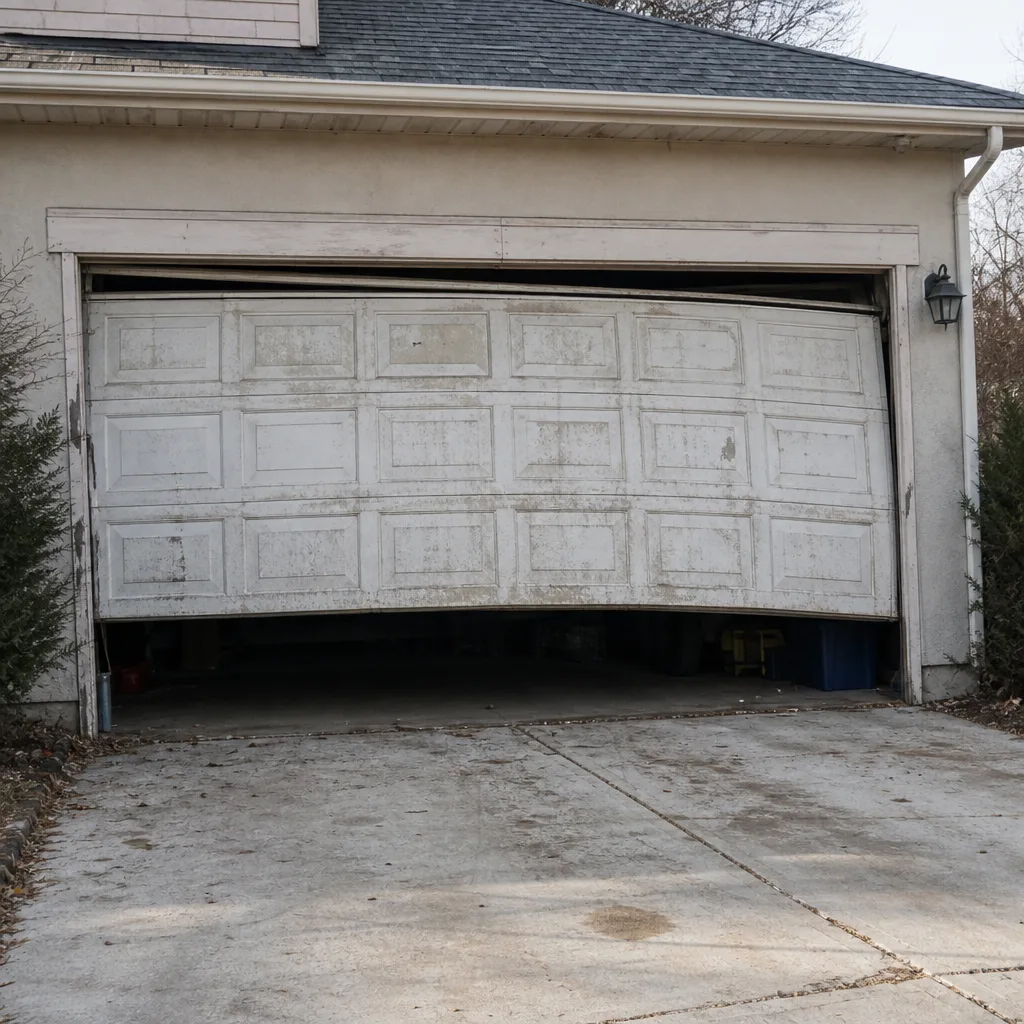 Before
 After
 Before
 After
 Before
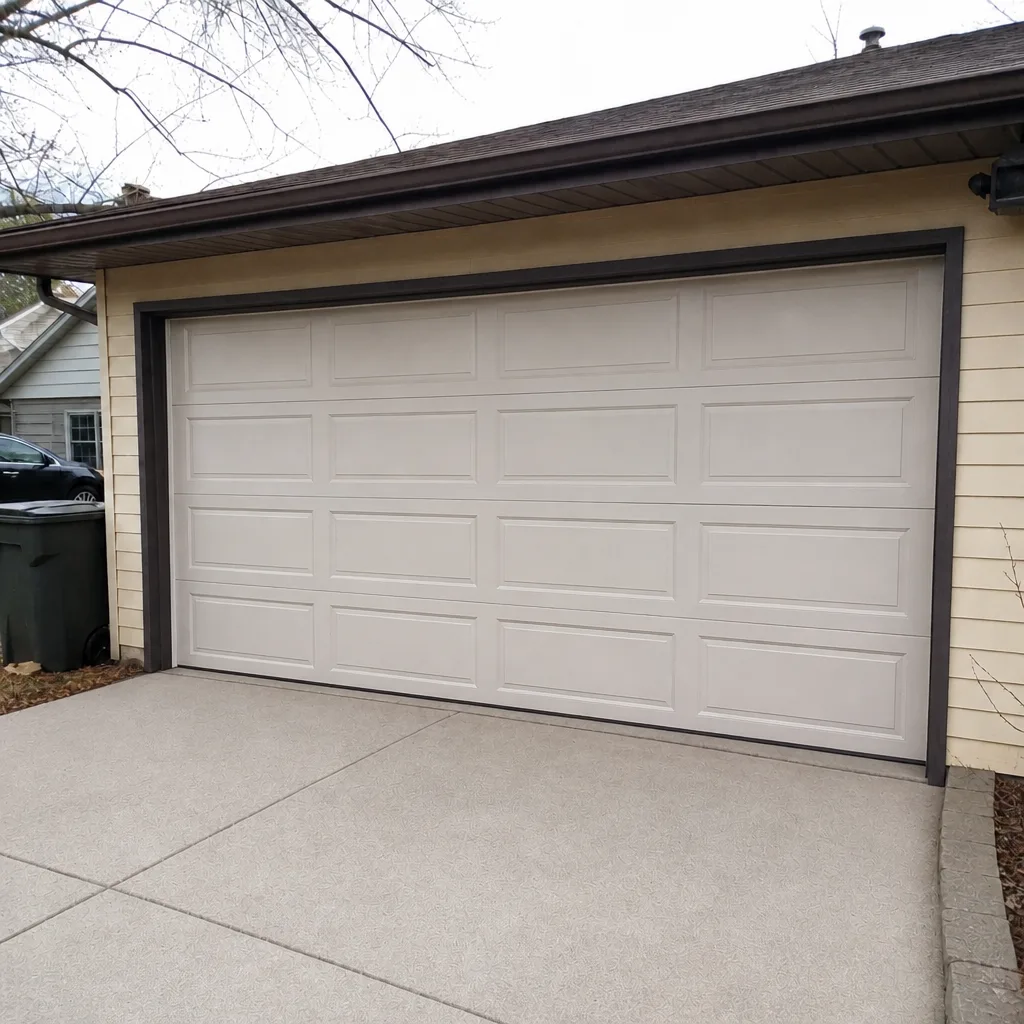 After